Achieving Perfect Synchronization in Audio Production: Tips and Techniques
PP
Understanding the Importance of Synchronization
In audio production, achieving perfect synchronization is crucial for creating a seamless and immersive listening experience. Whether you're working on a film soundtrack, a podcast, or a music track, aligning your audio elements precisely can make a significant difference in the final product. Synchronization ensures that all the audio components work together harmoniously, enhancing the overall quality.
Synchronization issues can lead to noticeable discrepancies, such as lip-sync errors in videos or misaligned beats in music. These can distract or disengage listeners, undermining the production's impact. Therefore, understanding the fundamentals of synchronization is essential for any audio producer.
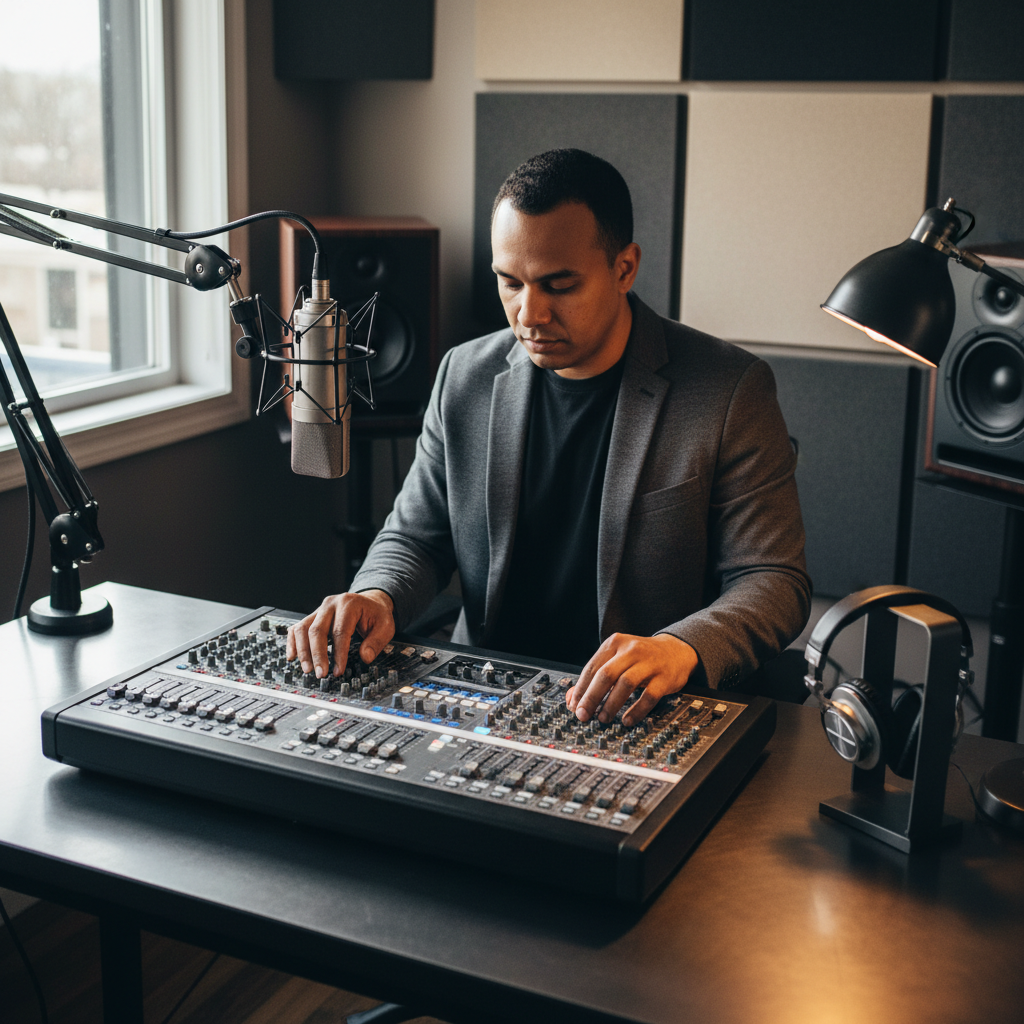
Techniques for Achieving Synchronization
Use of Click Tracks
A click track is a valuable tool for maintaining consistent timing throughout a recording session. By providing a steady tempo reference, it helps musicians and vocalists stay in sync with each other. This technique is particularly useful in multi-track recordings, where different elements are recorded separately. Incorporating a click track can significantly improve synchronization.
Time-Stretching and Pitch-Shifting
These techniques allow producers to adjust the timing and pitch of audio elements without affecting their quality. Time-stretching is used to align audio tracks that are slightly out of sync, while pitch-shifting can correct minor tuning issues. Both techniques are essential for fine-tuning your audio to achieve perfect synchronization.
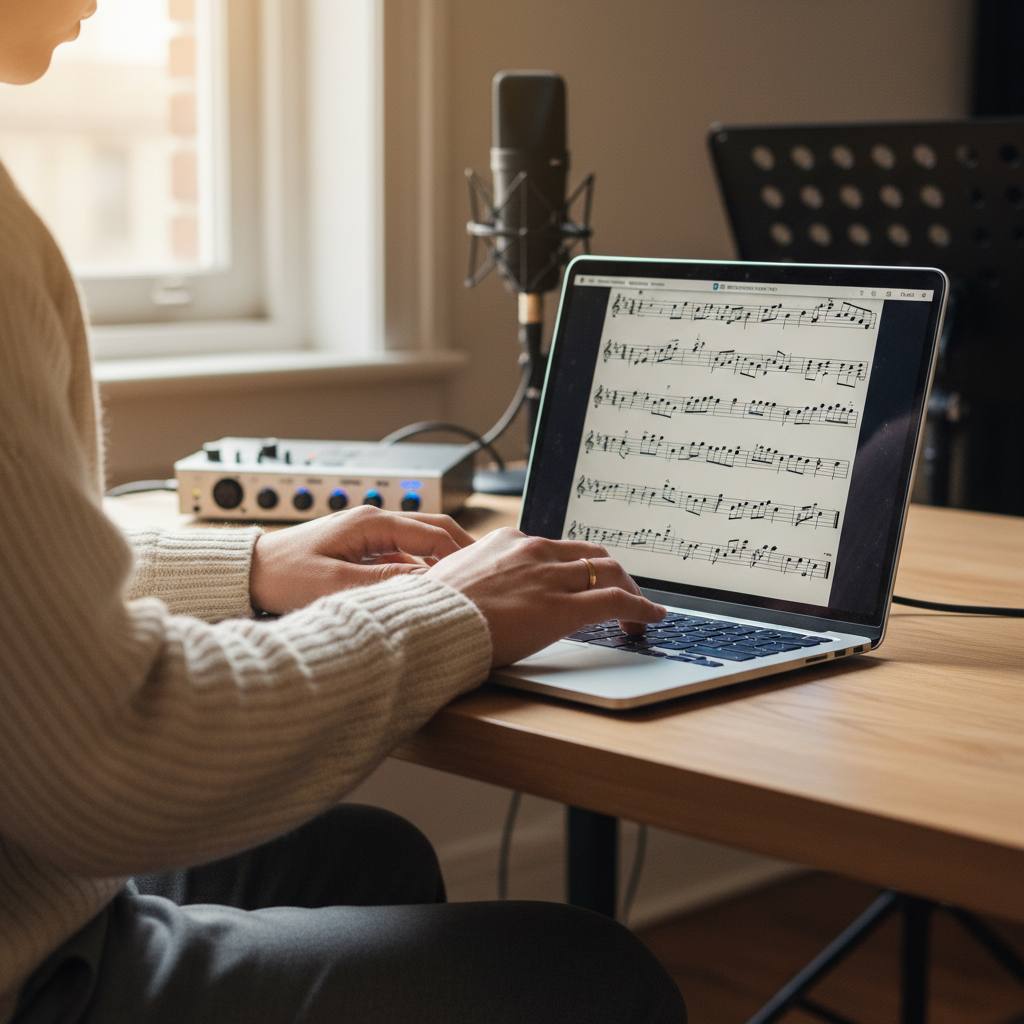
Utilizing Software Tools
Digital Audio Workstations (DAWs)
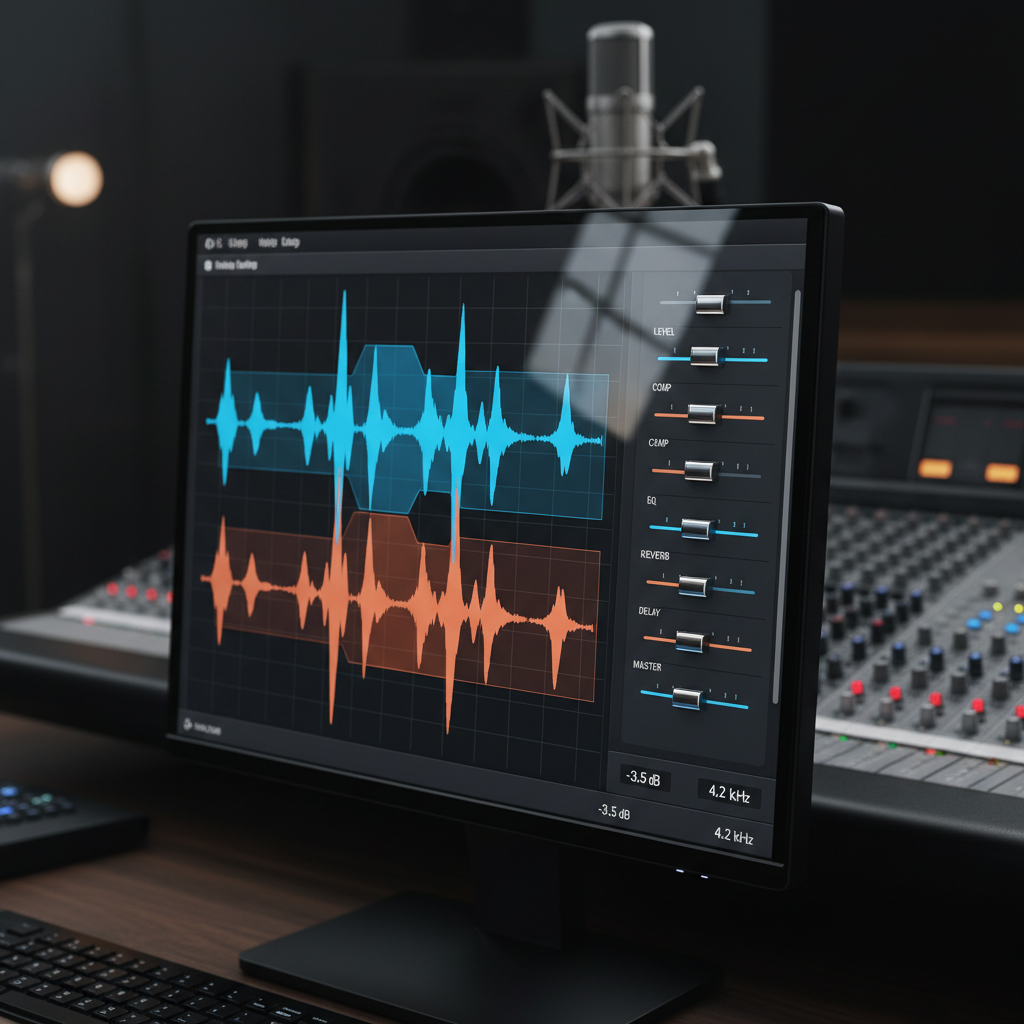
Modern DAWs come equipped with advanced features that aid in synchronization. Tools like quantization align notes to the nearest beat, ensuring precise timing. Additionally, DAWs often include visual waveforms that help producers visually align different audio elements. Leveraging these tools can greatly enhance your ability to synchronize audio tracks effectively.
Plugins and Automation
There are various plugins available that facilitate synchronization by automating certain processes. For instance, some plugins analyze and adjust the phase alignment between multiple audio tracks, ensuring coherence. Automation features in DAWs also allow producers to create dynamic changes that maintain synchronization throughout the production.
Practical Tips for Better Synchronization
Plan and Organize
Before starting a project, it's crucial to plan and organize your audio tracks effectively. Labeling tracks clearly and grouping similar elements can save time and prevent confusion during the editing process. This organization helps maintain synchronization as you work on complex projects with multiple audio components.
Regularly Monitor and Adjust
Throughout the production process, regularly monitor your audio to ensure synchronization is maintained. Listening critically and making small adjustments as needed can prevent issues from escalating. By staying attentive and responsive to any discrepancies, you can achieve a more polished final product.
Achieving perfect synchronization in audio production is a blend of art and science. By utilizing the right tools and techniques, and maintaining a meticulous approach, you can create productions that captivate and engage your audience with precision and clarity.