Common Misconceptions About Audio Mastering Debunked
PP
Understanding Audio Mastering
Audio mastering is a crucial step in music production that often remains shrouded in mystery. Many misconceptions surround this process, leading to confusion among artists and producers alike. This post aims to debunk some of the most common myths about audio mastering.

Myth 1: Mastering Can Fix a Bad Mix
One of the most prevalent misconceptions is that mastering can salvage a poorly mixed track. While mastering can enhance and polish a mix, it cannot correct fundamental issues present in the recording. A strong mix is essential for effective mastering.
Mastering engineers work with the final mix, applying subtle adjustments to achieve balance and cohesion. If the mix is flawed, these adjustments may not produce the desired outcome.
Myth 2: Mastering Is Just About Making Tracks Loud
Another common belief is that mastering is solely about increasing the volume of a track. While loudness is a component of mastering, it is not the entire focus. The primary goal is to ensure that the track sounds consistent across various playback systems.
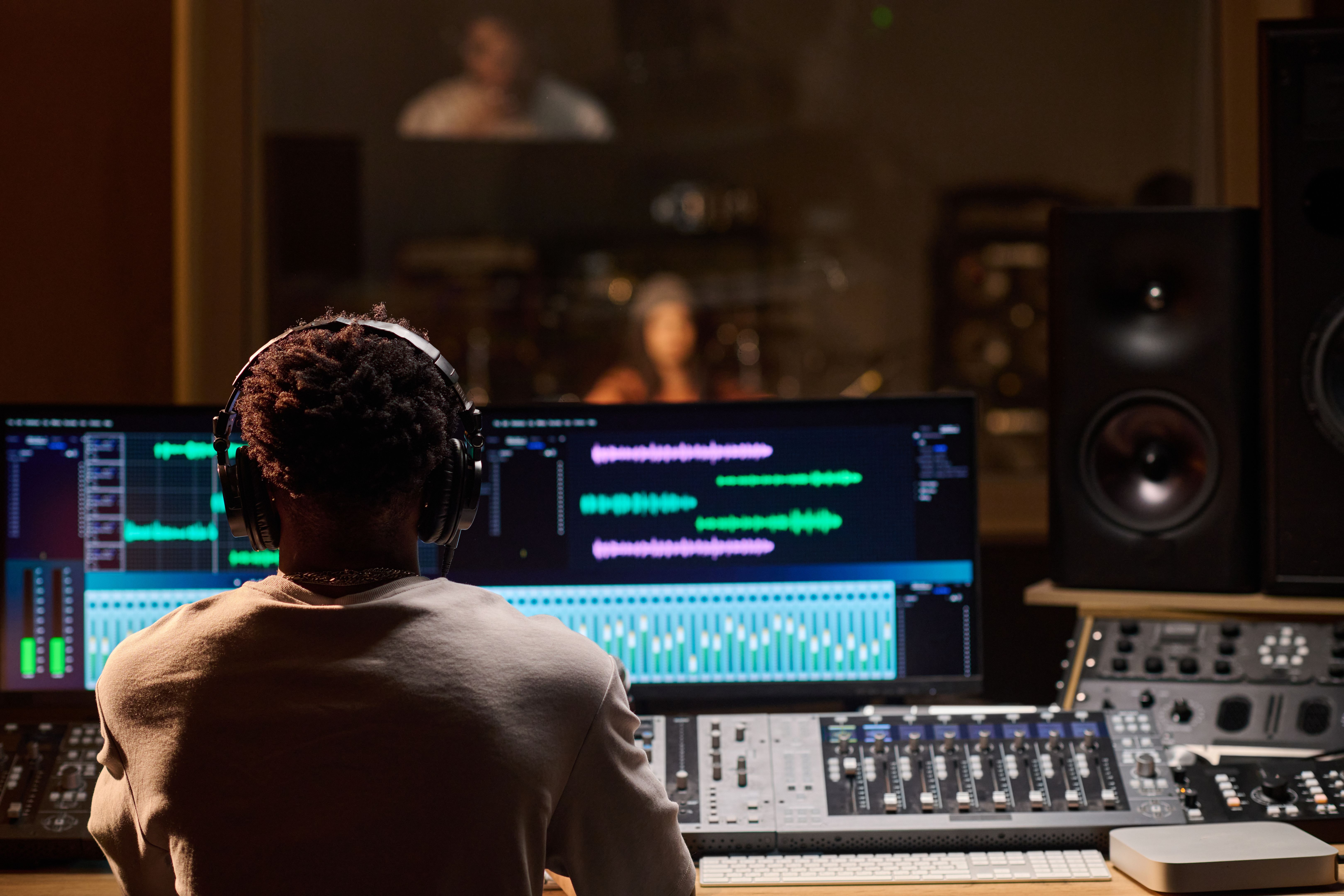
Mastering involves equalization, compression, and other techniques to enhance the overall sound quality. A well-mastered track maintains dynamic range and clarity, rather than just being loud.
Myth 3: Anyone Can Master with Plugins
With the availability of digital audio workstations and plugins, some believe that anyone can master a track at home. While technology has made tools more accessible, mastering requires a trained ear and experience to achieve professional results.
A professional mastering engineer brings years of expertise to the table, understanding how to make precise adjustments that complement the artist's vision. Simply having access to software does not replace this expertise.

Myth 4: Mastering Is an Outdated Process
In the digital age, some argue that mastering is no longer necessary. However, mastering remains a vital part of the production process. It ensures that tracks meet industry standards and sound their best across all platforms.
Mastering adapts to changes in technology, evolving with trends such as streaming services and high-resolution audio. It remains as relevant today as it was in the analog era.
The Importance of Professional Mastering
Understanding the true purpose of mastering helps artists make informed decisions about their music. By debunking these misconceptions, musicians can better appreciate the value that professional mastering brings to their work.
Ultimately, mastering is about enhancing the artist's vision and ensuring that their music resonates with audiences worldwide. Investing in professional mastering is an investment in the quality and success of your music.