Ensuring Quality Control in Audio Post-Production: Best Practices
PP
Introduction to Quality Control in Audio Post-Production
Ensuring quality control in audio post-production is crucial for delivering a polished and professional sound. Whether working on music tracks, films, or podcasts, maintaining high standards can make a significant difference in the final output. Quality control involves a series of checks and balances that ensure every element meets the desired standards before release.
In this blog post, we'll explore best practices for maintaining quality control in audio post-production, helping you deliver exceptional audio content every time.
Setting Clear Standards
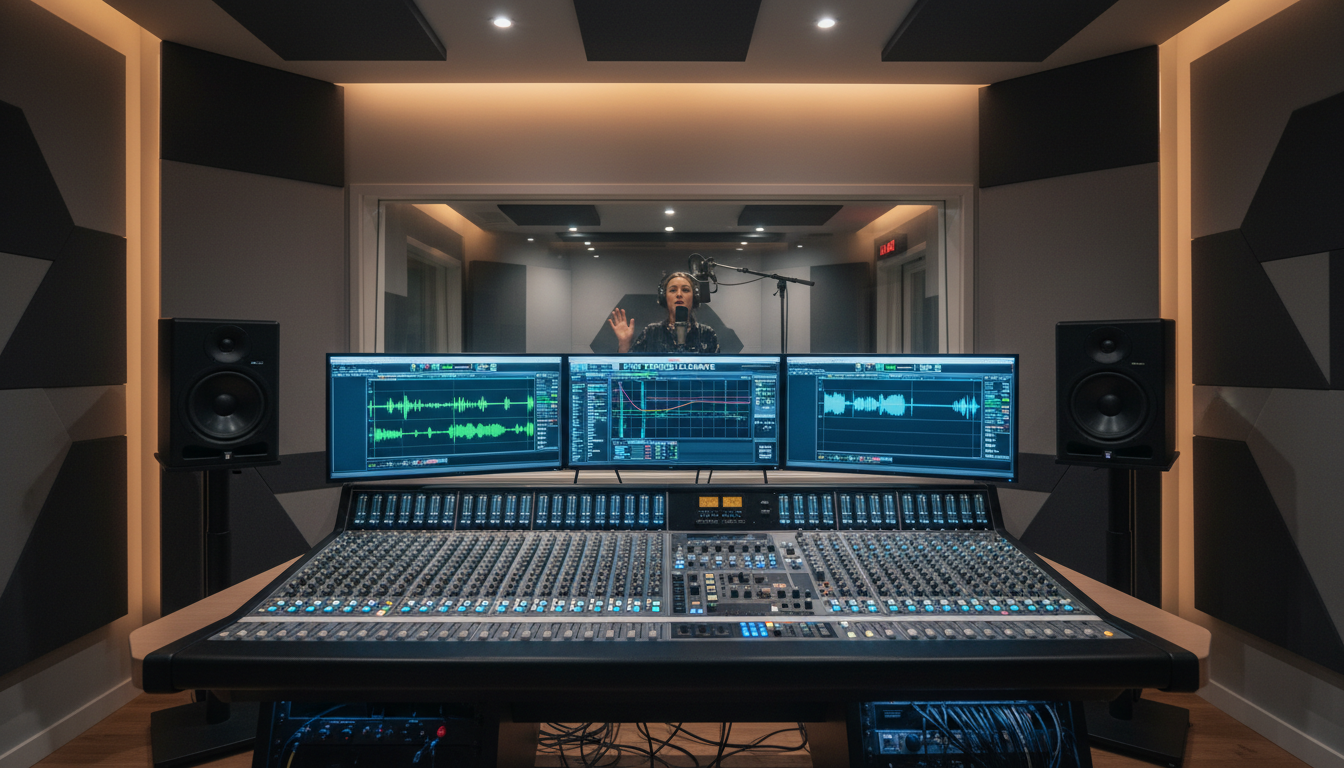
The foundation of quality control lies in setting clear standards before beginning the post-production process. This includes defining the desired audio quality, understanding the project's requirements, and setting benchmarks for sound clarity, balance, and dynamics. By establishing these criteria, you create a roadmap that guides the entire production process.
Regularly reviewing these standards with your team ensures everyone is aligned and working towards the same goals, reducing the risk of errors and inconsistencies.
Creating a Quality Control Checklist
A quality control checklist is an essential tool for any audio post-production team. This checklist should cover all aspects of the production, including:
- Audio levels and balance
- Noise reduction and sound clarity
- Consistency in sound effects and music
- Synchronization with visual elements (if applicable)

Regular Listening Sessions
Regular listening sessions are vital for maintaining quality control. These sessions allow producers and sound engineers to review the audio content critically and identify any issues or areas for improvement. Listening in different environments and on various devices can also help ensure the audio sounds great everywhere.
Encourage feedback from team members during these sessions to gain diverse perspectives and catch potential problems that may have been overlooked.
Utilizing Advanced Technology
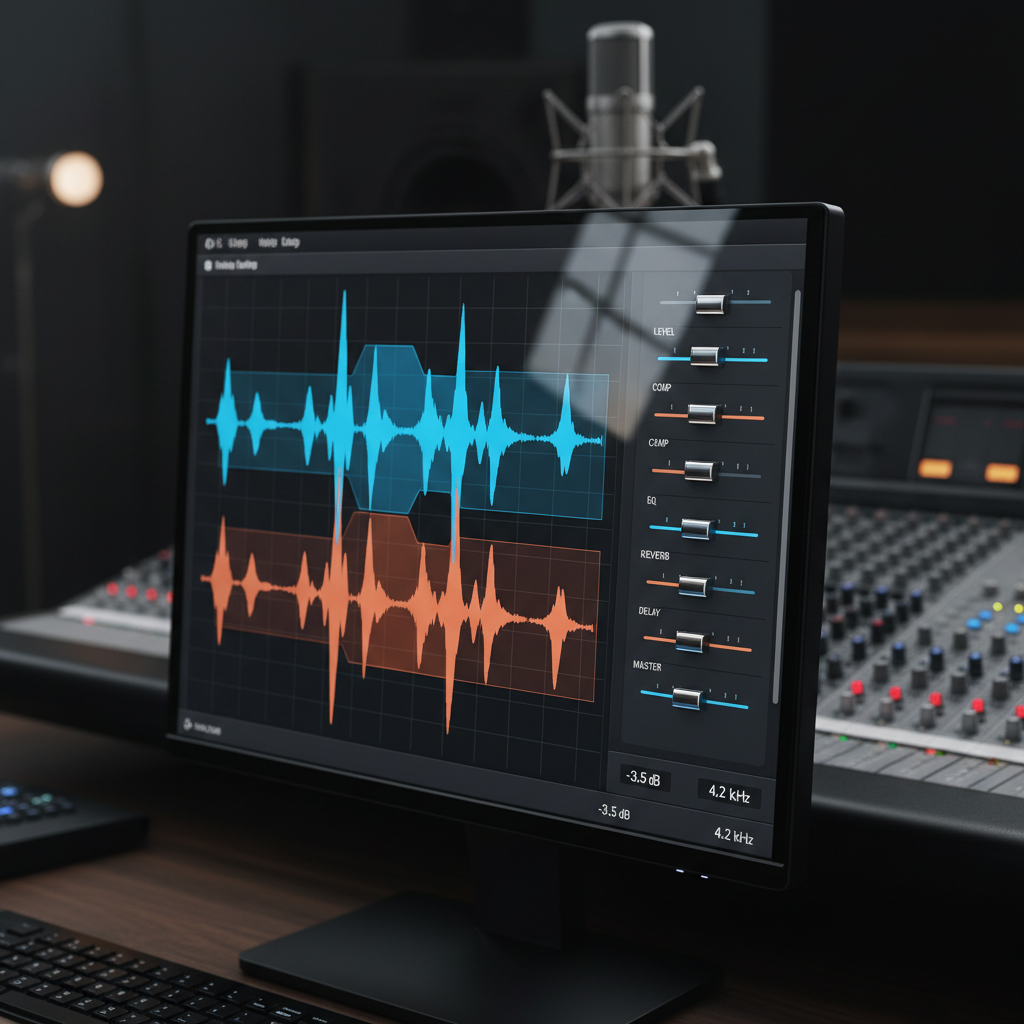
Technology plays a significant role in quality control. Advanced audio software and tools can enhance the quality control process by automating repetitive tasks, identifying inconsistencies, and offering precise editing capabilities. Leveraging these tools can save time and improve the accuracy of your work.
Final Review and Feedback
The final stage of quality control involves a thorough review of the completed audio project. This step ensures all elements meet the predetermined standards and are ready for release. It's crucial to involve multiple team members in this process to provide fresh ears and perspectives.
Gathering feedback from external sources, such as test audiences, can also provide valuable insights and highlight any potential improvements needed before the final release.
Continuous Improvement
Quality control is not a one-time process but an ongoing commitment to excellence. After each project, evaluate what worked well and what could be improved. Documenting these insights helps refine future projects and enhances the overall quality of your audio productions.
By prioritizing quality control, you ensure that every audio project reflects professionalism and dedication to excellence.