Essential Guide to Synchronization in Film and Series Production
PP
Understanding Synchronization in Film and Series Production
Synchronization is a pivotal aspect of film and series production, ensuring that audio and visual elements align perfectly to create a seamless viewing experience. Whether it's matching dialogue with lip movements or timing sound effects to on-screen actions, synchronization plays a crucial role in storytelling.
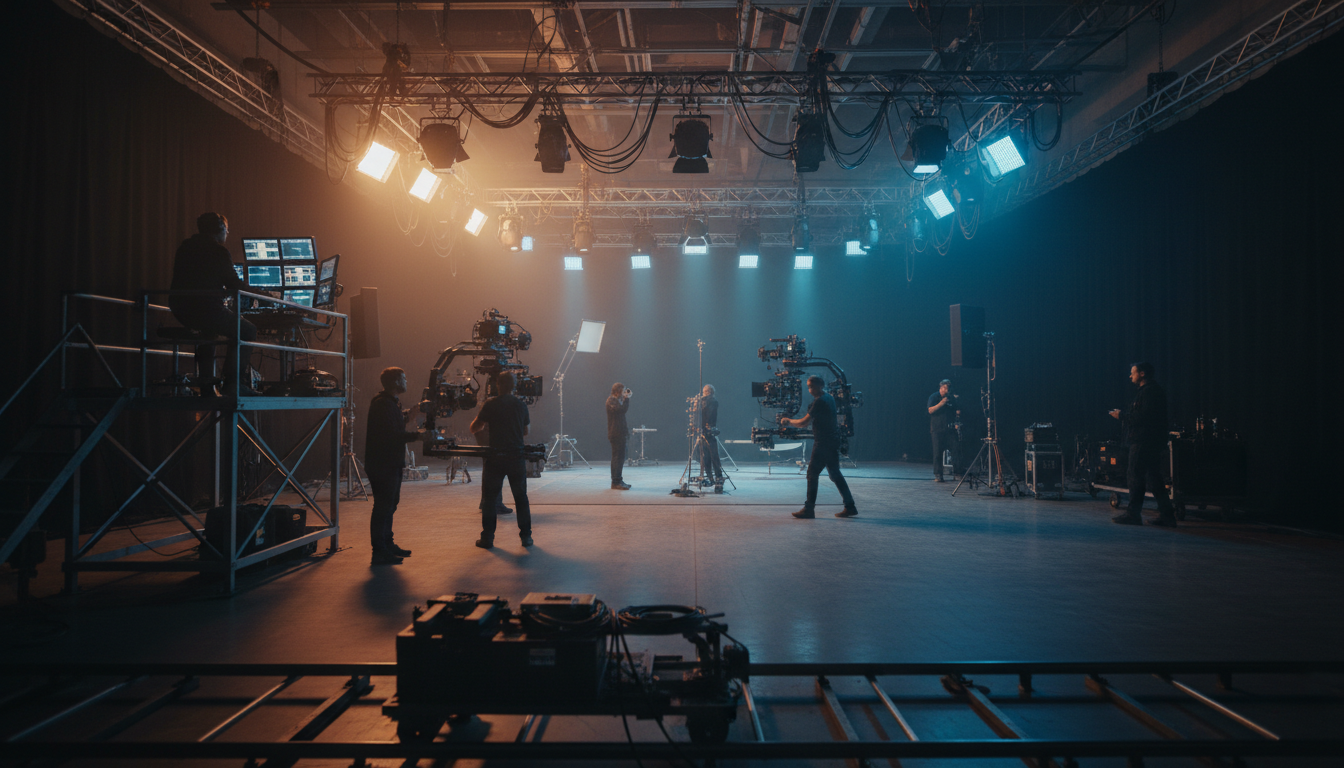
The Importance of Syncing Audio and Visuals
In any film or series, the synchronization of audio and visual components is essential for maintaining viewer engagement. When these elements are out of sync, it can disrupt the narrative flow and distract the audience. Proper synchronization helps in delivering the intended emotional impact and clarity in storytelling.
One of the most common synchronization challenges is aligning dialogue with actors' lip movements. This task requires precision and attention to detail, often involving the use of advanced software and meticulous editing techniques.
Techniques and Tools for Synchronization
Several techniques are utilized to achieve synchronization in film production. One popular method is using a clapperboard at the start of a scene, which provides a visual and audio reference point for editors. In post-production, software tools like Avid Pro Tools and Adobe Premiere Pro are employed to fine-tune synchronization.
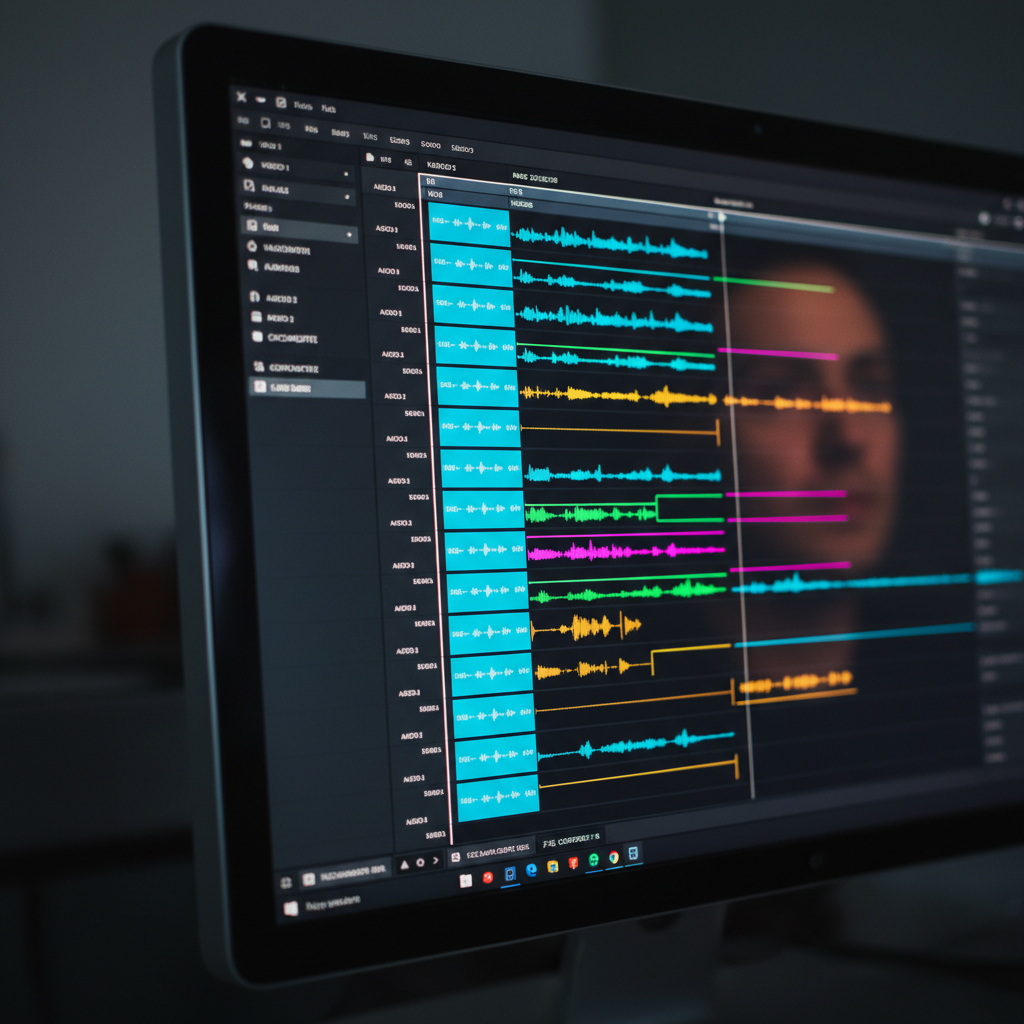
Challenges in Synchronization
While technology has made synchronization more manageable, it still presents challenges. Environmental noises, technical glitches, and variations in recording equipment can all impact the synchronization process. Editors must be vigilant and creative in overcoming these hurdles to ensure a polished final product.
Moreover, the increasing use of special effects and CGI in modern productions adds another layer of complexity. These elements require precise timing and integration to maintain realism and cohesiveness.
Innovations in Synchronization Technology
Recent advancements in technology have revolutionized synchronization processes. Automated dialogue replacement (ADR) and machine learning algorithms are now being used to streamline synchronization tasks, reducing the time and effort required in post-production.
Practical Tips for Filmmakers
For filmmakers looking to improve synchronization in their projects, attention to detail during both the filming and editing stages is crucial. Here are some practical tips:
- Use high-quality recording equipment to minimize discrepancies.
- Employ a skilled sound editor to handle complex synchronization tasks.
- Regularly review synchronized footage to catch errors early.
By following these guidelines, filmmakers can enhance the overall quality and professionalism of their productions.
The Future of Synchronization
As technology continues to evolve, the future of synchronization in film and series production looks promising. Innovations such as virtual reality and augmented reality are pushing the boundaries of traditional synchronization, offering new opportunities for immersive storytelling.
Ultimately, the art of synchronization will remain a cornerstone of film and series production, ensuring that audiences continue to enjoy captivating and cohesive narratives.