How AI is Revolutionizing Dialogue Adaptation in Films
PP
The Rise of AI in Dialogue Adaptation
In recent years, artificial intelligence has made remarkable strides in the film industry, particularly in the realm of dialogue adaptation. This technology is reshaping how filmmakers approach scriptwriting, voiceovers, and translations, offering new possibilities for creating seamless viewer experiences. With AI, dialogues can be adapted more efficiently, ensuring that films resonate with diverse audiences worldwide.
AI-driven tools are now capable of analyzing scripts, identifying cultural nuances, and suggesting modifications to better suit target audiences. This capability is especially crucial in a globalized market where films often need to appeal to viewers from different cultural backgrounds. By understanding the subtle differences in language and humor, AI ensures that the essence of the dialogue remains intact, no matter the audience.

Improving Dubbing and Subtitling
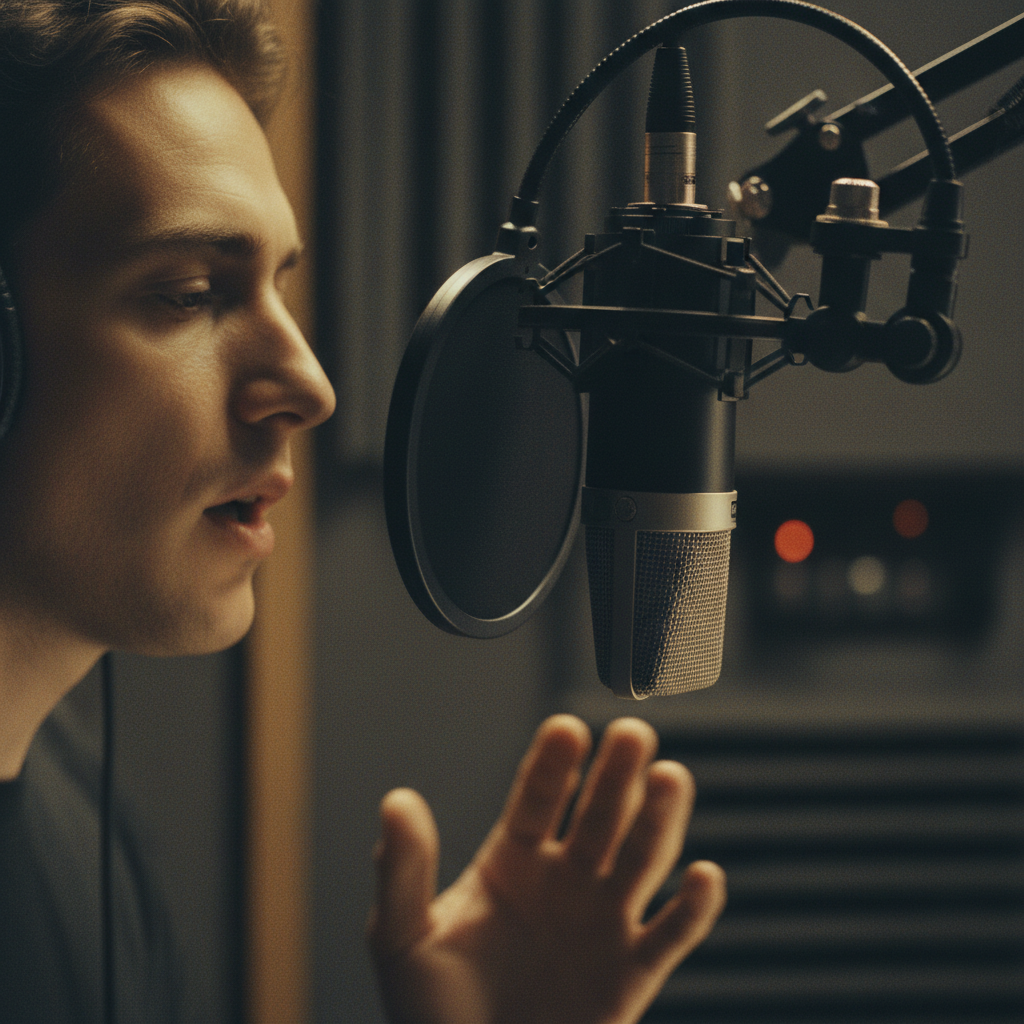
One of the most significant impacts of AI in dialogue adaptation is in the areas of dubbing and subtitling. Traditional methods of dubbing can be time-consuming and costly. However, AI-powered systems can now automate these processes, reducing both time and expense while maintaining high quality. These systems can match voice tones and inflections, creating a more natural and engaging experience for viewers.
For subtitling, AI algorithms can quickly translate and adapt dialogues, ensuring accuracy and cultural relevance. This is particularly important when dealing with idiomatic expressions or jokes that may not have direct translations. By providing context-aware translations, AI helps preserve the original intent and humor of the dialogue.
Enhancing Scriptwriting with AI
AI is also revolutionizing the scriptwriting process. By analyzing existing scripts and audience feedback, AI can assist writers in crafting dialogues that are more engaging and effective. This technology offers suggestions for improving narrative flow, character development, and overall storytelling. Writers can leverage these insights to create scripts that resonate more deeply with audiences.
Moreover, AI tools can help identify potential issues in scripts, such as plot holes or inconsistent character behaviors. By addressing these problems early in the development process, filmmakers can save time and resources, ensuring a smoother production phase.
The Future of AI in Film Dialogue
As AI technology continues to advance, its potential applications in film dialogue adaptation are limitless. Future developments may include real-time dialogue adaptation, allowing films to be tailored to specific audience preferences instantaneously. This could lead to personalized viewing experiences, where dialogues are adjusted based on viewer demographics and tastes.
Furthermore, AI could facilitate more inclusive storytelling by providing tools that help writers and directors create authentic representations of diverse cultures and communities. This would not only enhance the authenticity of films but also broaden their appeal to global audiences.
Conclusion
AI is undeniably transforming the way dialogue is adapted in films, offering innovative solutions that improve efficiency, quality, and audience engagement. As the technology continues to evolve, it holds the promise of even greater advancements in the film industry, making storytelling more accessible and inclusive for everyone. Embracing these innovations will undoubtedly lead to more captivating films that transcend cultural and linguistic barriers.