How AI is Revolutionizing Film Localization
PP
The Role of AI in Film Localization
The film industry is experiencing a transformative shift with the integration of AI technologies, particularly in the realm of film localization. Localization, which involves adapting content for different languages and cultures, is crucial for reaching global audiences. AI is playing a pivotal role in making this process faster, more efficient, and more precise.
Traditionally, film localization required a significant amount of manual labor, from translation to dubbing and subtitling. This process was not only time-consuming but also prone to human error. With AI, these tasks are becoming more streamlined, allowing for a quicker turnaround and higher quality outputs.
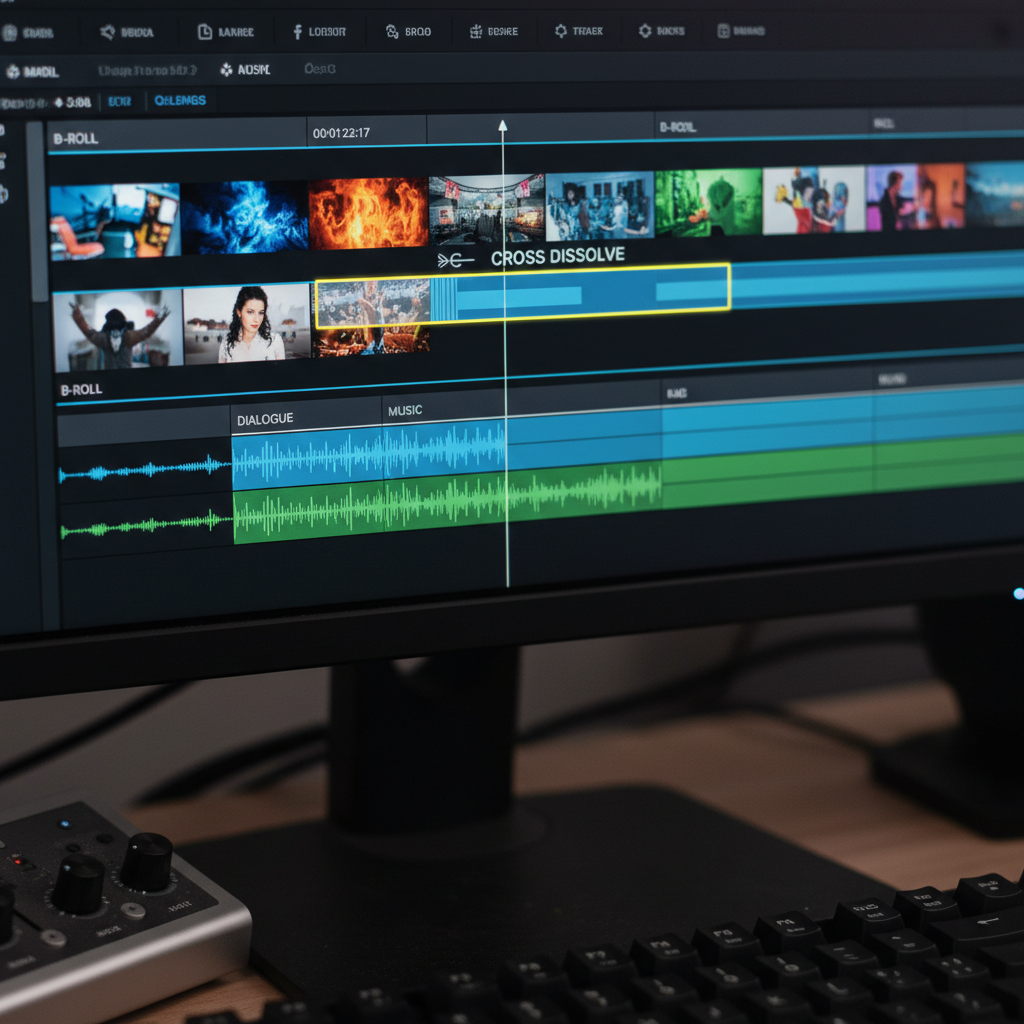
AI-Powered Translation and Subtitling
One of the most significant contributions of AI in film localization is in the field of translation and subtitling. AI algorithms are now capable of providing translations that are contextually accurate and culturally relevant. Machine translation models, such as neural networks, can analyze vast amounts of data to understand language nuances better than ever before.
Subtitling has also benefited from AI advancements. Automated subtitling tools use speech recognition technology to transcribe dialogue swiftly and accurately. These tools can handle multiple languages, ensuring that subtitles meet the linguistic and cultural expectations of diverse audiences.

Enhancing Dubbing with AI
Dubbing, the process of replacing dialogue in a film with another language, has traditionally been a labor-intensive task. AI is revolutionizing this aspect by providing voice synthesis technology that can mimic actors' voices in different languages. This not only saves time but also maintains the original performance's emotional impact.
AI-driven voice cloning and synthesis tools can create realistic voiceovers that match the tone and style of the original actors. This technology is particularly beneficial for animated films, where character consistency is crucial.
Improving Cultural Adaptation
Localization is not just about language; it's also about cultural adaptation. AI tools can analyze cultural references within a film and suggest modifications to make them more relatable to specific audiences. This includes altering visual elements, modifying jokes, or adjusting content to align with cultural norms.

By leveraging AI, filmmakers can ensure that their content resonates with audiences worldwide, enhancing viewer engagement and satisfaction. This cultural sensitivity is vital for films aiming to achieve global success.
The Future of Film Localization with AI
The future of film localization is bright, with AI continuing to evolve and improve. As AI technology advances, we can expect even more sophisticated tools that further enhance the accuracy and efficiency of localization processes. This will likely lead to a broader range of films being accessible to international audiences, promoting cultural exchange and understanding.
Filmmakers and studios that embrace AI-driven localization techniques are positioning themselves at the forefront of an increasingly globalized industry. By doing so, they can reach new markets and audiences, ensuring their stories are told and appreciated worldwide.