How AI is Revolutionizing Film Post-Production in Lisbon
PP
The Impact of AI on Film Editing
In recent years, Lisbon has emerged as a thriving hub for the film industry. A key factor contributing to this growth is the integration of artificial intelligence (AI) into film post-production processes. AI technologies are reshaping how editors and filmmakers approach their craft, making the process more efficient and creative.
AI is transforming the way editors handle vast amounts of footage, allowing them to organize, sort, and select clips with unprecedented speed and accuracy. This revolution is not just about saving time; it's about enhancing the storytelling process by freeing up human editors to focus on the creative decisions that matter most.

Enhancing Visual Effects with AI
Visual effects (VFX) are a crucial component of modern filmmaking. In Lisbon, AI-driven software is now being used to automate complex VFX tasks, such as rotoscoping and compositing. These tools can significantly reduce the workload on VFX artists, enabling them to concentrate on more intricate aspects of their craft.
AI algorithms can analyze and predict what alterations are needed in a scene, offering suggestions that artists can refine. This collaboration between human creativity and machine efficiency is leading to stunning visual outcomes that were previously unimaginable.

Improving Sound Design and Mixing
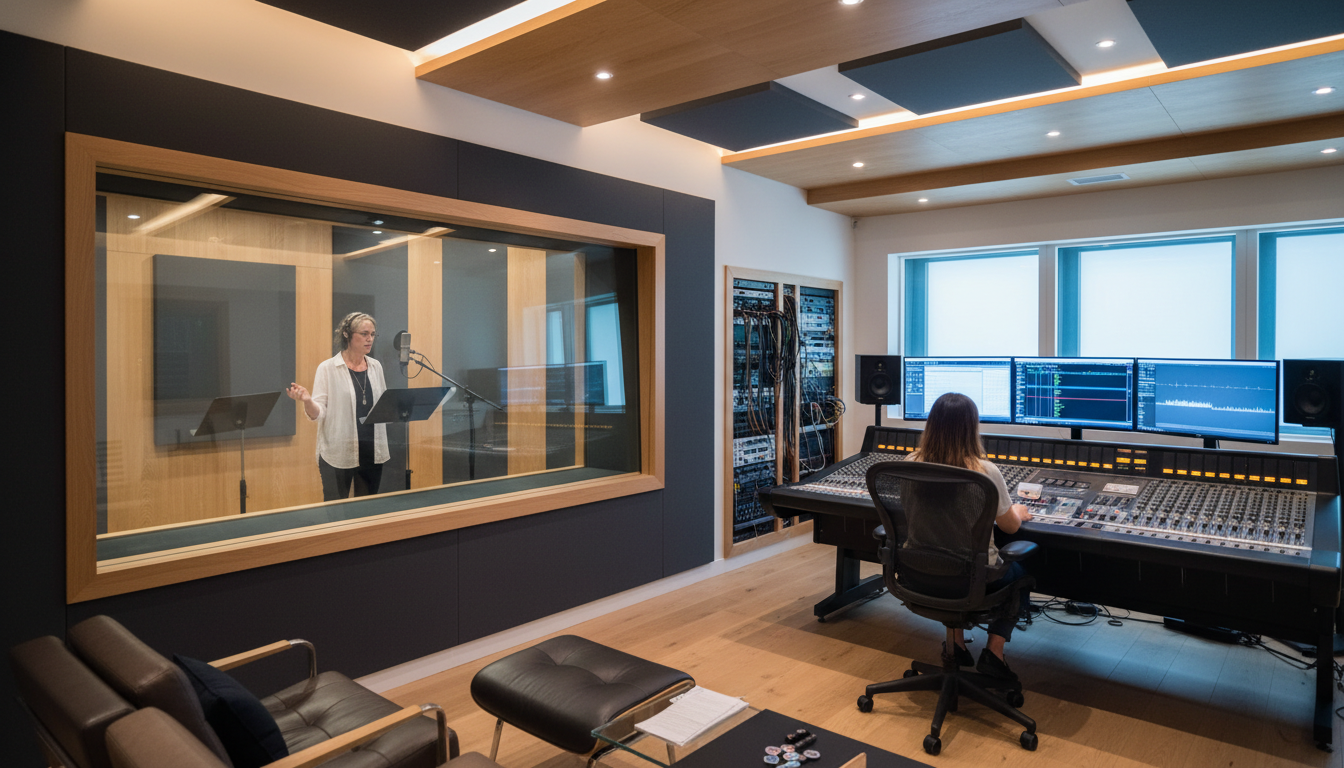
Sound design and mixing are other areas where AI is making a significant impact. In Lisbon's post-production studios, AI tools are being used to automate tasks such as noise reduction, dialogue isolation, and audio enhancement. These innovations ensure that sound designers can focus on the artistic elements of sound production.
AI can assist in creating immersive soundscapes by analyzing audio patterns and suggesting enhancements that align with the emotional tone of a scene. This results in a richer auditory experience for audiences.
Streamlining Color Grading
Color grading is an essential part of the post-production process, and AI is revolutionizing this aspect by providing precise and consistent results. In Lisbon, filmmakers are using AI-powered tools to automatically balance colors and apply desired styles to their films.
These tools can quickly analyze footage and make adjustments that would typically take hours of manual work. The result is a more efficient workflow and a visually cohesive film that maintains the director's vision.
AI in Script Analysis and Editing
AI is also being employed in script analysis, assisting writers and editors in refining screenplays. In Lisbon, AI tools can analyze scripts to identify plot inconsistencies, character development issues, and pacing problems.
This technology aids filmmakers in crafting compelling narratives by providing insights that might be overlooked during the traditional editing process. By enhancing script quality, AI contributes to more engaging and coherent storytelling.

The Future of AI in Lisbon's Film Industry
As AI technology continues to evolve, its role in film post-production in Lisbon is set to expand further. The integration of AI allows for more innovative and efficient filmmaking, positioning Lisbon as a leader in the international film community.
Filmmakers in Lisbon are embracing these advancements, recognizing the potential of AI to push the boundaries of creativity while maintaining the integrity of their artistic vision. The future looks bright for Lisbon's film industry as it continues to harness the power of AI.