How AI is Revolutionizing Voice Performance Direction in Films
PP
Introduction to AI in Voice Performance
Artificial Intelligence (AI) is making waves across various industries, and the film industry is no exception. One of the most fascinating applications of AI in filmmaking is its use in revolutionizing voice performance direction. By leveraging advanced algorithms and machine learning, AI is transforming how directors and actors manage and refine their vocal performances.

Enhancing Voice Modulation and Emotion
AI tools are now capable of analyzing voice patterns and identifying subtle nuances in speech. This capability allows directors to guide actors in modulating their voices to convey the right emotions more effectively. Using AI, filmmakers can ensure that every line is delivered with the perfect tone, pitch, and intensity.
Moreover, AI can simulate various emotional states, offering actors a reference to mimic or adapt. This technology acts as a real-time coach, helping actors refine their performances with precision and consistency.
Automated Dialogue Replacement (ADR)
Automated Dialogue Replacement (ADR) is a crucial part of post-production where actors re-record their dialogues to improve audio quality or reflect script changes. AI is streamlining this process by synchronizing voice recordings with on-screen lip movements, ensuring a seamless match.
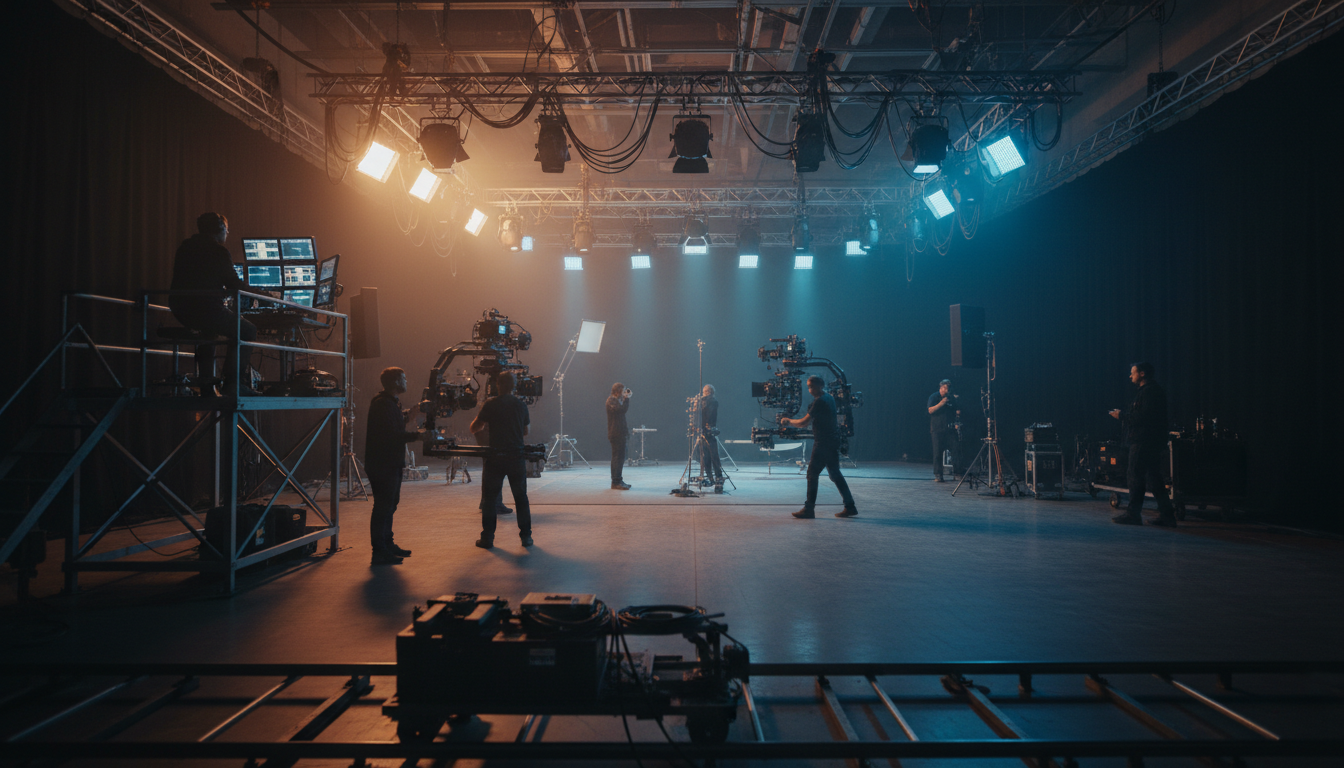
Through machine learning, AI can learn an actor’s speech patterns and create synthetic voices that match the original performance. This technology not only saves time but also maintains the integrity of the performance, even if the original actor is unavailable.
Personalized Voice Synthesis
Another groundbreaking application of AI in voice performance is personalized voice synthesis. Directors can now use AI to create unique voice profiles for characters, blending human and synthetic elements to craft distinctive vocal personas.
This innovation is particularly useful in animated films and video games, where diverse and dynamic voices are essential. AI can generate voices that are tailored to specific character traits, enhancing the storytelling experience.

Challenges and Ethical Considerations
Despite the exciting advancements, the use of AI in voice performance direction raises several ethical questions. Issues such as voice ownership, consent, and the potential for misuse must be carefully considered. Filmmakers and technologists need to establish clear guidelines to ensure ethical practices in AI-generated voice work.
Furthermore, there is concern about AI replacing human talent, which could impact the livelihoods of voice actors. Balancing technological innovation with respect for human skill is crucial to the development of this field.
The Future of AI in Voice Performance
As AI technology continues to evolve, its impact on voice performance direction in films will likely expand. Future developments may include more sophisticated emotional recognition, improved voice cloning technologies, and even real-time translation of voice performances across different languages.
Ultimately, AI offers a powerful toolset for filmmakers, enabling them to push the boundaries of creativity and storytelling. By embracing these innovations, the film industry can create more immersive and emotionally engaging experiences for audiences worldwide.