How AI Localization is Revolutionizing Global Film Distribution
PP
The Role of AI Localization in Film Distribution
In an increasingly globalized world, the film industry is embracing new technologies to reach a wider audience. Among these innovations, AI localization stands out as a game-changer. By using artificial intelligence to localize films, distributors can effectively bridge cultural and linguistic gaps, making films accessible to diverse audiences worldwide.
Traditionally, film localization involved manual translation and dubbing, processes that were both time-consuming and expensive. AI localization, however, automates these tasks, providing a faster and more cost-effective solution without compromising quality.

How AI Localization Works
AI localization utilizes advanced machine learning algorithms to translate and adapt film content. This involves not just language translation but also cultural adaptation, ensuring that humor, idioms, and cultural references resonate with local audiences. AI tools can process vast amounts of data to understand context and nuance, delivering translations that feel natural and engaging.
Moreover, AI can synchronize dubbing with on-screen lip movements, creating a seamless viewing experience. This level of precision was previously achievable only through costly and labor-intensive manual processes.
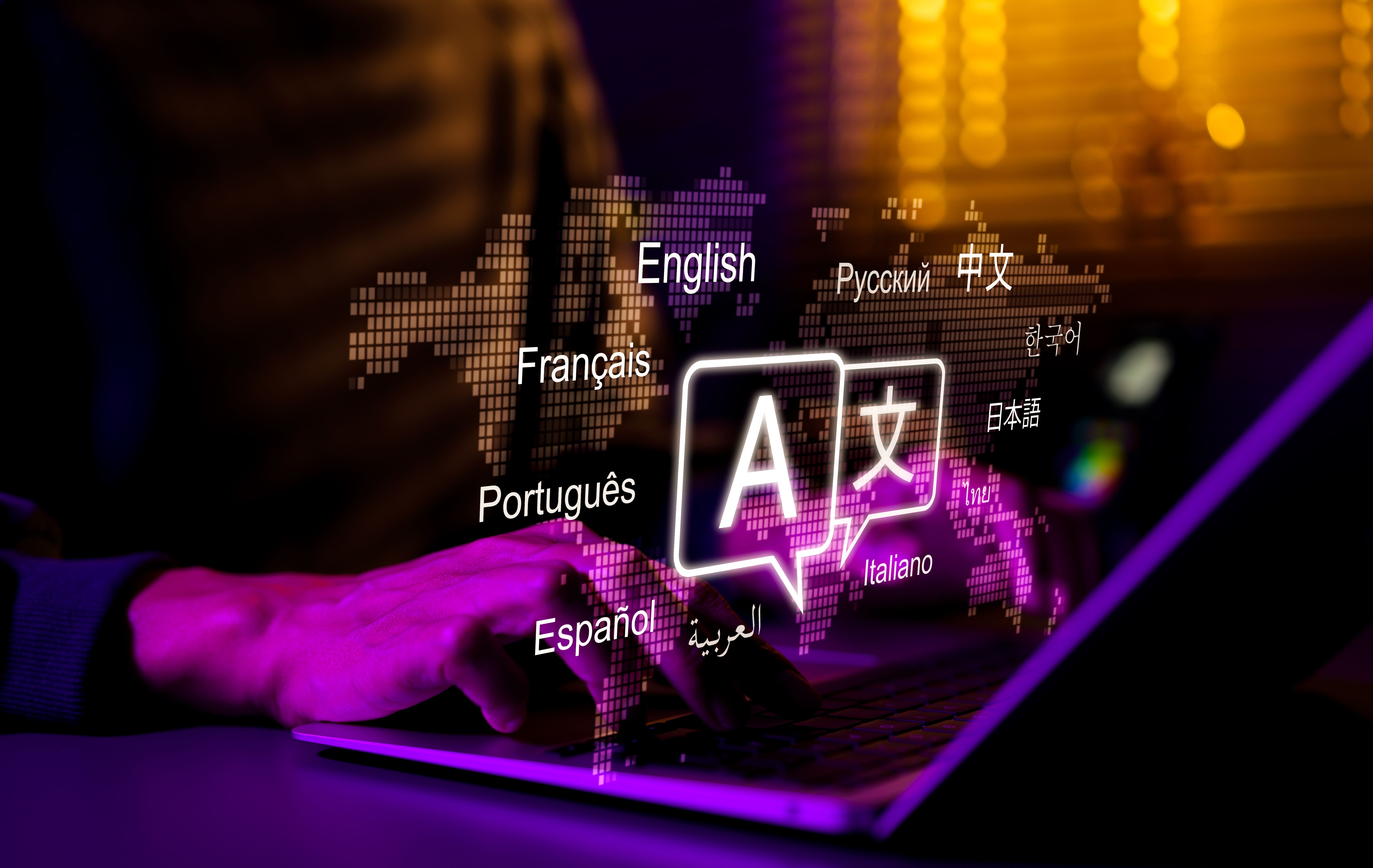
Benefits of AI Localization
The benefits of AI localization in film distribution are manifold. Here are a few key advantages:
- Speed: AI-driven localization significantly reduces the time required to prepare films for different markets.
- Cost-effectiveness: By automating the localization process, studios can save on labor costs, making it feasible to release films in more languages.
- Consistency: AI ensures consistent quality in translations, maintaining the essence and tone of the original content.
These advantages not only enhance the viewing experience for audiences but also open up new revenue streams for filmmakers and distributors.

Challenges and Future Prospects
Despite its benefits, AI localization is not without challenges. Subtle nuances and cultural sensitivities can sometimes be missed by AI, requiring human oversight for the best results. As the technology evolves, however, these issues are expected to diminish.
The future of AI localization looks promising. Continuous advancements in AI and machine learning are set to make the process even more efficient and accurate. As the technology matures, we can anticipate a world where films from any country can be enjoyed anywhere, breaking down cultural barriers and fostering greater understanding and appreciation among global audiences.
In conclusion, AI localization is revolutionizing global film distribution by making it faster, cheaper, and more effective. As technology progresses, we can look forward to a more interconnected global film industry, where stories are shared and celebrated across cultural boundaries.