How to Ensure Quality Control in Audio Editing for Feature Films
PP
Understanding the Importance of Quality Control in Audio Editing
In the world of feature films, audio quality is as crucial as the visual elements. Ensuring top-notch audio can make the difference between immersive storytelling and a disconnected audience. Quality control in audio editing involves meticulous planning and execution to achieve a seamless final product.
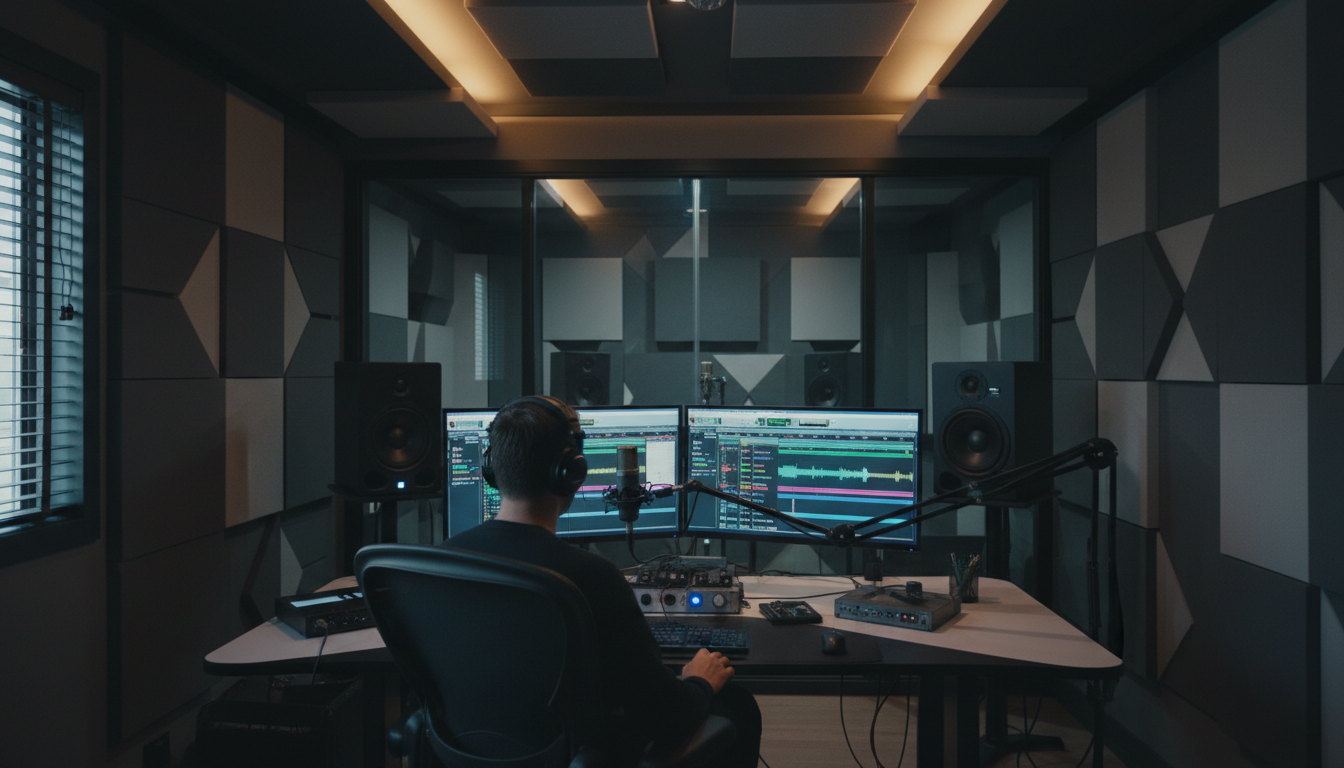
Quality control is not just about checking for errors; it's about enhancing the overall auditory experience. The process begins long before the actual editing, with the initial recording sessions setting the stage for success.
Establishing a Clear Workflow
A structured workflow is essential for maintaining high standards in audio editing. This includes defining roles, setting deadlines, and utilizing effective communication tools. A well-organized team can adapt quickly to changes and ensure that every detail is meticulously handled.
Consider implementing a project management system to track progress and address potential issues promptly. Having a clear workflow allows for systematic checks at every editing stage, ensuring consistency and quality.
Utilizing Advanced Technology and Tools
Modern audio editing software offers a range of features designed to enhance audio quality. Tools like noise reduction, equalization, and dynamic range compression can significantly improve the soundscape of a film. Investing in high-quality software and keeping it updated is crucial for maintaining competitive standards.
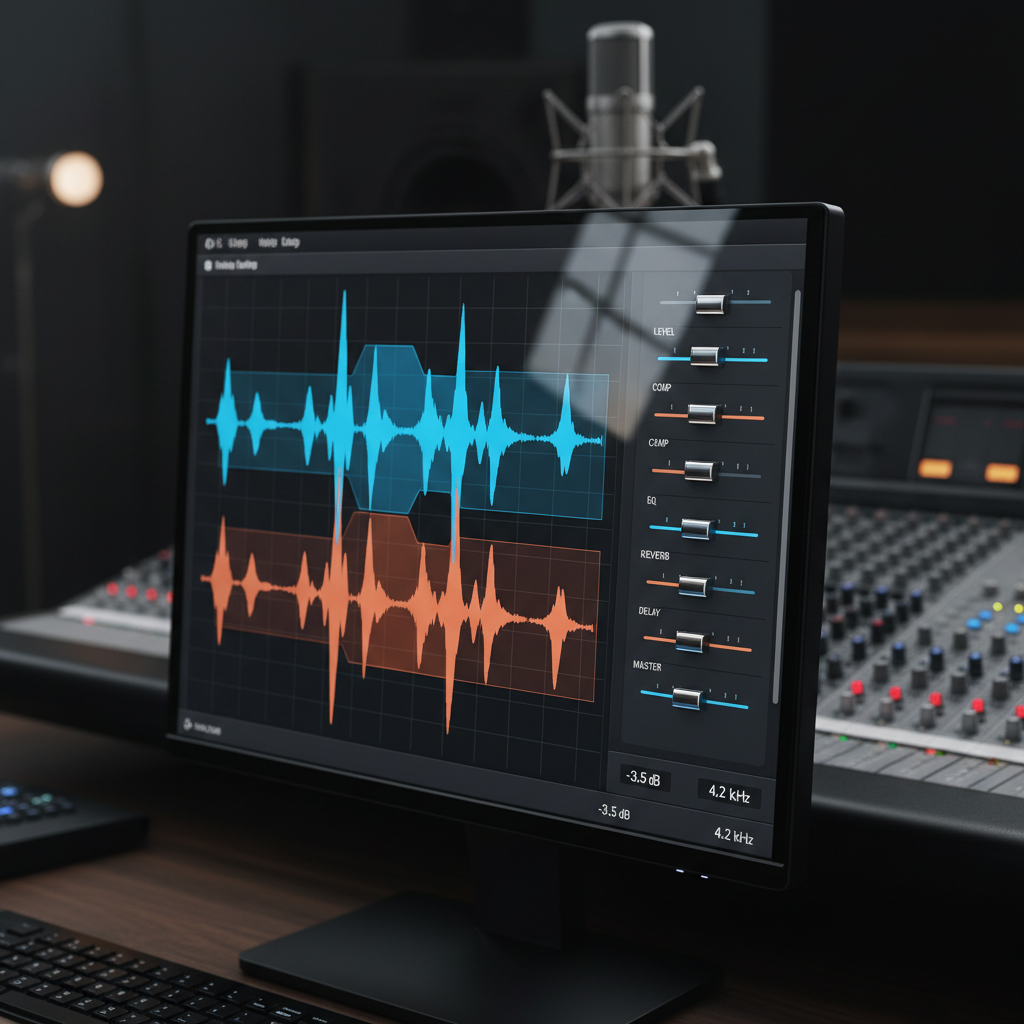
Moreover, employing specialized plugins can address specific audio challenges, providing editors with the flexibility to fine-tune every aspect of the sound. Regularly training your team on these tools ensures they can leverage technology effectively.
Implementing Regular Quality Checks
Regular quality checks throughout the editing process are vital. This includes listening sessions with fresh ears, peer reviews, and technical evaluations. These checks help identify inconsistencies and rectify them before the final mix.
- Schedule periodic reviews with the entire sound team.
- Encourage feedback from directors and producers.
- Use automated tools to detect audio anomalies.
By incorporating regular quality checks, you can catch issues early and ensure a smoother post-production phase.
Collaboration with Other Departments
Audio does not exist in isolation. Collaborating with other departments, such as film editing and visual effects, is crucial. This ensures that the audio aligns perfectly with the visual elements, creating a cohesive and immersive experience.
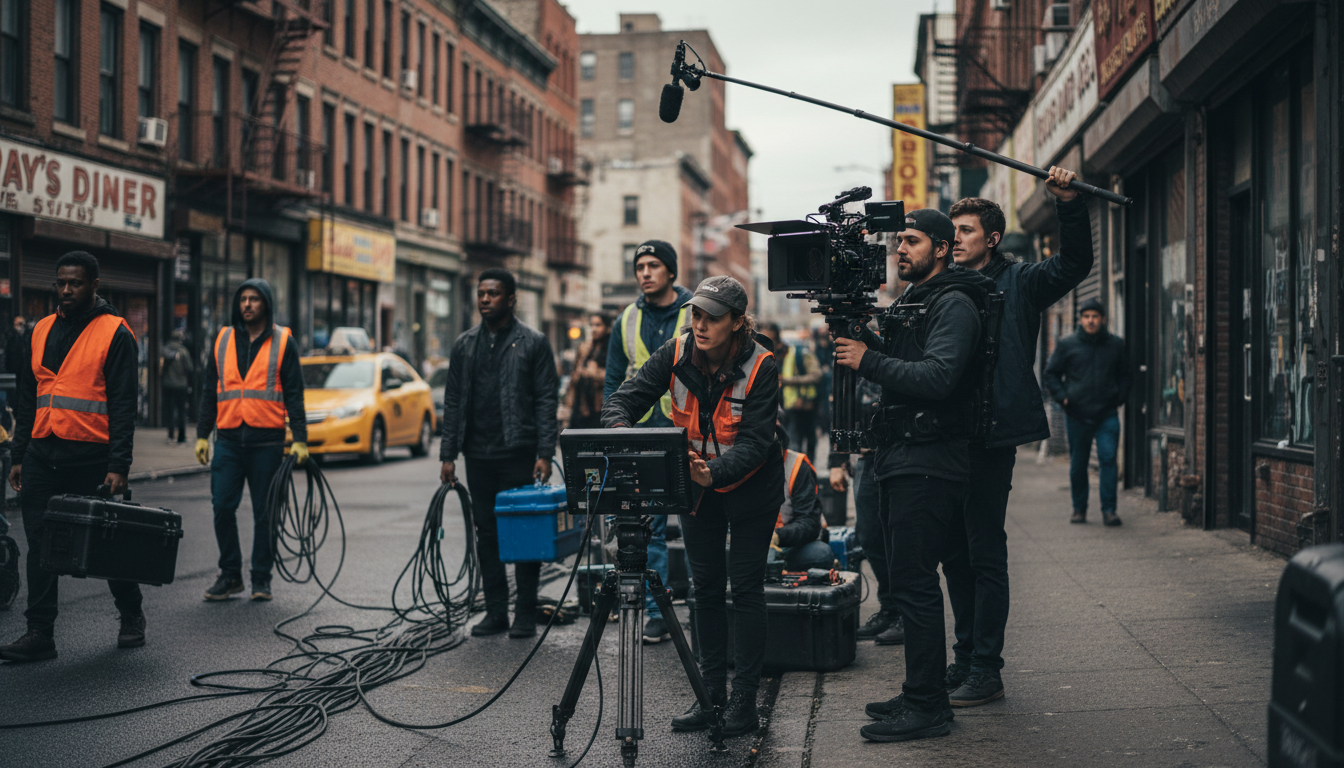
Regular meetings and collaborative sessions help synchronize efforts and maintain a unified vision. This holistic approach is key to delivering a high-quality final product.
Finalizing the Audio Mix
The final mix is where everything comes together. It requires a keen ear and attention to detail to balance all elements perfectly. This stage often involves multiple revisions to achieve the desired outcome.
Engage experienced sound engineers to oversee the final mix, ensuring all layers of sound work harmoniously. Their expertise is invaluable in delivering a polished and professional audio experience.