Localizing Feature Films: The Role of AI and Human Expertise
PP
The Evolution of Film Localization
In the world of cinema, localization is a crucial process that allows films to reach audiences across different cultures and languages. This involves not just translating dialogue but also adapting cultural references to resonate with local audiences. In recent years, the integration of Artificial Intelligence (AI) into this process has sparked a significant transformation.
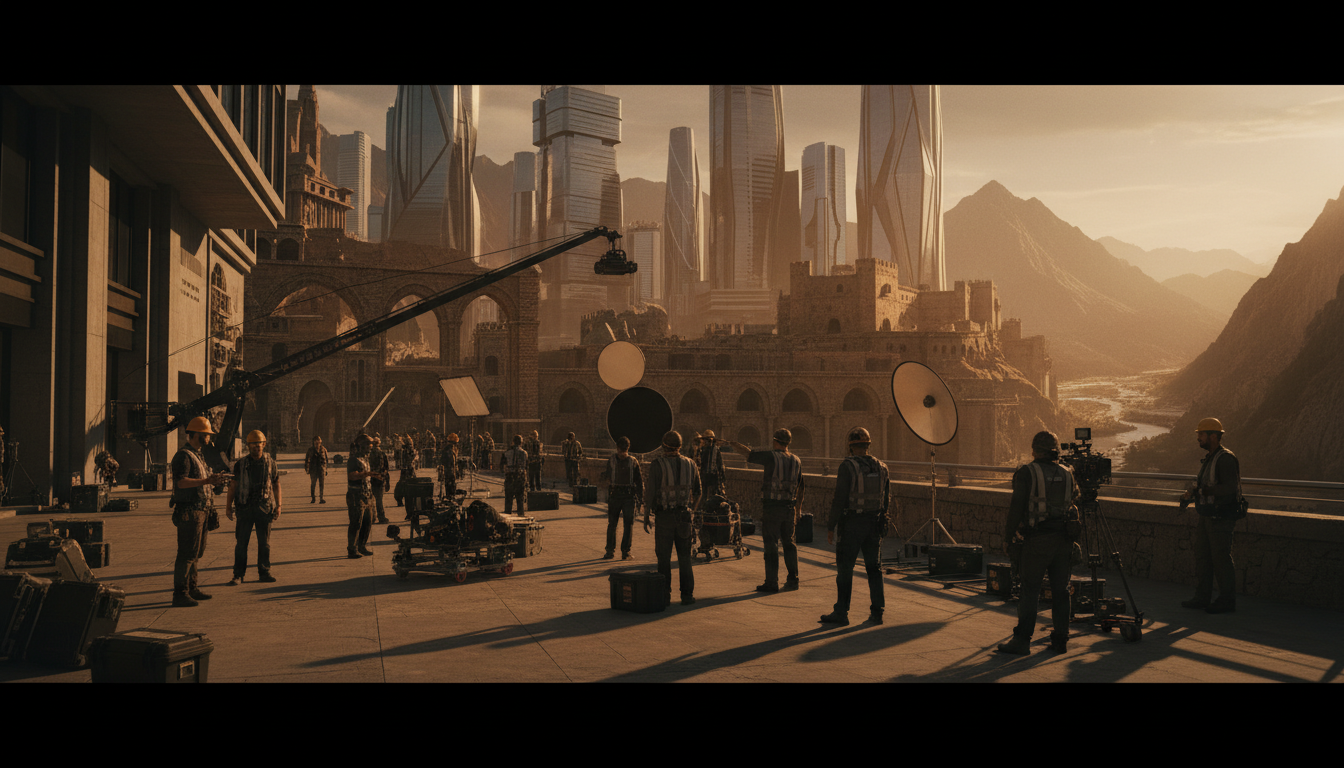
AI technologies are now being harnessed to streamline various elements of localization. From automating subtitle translations to enhancing dubbing accuracy, AI is providing tools that significantly reduce the time and cost involved. Yet, the human touch remains indispensable, ensuring that nuanced cultural elements are effectively conveyed.
The Role of AI in Film Localization
AI's role in localization primarily revolves around its ability to process large volumes of data quickly and accurately. Machine learning algorithms can analyze scripts and produce initial translations, automating what was once a labor-intensive task. Additionally, AI-driven voice synthesis technology is making strides in developing more natural-sounding dubbing options.
Moreover, AI can assist in identifying cultural references or idiomatic expressions that may not translate directly, flagging them for human translators to adapt appropriately. This collaboration between technology and human expertise creates a more efficient workflow.
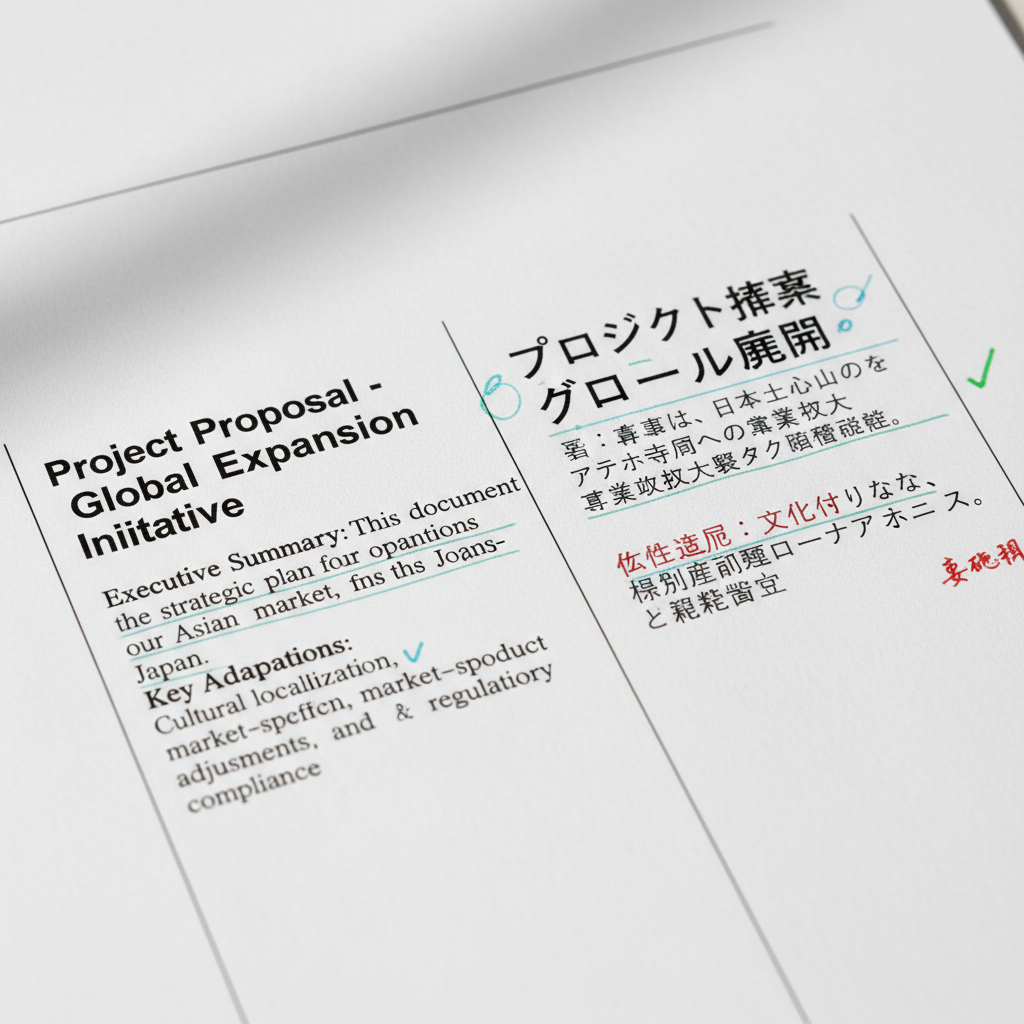
Benefits of AI Integration
- Speed: AI can handle repetitive tasks quickly, reducing the overall time required for localization.
- Cost-effectiveness: Automating parts of the process can lower costs, making localization accessible even for smaller productions.
- Consistency: AI ensures uniformity in translations, maintaining consistency throughout the film.
The Indispensable Human Touch
Despite the advancements in AI, human expertise remains critical. Language is deeply tied to culture, and understanding the subtleties of cultural context is something AI has yet to master. Professional translators bring insight and creativity that are essential for adapting humor, idioms, and cultural references.

Furthermore, voice actors provide emotional depth that synthesized voices currently lack. Their ability to interpret and convey emotions ensures that the audience experiences the film as intended by its creators.
Balancing AI and Human Expertise
The key to successful localization lies in balancing AI efficiencies with human insights. By allowing AI to handle routine tasks, human experts can focus on the creative and interpretive aspects, ensuring that the localized film is both accurate and culturally resonant.
Ultimately, the goal is to create a seamless viewing experience for audiences worldwide. As technology continues to evolve, the partnership between AI and human expertise will likely lead to even more innovative and effective localization strategies.