Mastering Audio Production: Essential Techniques for Filmmakers
PP
Understanding the Basics of Audio Production
Filmmaking is a complex art form that combines various elements, and audio production plays a crucial role in creating an immersive experience. Understanding the basics of audio production is essential for filmmakers who want to enhance their storytelling through sound. From capturing clear dialogue to creating a compelling soundscape, mastering audio techniques can elevate a film's quality.
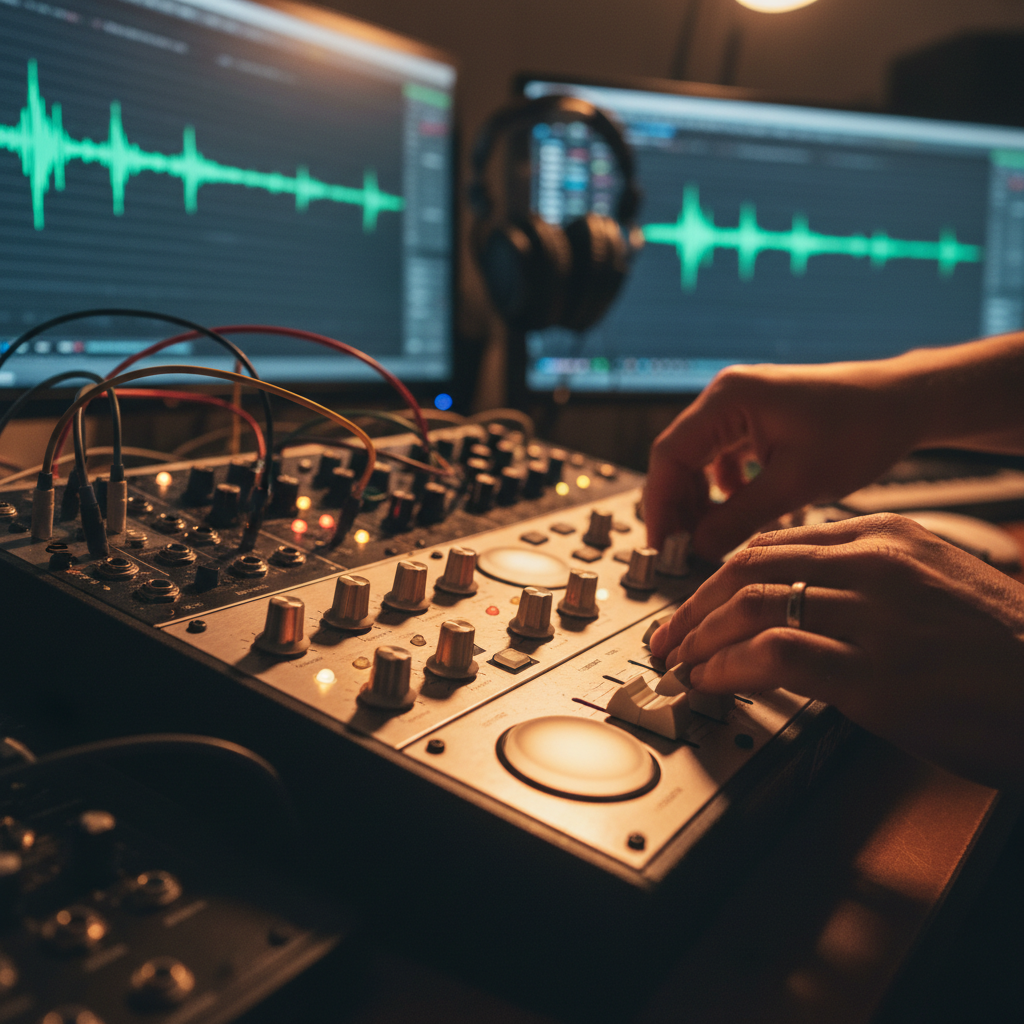
One of the first steps in audio production is selecting the right equipment. This includes microphones, audio interfaces, and headphones. Choosing the right tools can greatly impact the clarity and quality of your sound.
Capturing High-Quality Sound
The key to capturing high-quality sound is understanding the environment you are working in. Whether you're filming on location or in a studio, each setting presents unique challenges and opportunities. Using directional microphones can help isolate sound sources and reduce background noise.
Positioning the microphone correctly is also crucial. Placing it too far from the sound source can result in unwanted ambient noise, while placing it too close can cause distortion. Experimenting with different placements can help achieve the best results.
Editing and Mixing Techniques
Once the audio is captured, the next step is editing and mixing. This process involves cleaning up the audio, removing unwanted sounds, and balancing different audio tracks. Using software like Pro Tools or Adobe Audition can streamline the editing process.
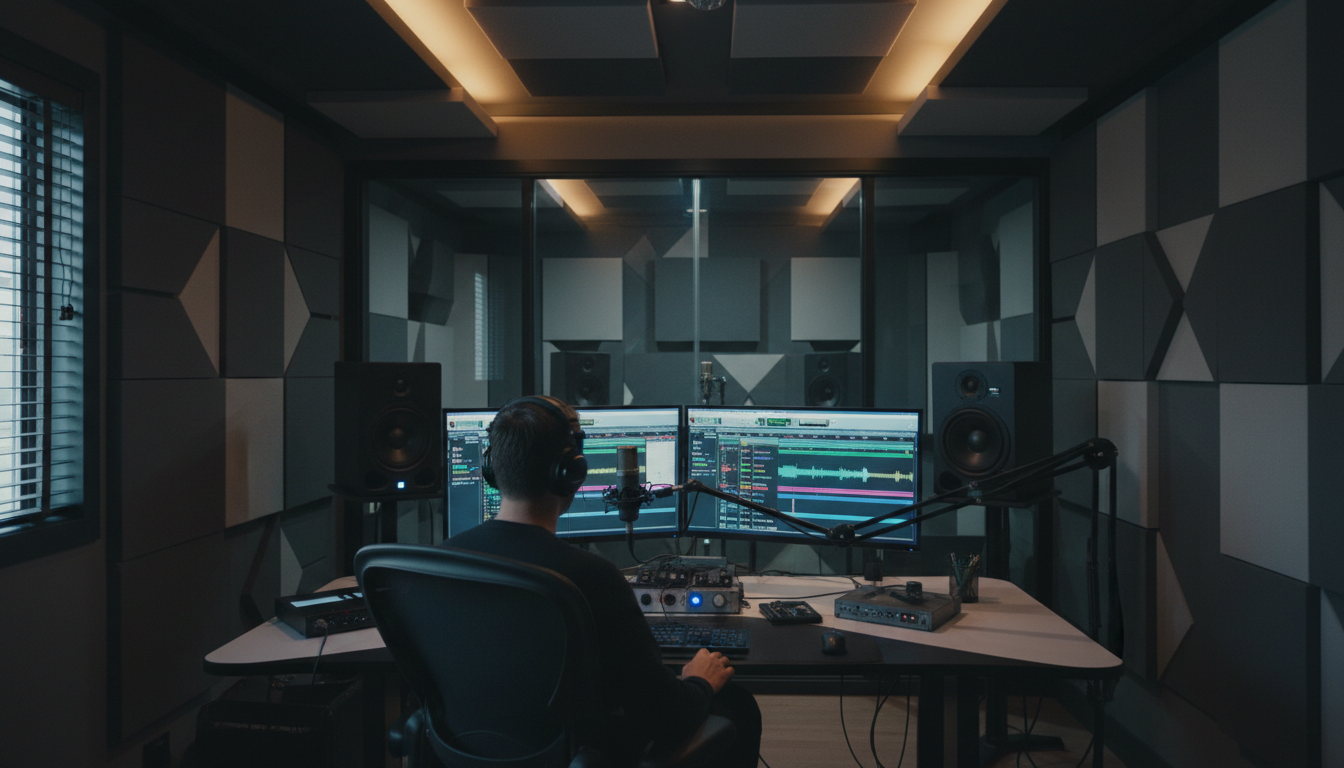
Mixing involves adjusting the levels of different audio elements to create a cohesive sound experience. This includes balancing dialogue, music, and sound effects. Proper mixing ensures that no element overpowers the others, allowing the film's narrative to shine through.
Using Equalization and Compression
Equalization (EQ) and compression are powerful tools in audio production. EQ allows you to adjust the frequency levels of your audio, enhancing certain elements while reducing others. This can help in making dialogue clearer or adding warmth to music tracks.
Compression, on the other hand, helps control the dynamic range of your audio. It ensures that the volume remains consistent throughout, preventing sudden loud bursts or quiet drops that can distract viewers.
Sound Design and Effects
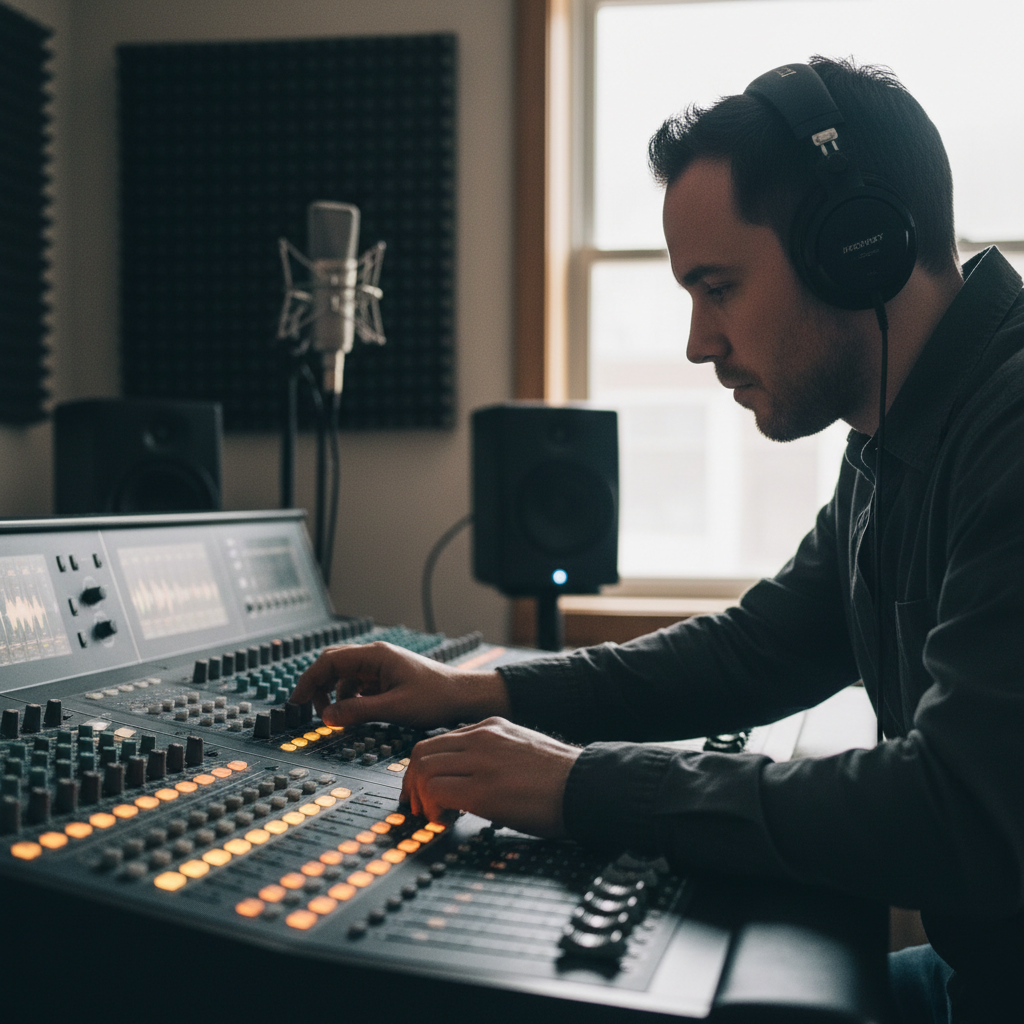
Sound design is where creativity truly comes into play. It's about creating an auditory world that complements the visual elements of your film. This can include adding ambient sounds, Foley effects, or even creating entirely new sounds to enhance the storytelling.
Using libraries of pre-recorded sounds can be a great starting point, but custom sound design often adds a unique touch that sets a film apart. Experimenting with different effects and layering them can lead to innovative results.
Finalizing and Mastering Audio
The final step in the audio production process is mastering. This involves ensuring that the audio is polished and ready for distribution. Mastering enhances the overall sound quality, ensuring that it translates well across different playback systems.
Attention to detail during mastering can make a significant difference in how the audience perceives the film. Consistency in volume and clarity across all scenes creates a professional and immersive audio experience.
In conclusion, mastering audio production is an essential skill for filmmakers. By understanding and applying these techniques, filmmakers can create a rich and engaging soundscape that enhances their storytelling and captivates their audience. Whether you're a novice or an experienced filmmaker, investing time in learning audio production can significantly elevate your projects.