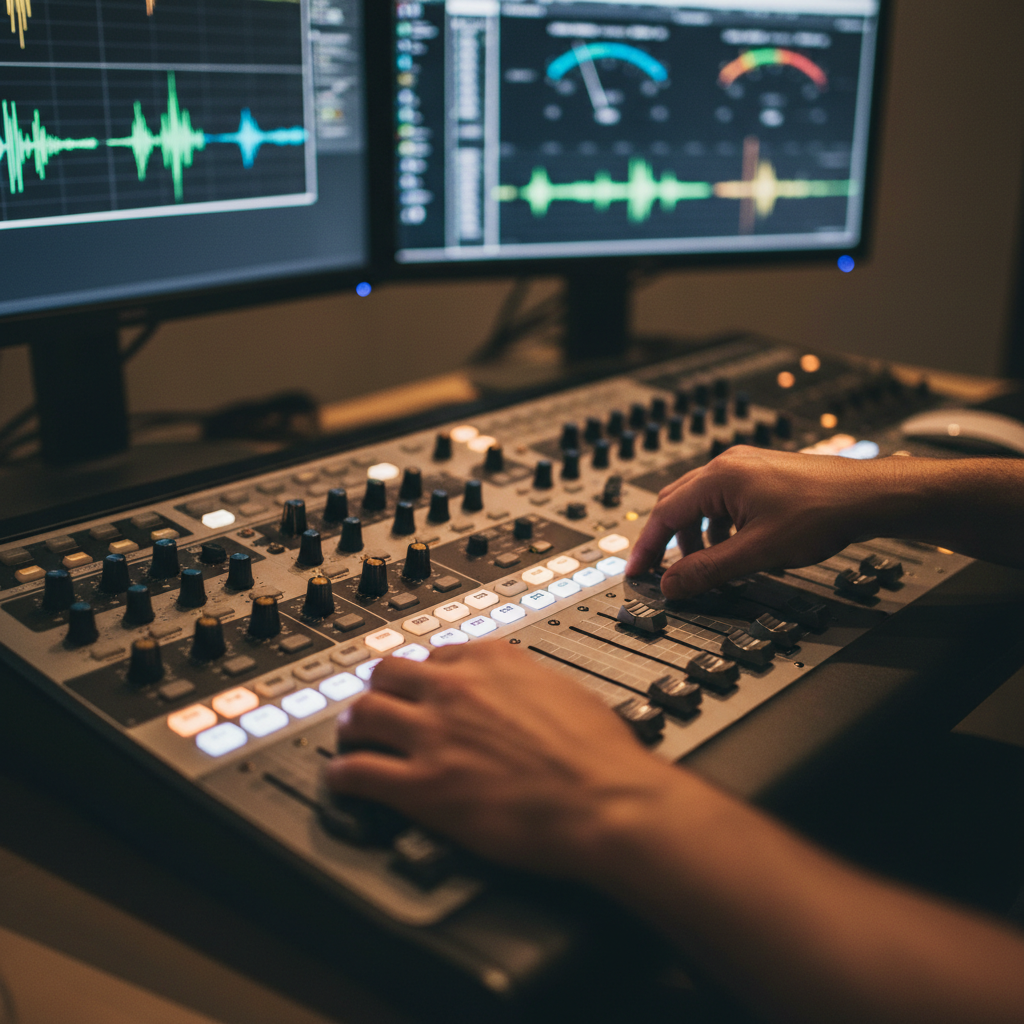
Mastering Post-Production: A Guide to ADR Direction for Filmmakers
PP
Understanding the Role of ADR in Filmmaking
Automated Dialogue Replacement (ADR) is a critical aspect of post-production in filmmaking. It involves re-recording dialogue in a controlled environment to improve audio quality or alter the original lines. Mastering ADR can significantly elevate the final product, ensuring clarity and emotional authenticity.
ADR is not just about fixing technical issues; it's about enhancing the storytelling. When executed properly, ADR can seamlessly blend with the visual elements, creating a cohesive and immersive experience for the audience.

Preparing for a Successful ADR Session
Preparation is key to a successful ADR session. Start by reviewing the entire film to identify sections where ADR is necessary. This could be due to background noise, unclear dialogue, or a need to modify specific lines for narrative purposes.
Once you've identified the scenes, prepare a script with the lines that need re-recording. Ensure that the script is organized and accessible to streamline the process during the recording session.
Choosing the Right Environment
Selecting a suitable recording environment is crucial. A soundproof studio with high-quality microphones and recording equipment is ideal. The more control you have over the acoustics, the better the final output will be.
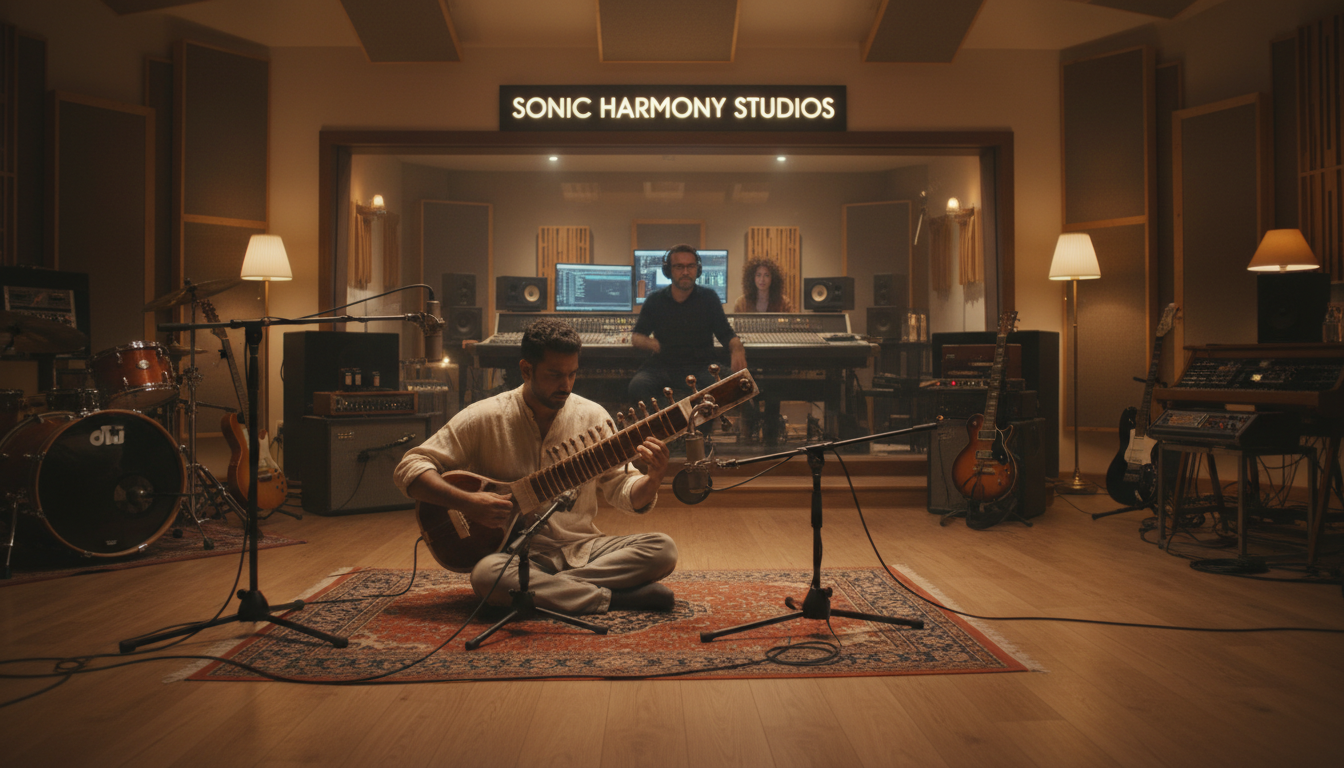
Directing Actors for Authentic Performances
Directing actors in an ADR session requires finesse and patience. Encourage them to watch the original footage to match their delivery with the on-screen performance. This synchronization is vital for maintaining the emotional tone of the scene.
Provide clear and concise direction. Actors should understand the context and emotional nuances of their lines. Rehearsing these lines multiple times can help them deliver more naturally during recording.
Maintaining Consistency with Original Audio
Consistency is essential when blending ADR with original audio. Pay close attention to the actor's tone, pitch, and pacing. The goal is to ensure that the new recordings match the existing footage as closely as possible.
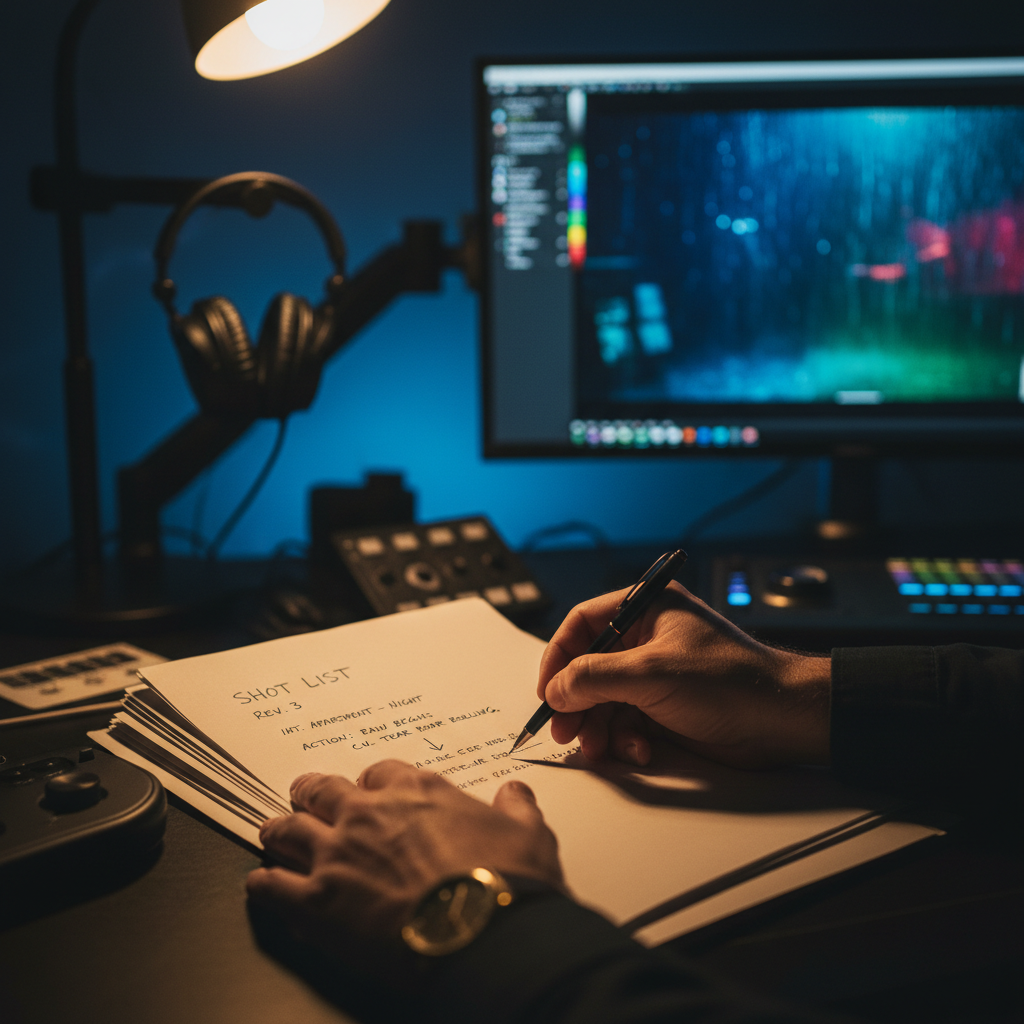
Utilizing Technology to Enhance ADR
Modern technology offers numerous tools to refine ADR recordings. Software like Pro Tools and Adobe Audition can assist in matching audio levels and applying effects to create a seamless transition between original and re-recorded audio.
Consider using plugins that help reduce ambient noise and enhance vocal clarity. These tools can significantly improve the overall quality of the ADR process.
Finalizing and Integrating ADR into Your Film
After recording and editing, the final step is integrating the ADR into your film. This phase involves careful synchronization and mixing to ensure the audio blends perfectly with the visual elements.
Test the film with different audiences to gather feedback on the audio quality. This input can be invaluable for making final adjustments and ensuring that the ADR enhances the film's overall impact.