Mastering Post-Production: An Insider's Guide to Audio Mastering in Film
PP
Understanding Audio Mastering in Film
Audio mastering in film is a crucial yet often overlooked aspect of post-production. It involves perfecting the audio to ensure it complements the visual elements and enhances the overall cinematic experience. Mastering brings clarity, consistency, and cohesion to the soundtrack, making it an indispensable part of the filmmaking process.
While many are familiar with visual editing, audio mastering requires a unique set of skills and tools. It aims to balance sound levels, equalize frequencies, and eliminate unwanted noise. This process ensures that every sound, from dialogue to background noise, is crisp and clear.
The Role of the Audio Mastering Engineer
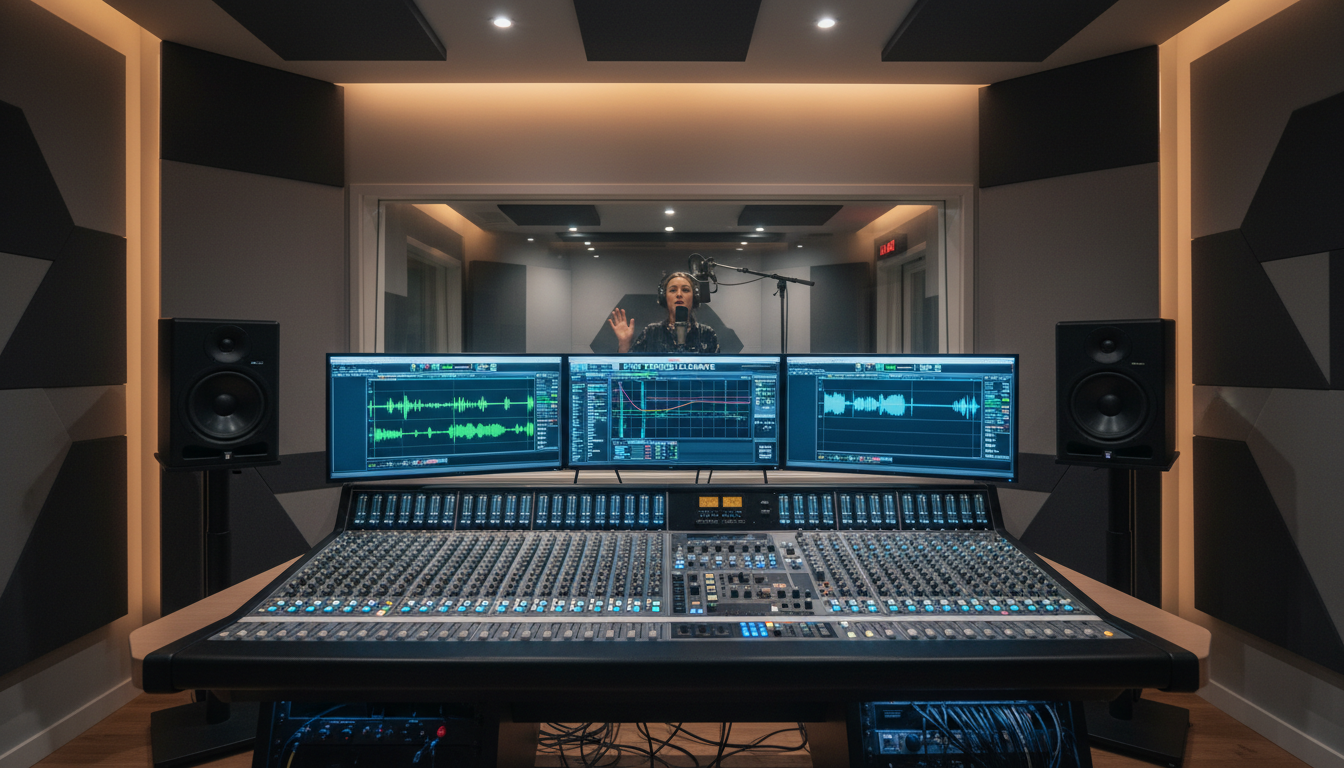
An audio mastering engineer plays a pivotal role in the post-production phase. Their expertise lies in fine-tuning the audio elements to achieve the desired emotional impact. They meticulously adjust levels, apply compression, and enhance the overall sound quality, ensuring the film sounds its best in any environment.
The engineer's work involves a keen ear for detail and a deep understanding of acoustics. They must be able to discern subtle differences in sound and make precise adjustments to bring out the best in the audio track.

Key Techniques in Audio Mastering
Several techniques are essential to audio mastering in film. These include:
- Equalization (EQ): Adjusting frequencies to balance the sound spectrum.
- Compression: Reducing the dynamic range to ensure consistent sound levels.
- Limiting: Preventing audio distortion by controlling peak levels.
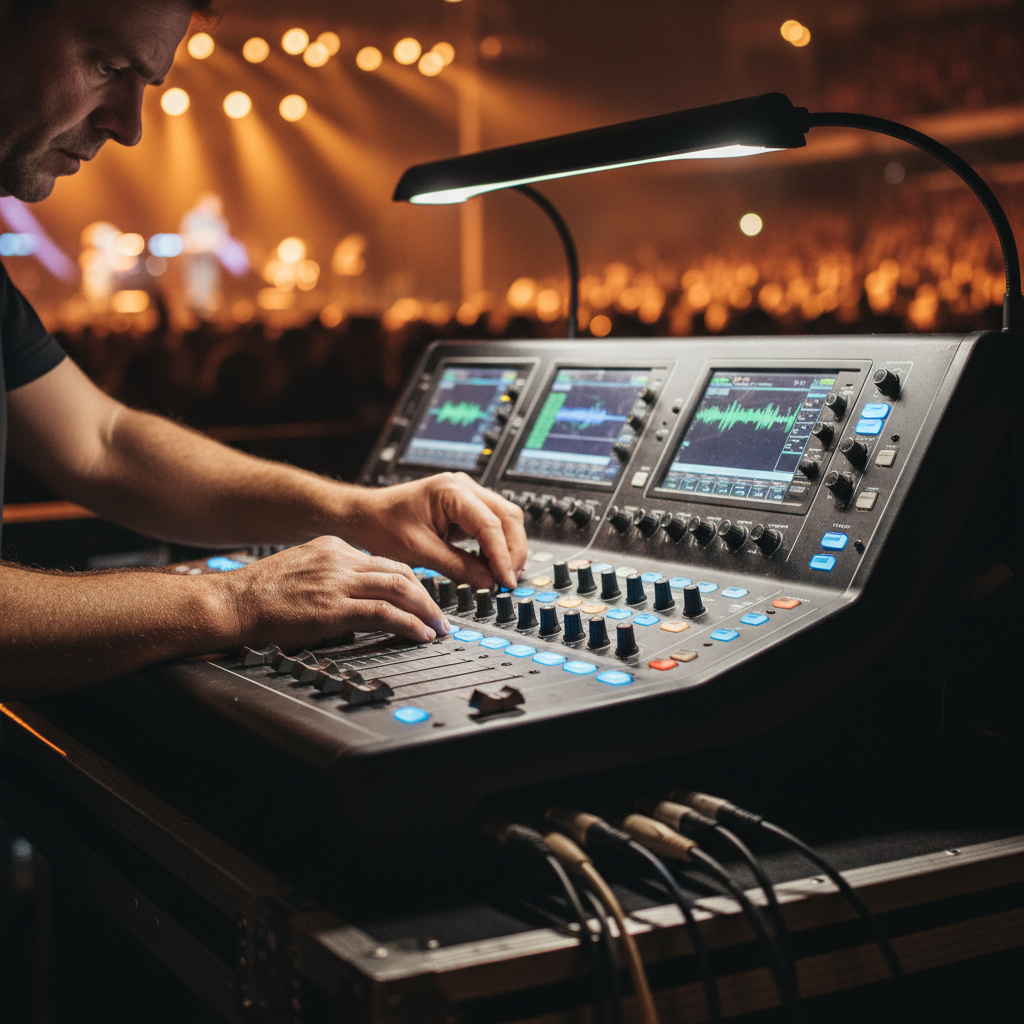
These techniques require a delicate balance to maintain the integrity of the original sound while enhancing its quality. Mastering engineers often use specialized software and hardware to achieve these effects.
The Impact of Quality Audio Mastering
High-quality audio mastering can significantly impact the audience's perception of a film. It ensures that dialogue is intelligible, music is immersive, and sound effects are impactful. Poor audio can distract viewers and detract from the storytelling, making professional mastering essential.
In today's competitive film industry, well-mastered audio can set a production apart, enhancing its appeal to audiences and critics alike. It is an investment in the film's overall quality and success.
Choosing the Right Tools and Techniques
With a variety of tools and techniques available, selecting the right ones for a project is crucial. Engineers often use a combination of software plugins and hardware to achieve the best results. Platforms like Pro Tools, Logic Pro, and Ableton Live are commonly used in the industry.
Each project may require a unique approach, and the choice of tools can greatly influence the outcome. Understanding the specific needs of a film's audio is key to successful mastering.
Conclusion: The Art and Science of Audio Mastering
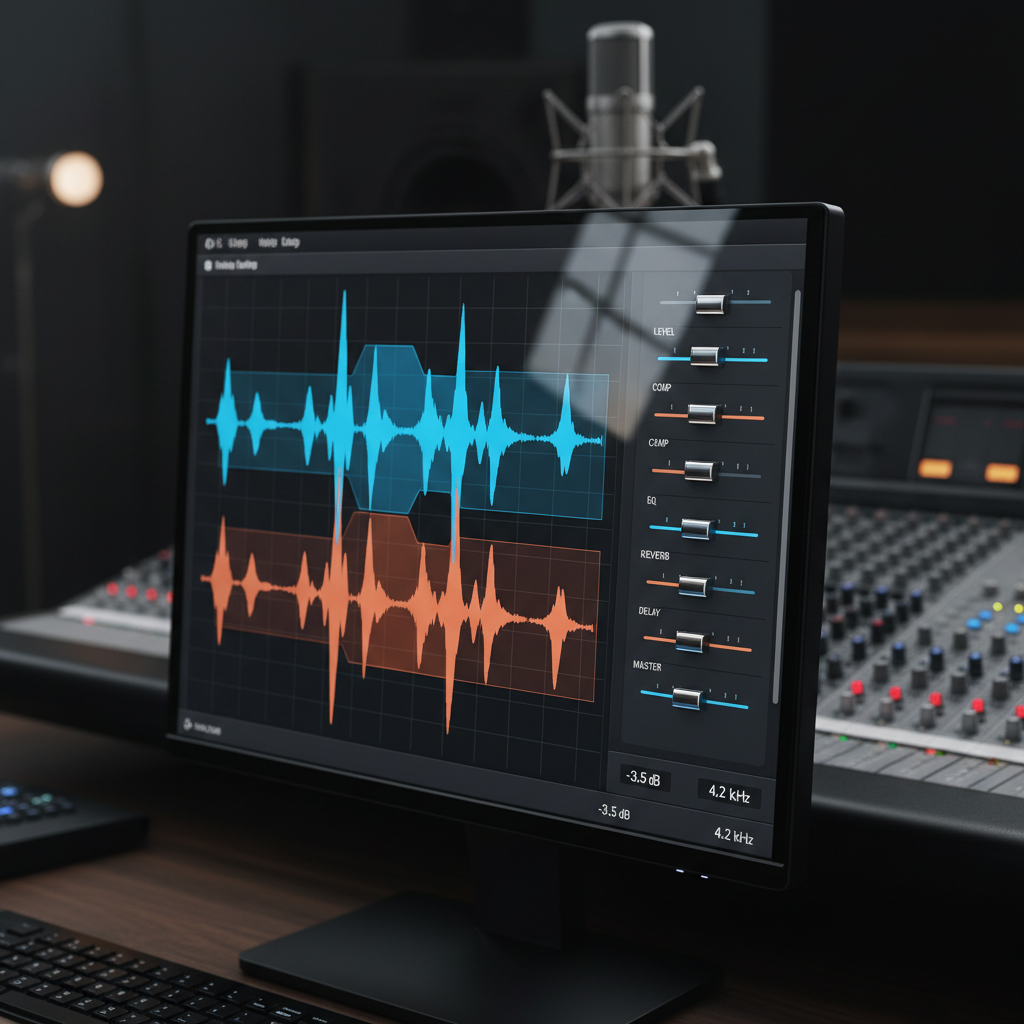
Audio mastering in film is both an art and a science. It requires technical expertise, creativity, and an understanding of the film's narrative. By mastering the soundtrack, filmmakers can ensure their stories are heard as clearly and powerfully as they are seen.
For those looking to delve into this field, developing a keen ear and staying updated on the latest tools and techniques is essential. As technology evolves, so too does the craft of audio mastering, offering endless opportunities for innovation and creativity.