Mastering Sound Design: Elevating Your Film's Audio Experience
PP
Understanding the Importance of Sound Design
Sound design is a crucial component of filmmaking that is often overlooked. It plays a vital role in storytelling by enhancing the mood, guiding the audience's emotions, and bringing a film to life. While visuals capture the audience's attention, it's the audio that immerses them in the experience.
Incorporating a thoughtful sound design strategy can make a significant difference in how your film is perceived. It’s not just about adding background music; it involves crafting a complex audio environment that complements the visual narrative.
The Elements of Sound Design
Sound design encompasses various elements, each contributing to the overall audio experience. These elements include dialogue, sound effects, Foley, ambient sound, and music. Each serves a specific purpose and, when used effectively, can transform a simple scene into something extraordinary.
Dialogue is the most straightforward element, but capturing it clearly and naturally is essential. Sound effects and Foley add realism to the film, while ambient sounds create a sense of place and time. Music, on the other hand, can evoke emotions and highlight critical moments in the story.
Techniques for Effective Sound Design
To master sound design, filmmakers must pay attention to detail and use various techniques to create a rich audio tapestry. Layering sounds is a common practice, where multiple audio tracks are combined to produce a fuller and more immersive soundscape.
Another technique is the use of silence. Strategic pauses can heighten tension and emphasize moments of significance. By contrasting silence with sound, filmmakers can manipulate the audience's emotions and keep them engaged.
Investing in Quality Equipment
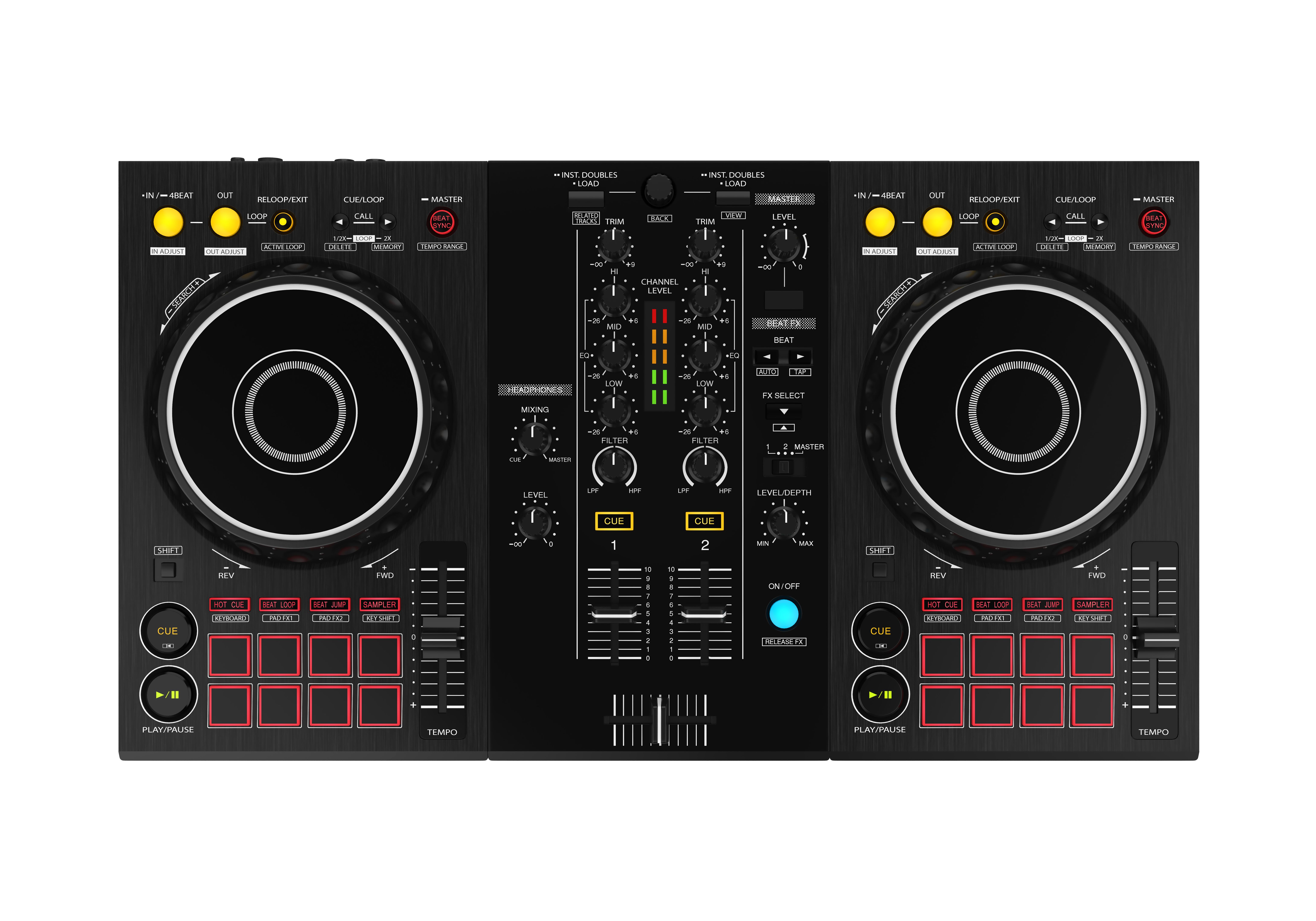
Using high-quality equipment is vital for capturing and producing excellent sound. Investing in good microphones, audio interfaces, and editing software can make a noticeable difference in audio clarity and fidelity. Remember that good sound design starts with high-quality recordings.
Additionally, working with experienced sound designers can help elevate your film’s audio experience. Professionals bring expertise and creativity to the table, ensuring that your film’s sound design aligns with your vision.
Post-Production Sound Editing
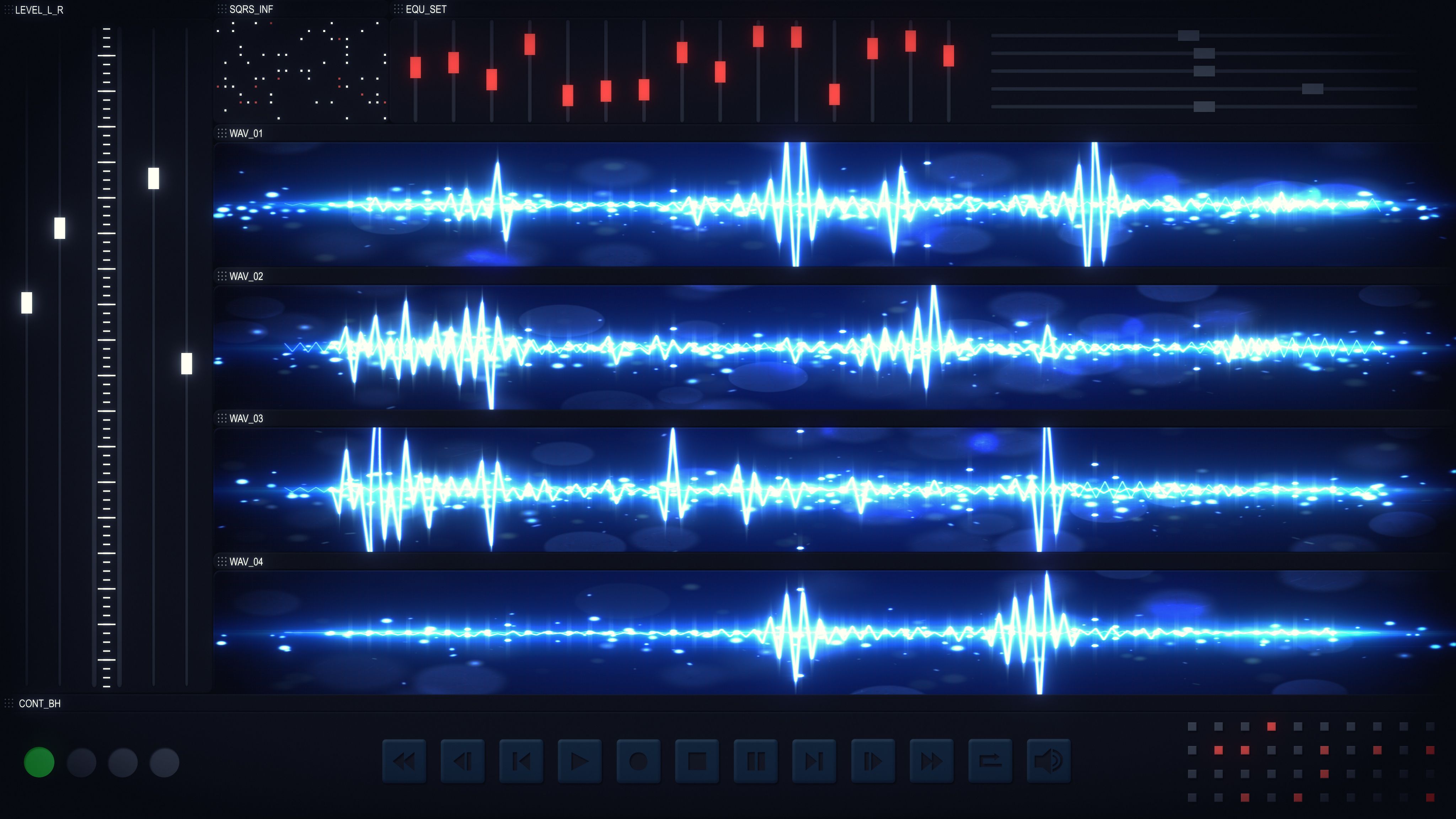
Post-production is where the magic of sound design truly happens. Editing and mixing are critical steps where all the audio elements come together. During this phase, sound designers adjust levels, equalize tracks, and add effects to create a cohesive audio experience.
Sound mixing balances the audio elements, ensuring that dialogue is clear and that sound effects and music enhance rather than overpower the scene. It requires a keen ear and an understanding of the film’s narrative to achieve the perfect mix.
Final Thoughts on Sound Design
Mastering sound design is an art that requires dedication, creativity, and technical skill. By understanding its importance and applying the right techniques, filmmakers can significantly enhance their films and provide audiences with a memorable experience.
Remember, great sound design is subtle yet powerful, supporting the film’s story without drawing attention away from it. As you embark on your next film project, consider how sound can elevate your narrative and leave a lasting impression on your audience.