Mastering Sound Design: The Art of Dialogue Adaptation in Film
PP
Introduction to Sound Design
Sound design plays a pivotal role in the filmmaking process, elevating the narrative and immersing the audience in the story. Among its various elements, dialogue adaptation holds a special place, bridging the gap between the visual and auditory experience. Mastering this art requires a keen ear and a deep understanding of both language and emotion.
The Role of Dialogue in Film
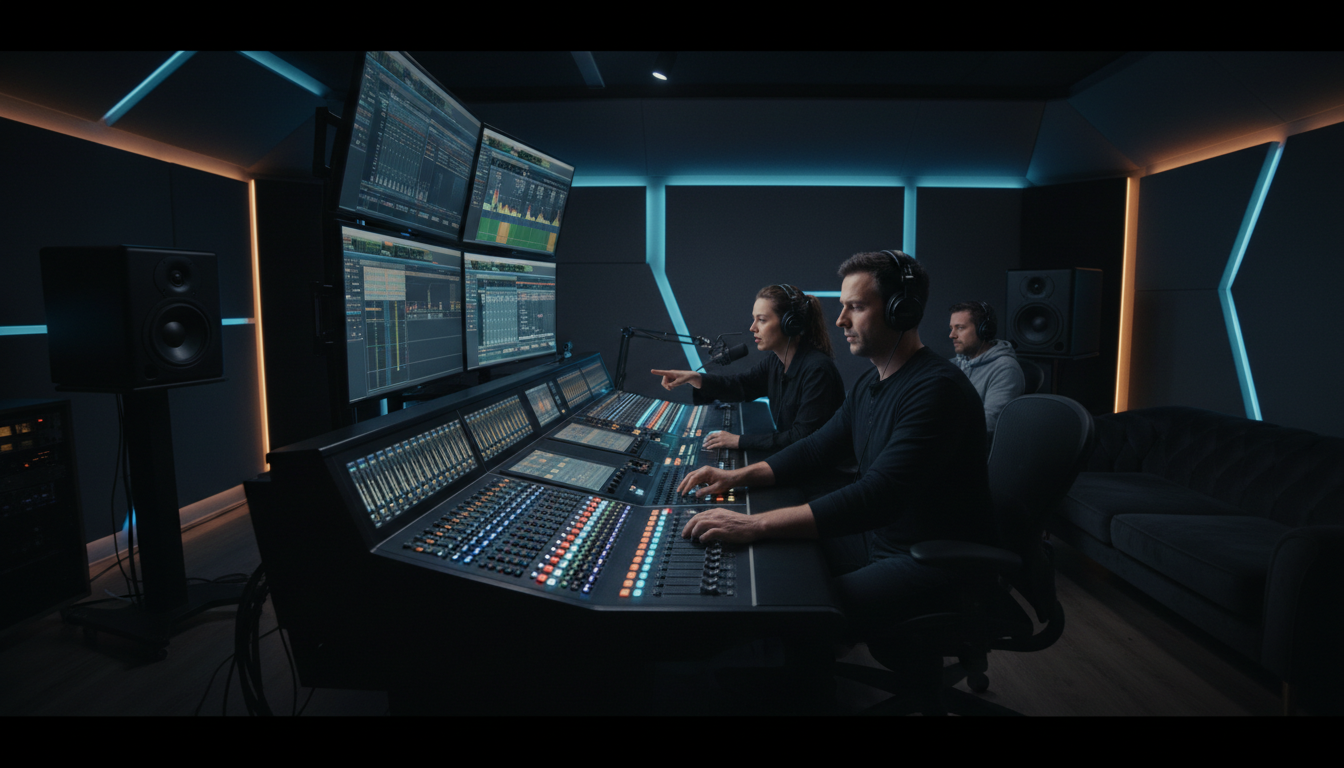
Dialogue serves as the backbone of character interaction and plot development. It offers insight into the characters’ thoughts and emotions, often driving the story forward. A well-crafted dialogue can transform a simple scene into a memorable cinematic moment, making the art of dialogue adaptation crucial for filmmakers.
Challenges in Dialogue Adaptation
Adapting dialogue for film isn't without its challenges. Translating the nuances of spoken words to fit different languages and cultures requires more than just a literal translation. It demands a creative approach to maintain the original intent, tone, and context.

Techniques for Effective Adaptation
Successful dialogue adaptation involves several techniques. Here are some key strategies:
- Localization: Adjusting dialogue to resonate with local cultures while retaining the original meaning.
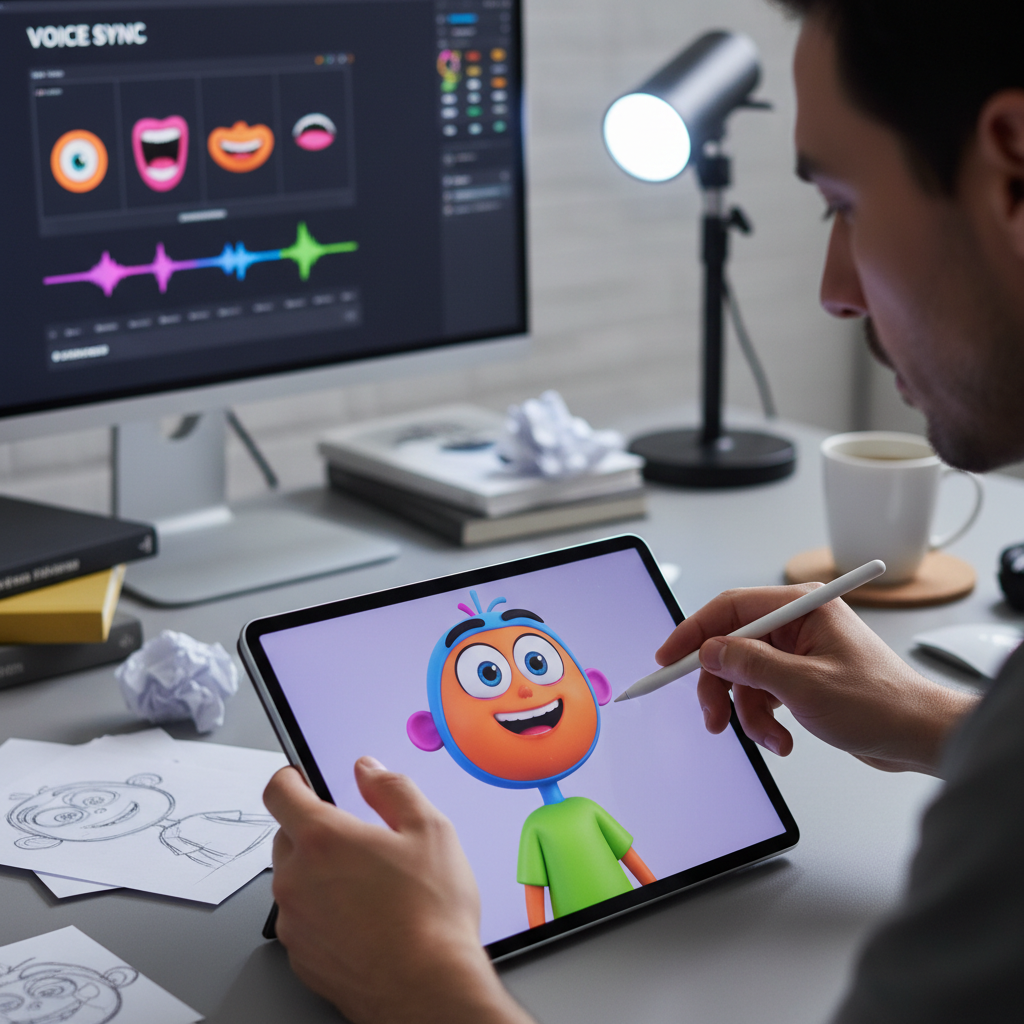
- Lip-syncing: Ensuring the adapted dialogue matches the actors’ lip movements for seamless integration.
- Emotional fidelity: Preserving the emotional undertones of the original dialogue, even if the words differ.
Technology in Dialogue Adaptation
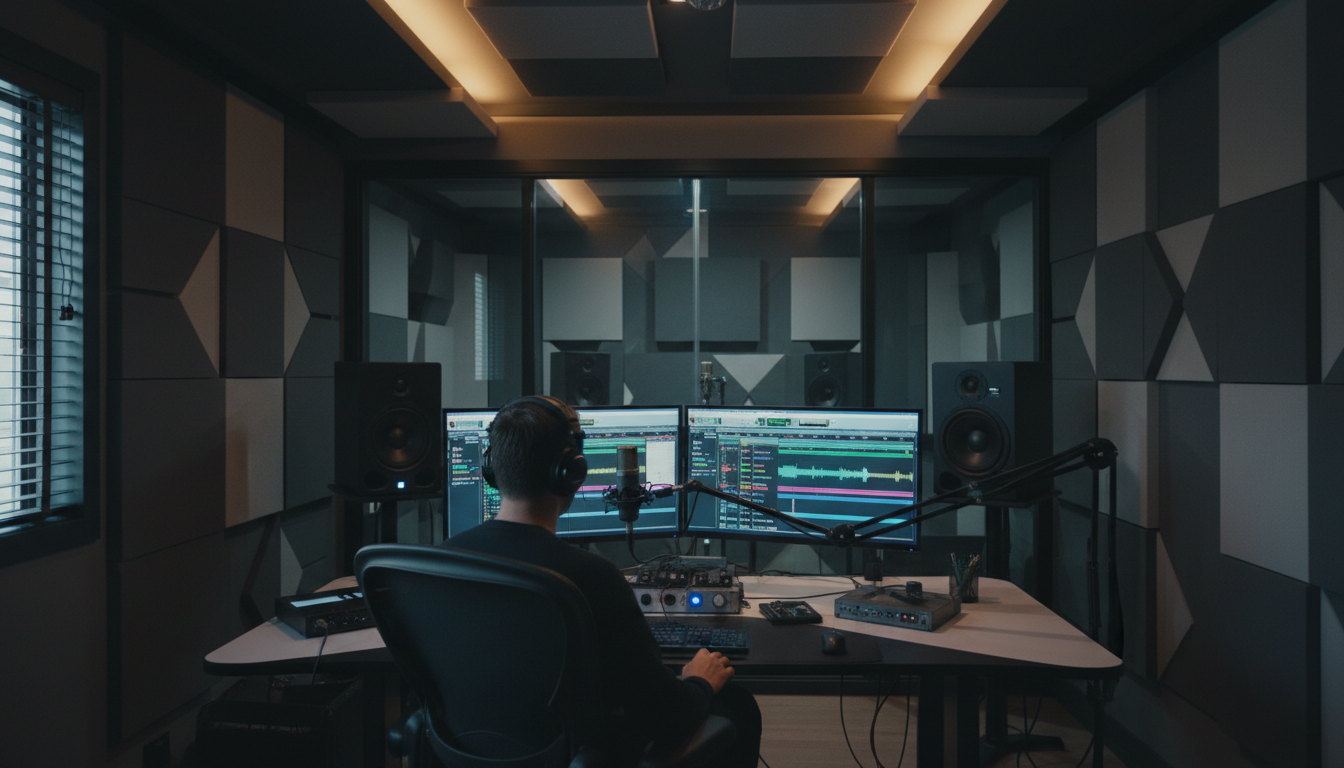
Advancements in technology have significantly enhanced the dialogue adaptation process. Software tools now allow sound designers to manipulate audio tracks with precision, ensuring that the adapted dialogue aligns perfectly with the visual elements. This technological edge makes it easier to achieve high-quality results.
The Impact of Sound Design on Audience Engagement
A well-adapted dialogue can greatly enhance audience engagement. By maintaining authenticity and emotional depth, sound designers ensure that viewers remain connected to the story, regardless of language barriers. This connection is essential for creating a universal cinematic experience.
Case Studies of Successful Dialogue Adaptation
Several films have exemplified the art of dialogue adaptation. For instance, animated films often require meticulous attention to detail in dialogue adaptation to capture the essence of the characters and the story. These successful adaptations highlight the importance and effectiveness of this art form.
Conclusion
Mastering dialogue adaptation in film is a complex and rewarding endeavor. It requires a blend of creativity, technical skill, and cultural understanding. As sound design continues to evolve, the art of dialogue adaptation will remain a vital component of storytelling, ensuring that films resonate with audiences worldwide.