Pedro Pereira's Guide to Quality Control in Post-Production
PP
In the world of film and video production, the post-production phase is where the magic happens. However, without a stringent quality control process, even the most well-shot footage can fall short of its potential. Pedro Pereira, a renowned expert in the field, offers a comprehensive guide to mastering quality control in post-production, ensuring every project meets the highest standards.
Understanding Quality Control in Post-Production
Quality control in post-production involves a series of checks and balances aimed at maintaining the integrity and quality of the final product. Whether it's a feature film, commercial, or web series, ensuring consistency and quality is paramount. This process encompasses everything from audio balancing to color grading, making sure that the end product is polished and professional.
Key Components of Quality Control
Pedro breaks down the quality control process into several crucial components. The first is visual consistency. This involves ensuring that colors, lighting, and visual effects are consistent throughout the project. Any discrepancies can distract viewers and diminish the overall impact.
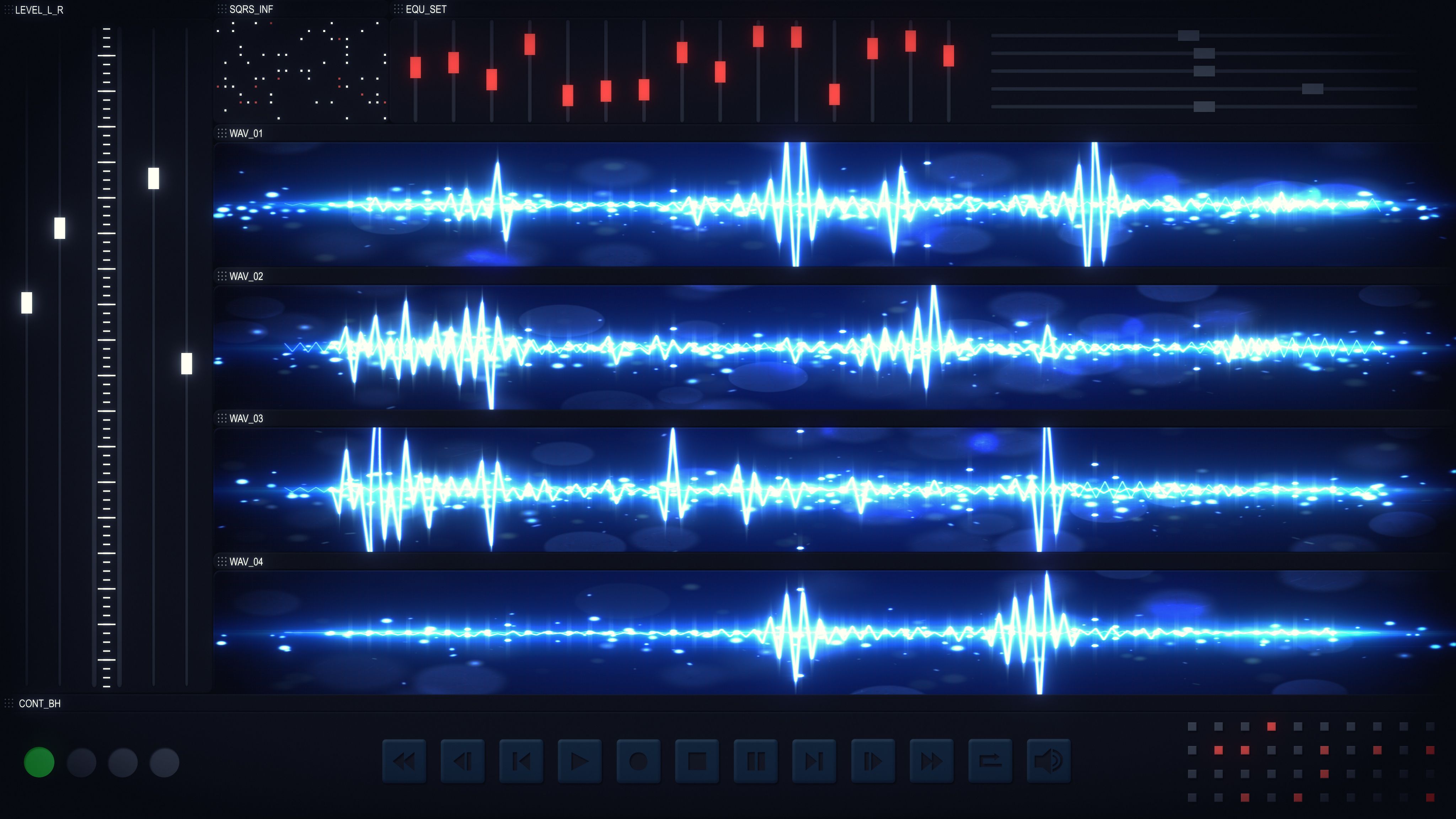
The next component is audio quality. Clear and balanced audio is essential for audience engagement. This includes checking dialogue clarity, background noise levels, and synchronization between audio and video.
Implementing a Quality Control Workflow
Pedro emphasizes the importance of establishing a structured workflow for quality control. A well-defined process not only streamlines the work but also ensures that no detail is overlooked. Here’s a basic outline of a quality control workflow:
- Initial review and identification of potential issues.
- Detailed analysis and correction of identified problems.
- Final review to ensure all corrections meet the required standards.
Tools and Techniques
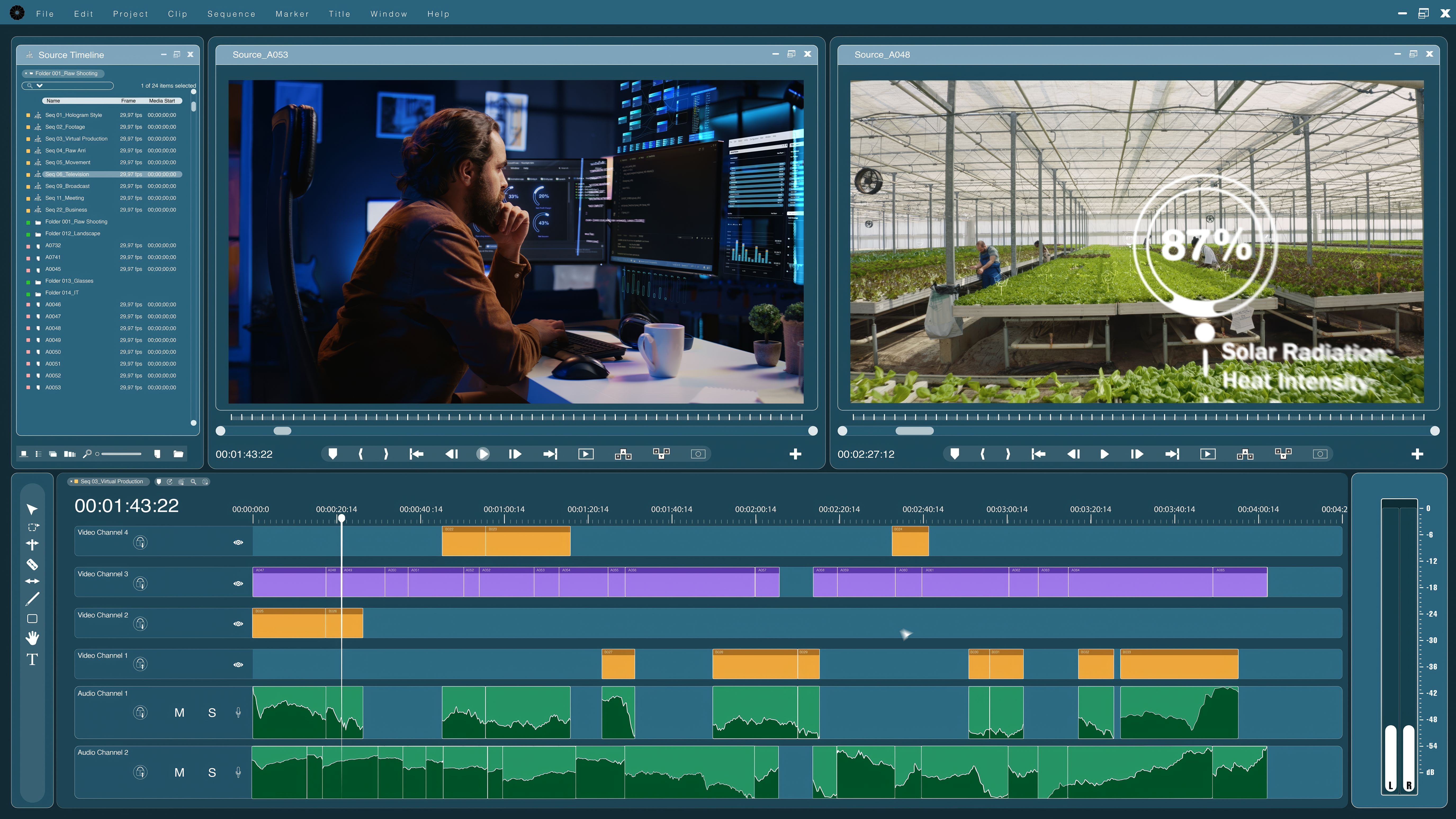
To facilitate the quality control process, Pedro recommends utilizing various tools and techniques. Software solutions like Adobe Premiere Pro and DaVinci Resolve offer robust features for editing and quality checks. Additionally, Pedro suggests leveraging industry-standard plugins to enhance audio and visual elements.
Common Pitfalls and How to Avoid Them
Even seasoned professionals can encounter pitfalls during quality control. One common issue is rushing the process, which can lead to overlooking subtle yet significant flaws. Pedro advises taking the time to meticulously review each element of the production.
Another pitfall is neglecting to involve multiple perspectives. Having fresh eyes review the project can help identify issues that might have been missed by the primary team. This collaborative approach can greatly enhance the final product.
Conclusion
In Pedro Pereira's guide, quality control is not just a step in the process but a crucial element that defines the success of a project. By understanding the components, implementing a structured workflow, and avoiding common pitfalls, filmmakers can ensure their final product is nothing short of exceptional. With dedication to detail and the right tools, quality control becomes an art form in itself, ensuring that every production is a masterpiece.