Pedro Pereira's Guide to Synchronization in Film Post-Production
PP
Understanding Synchronization in Film Post-Production
In the world of film post-production, synchronization is a pivotal process that ensures the seamless integration of audio and visual elements. Pedro Pereira, a seasoned expert in the field, provides valuable insights into how synchronization enhances the final product, creating a cohesive viewing experience.

The Importance of Synchronization
Proper synchronization is crucial for maintaining narrative continuity. It ensures that dialogue matches the actors' lip movements and that sound effects and music are perfectly timed with the visual elements. This harmony is essential for immersing the audience in the story.
Without synchronization, the viewer's attention could be disrupted, leading to a disjointed experience. Pereira emphasizes that achieving perfect sync is both an art and a science, requiring meticulous attention to detail.
Tools and Techniques
Pedro Pereira highlights several key tools and techniques used in film post-production to achieve synchronization. Digital audio workstations (DAWs) and video editing software are fundamental components. They allow editors to align audio tracks with video footage precisely.
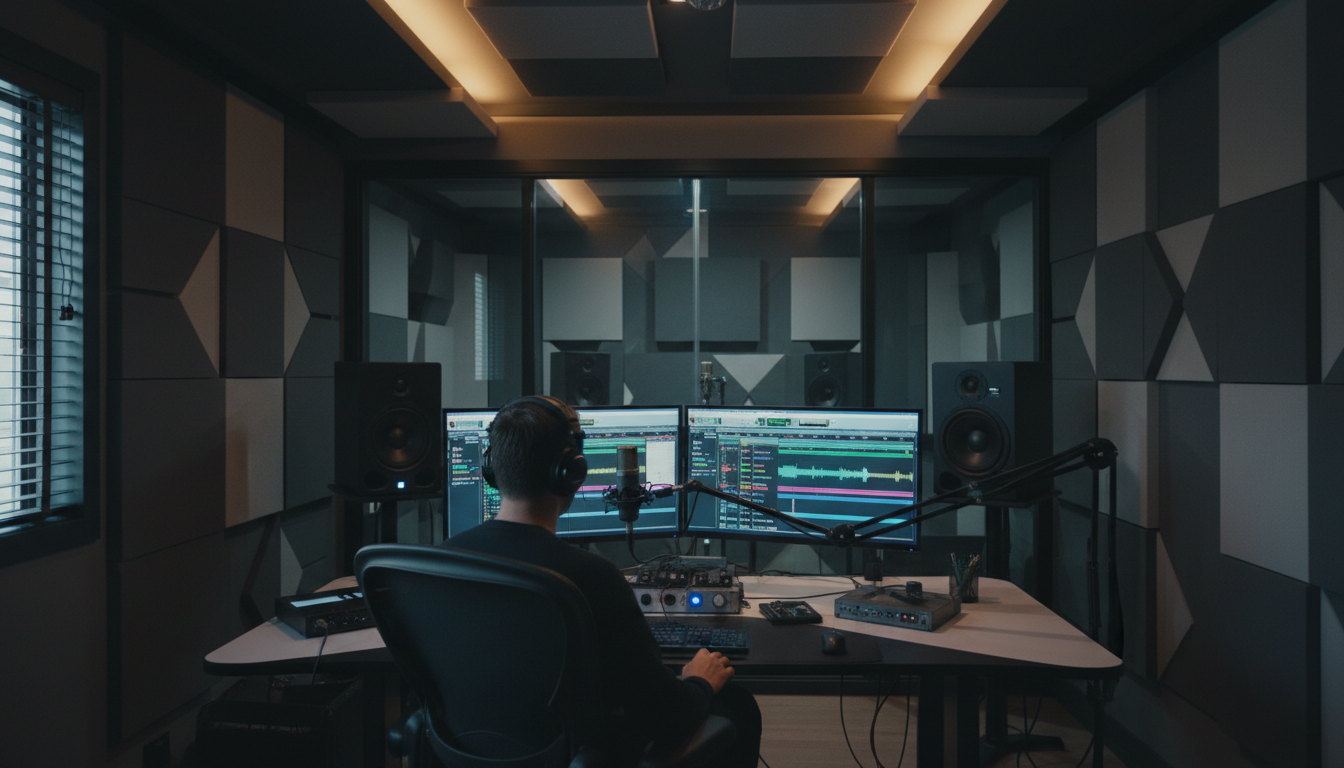
Timecode synchronization is another essential technique. By embedding timecode information into audio and video files, editors can match them accurately, ensuring frame-accurate synchronization. Pereira also mentions the use of clapperboards during filming to facilitate this process.
Challenges in Synchronization
Despite the availability of advanced tools, synchronization can present several challenges. Background noise, changes in ambient sound, and inconsistencies in dialogue recording can complicate the process. Pereira advises editors to remain adaptable and creative in finding solutions.
Another challenge is working with footage that was not shot with synchronization in mind. In such cases, editors may need to employ manual syncing techniques, which can be time-consuming but necessary for achieving the desired result.
Best Practices for Successful Synchronization
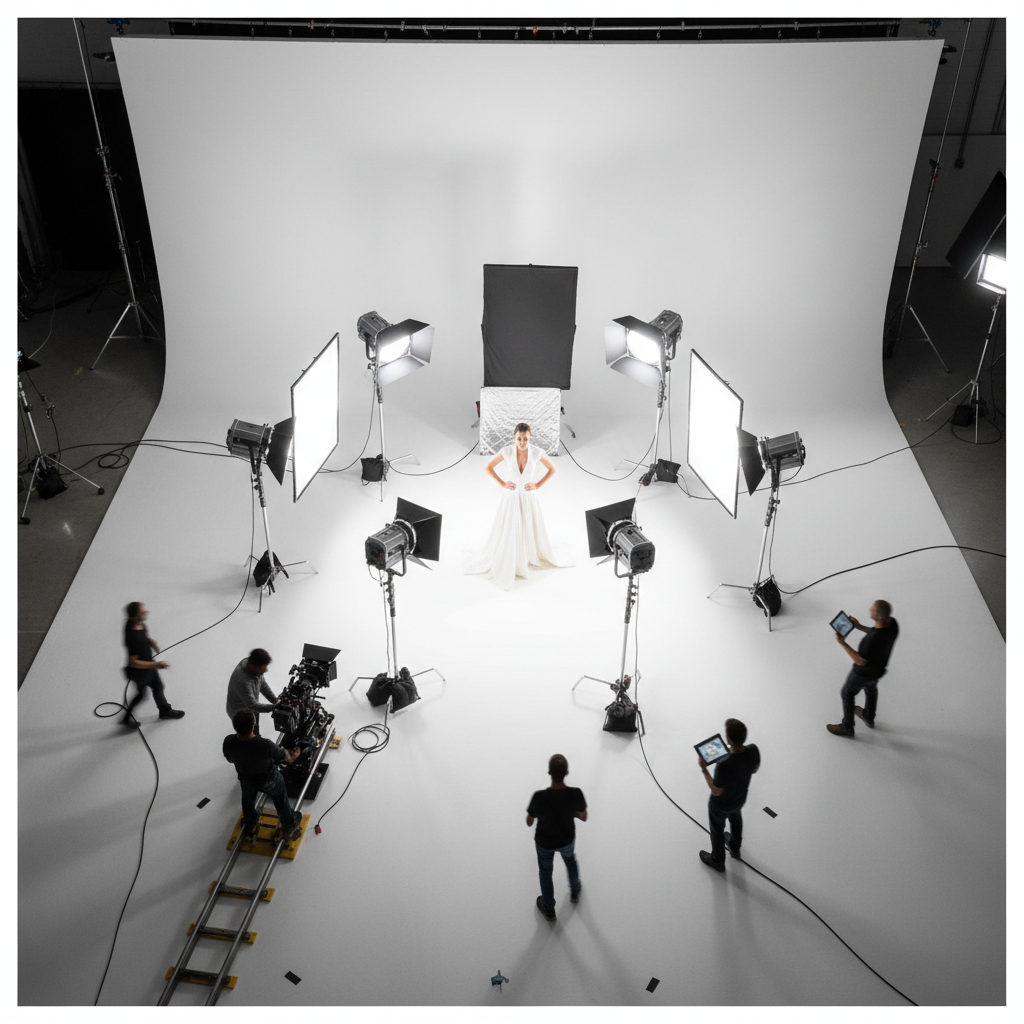
Pereira suggests several best practices to ensure successful synchronization. First, maintaining a well-organized workflow is essential. Labeling files and keeping track of different versions can prevent confusion and errors during the editing process.
Additionally, regular communication with the sound and video departments is crucial. By collaborating effectively with these teams, editors can address potential synchronization issues early in the post-production phase.
Conclusion
Pedro Pereira's guide to synchronization in film post-production offers invaluable insights for filmmakers and editors alike. By understanding the importance of synchronization, utilizing the right tools, and overcoming challenges, professionals can create films that captivate and engage audiences.
As technology continues to evolve, the art of synchronization will undoubtedly advance, offering new possibilities for creativity and storytelling in the film industry.