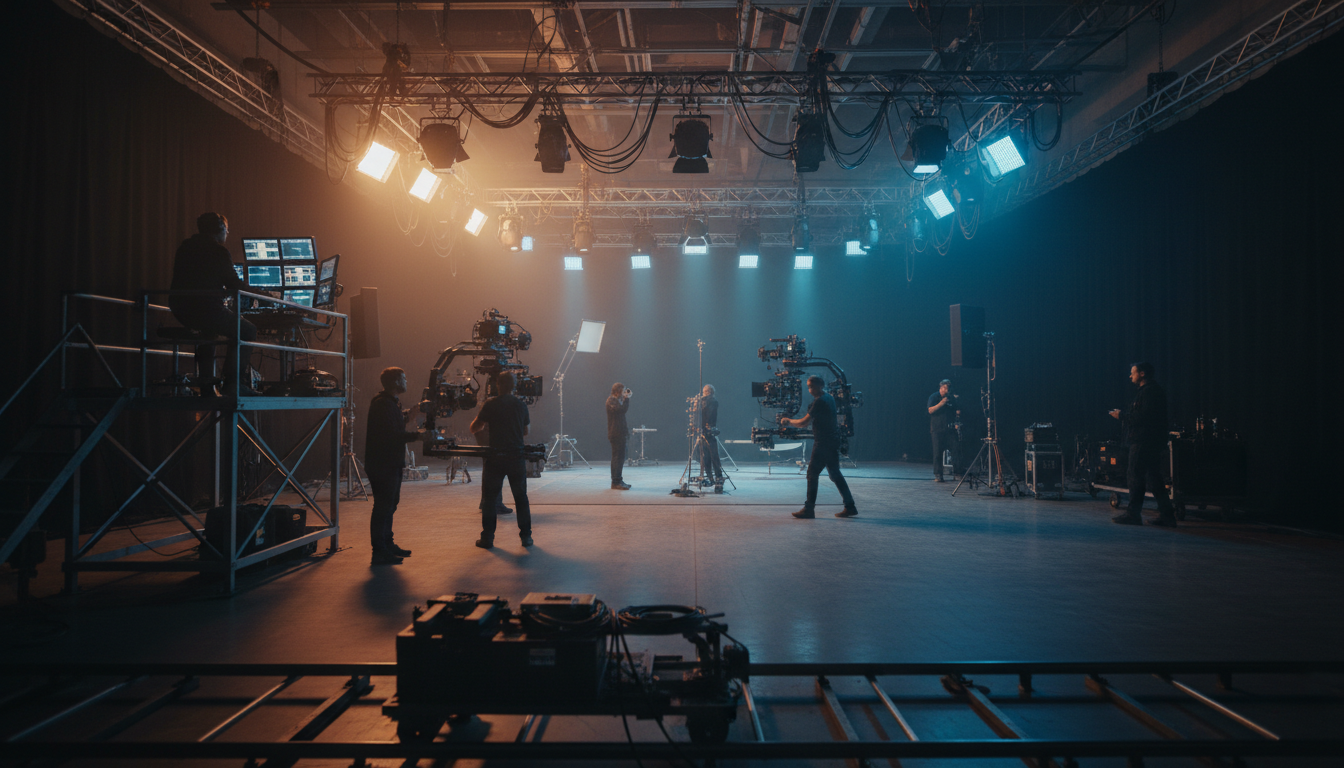
Quality Control in Post-Production: Ensuring Creative Integrity
PP
The Importance of Quality Control in Post-Production
Quality control in post-production is a vital component of the creative process, ensuring that the final product meets the desired standards and retains its creative integrity. Without stringent quality control measures, even the most creatively brilliant projects can fall short of their potential. By implementing effective quality control, producers and editors can ensure that their work is polished, professional, and true to the original vision.
Maintaining Consistency and Clarity
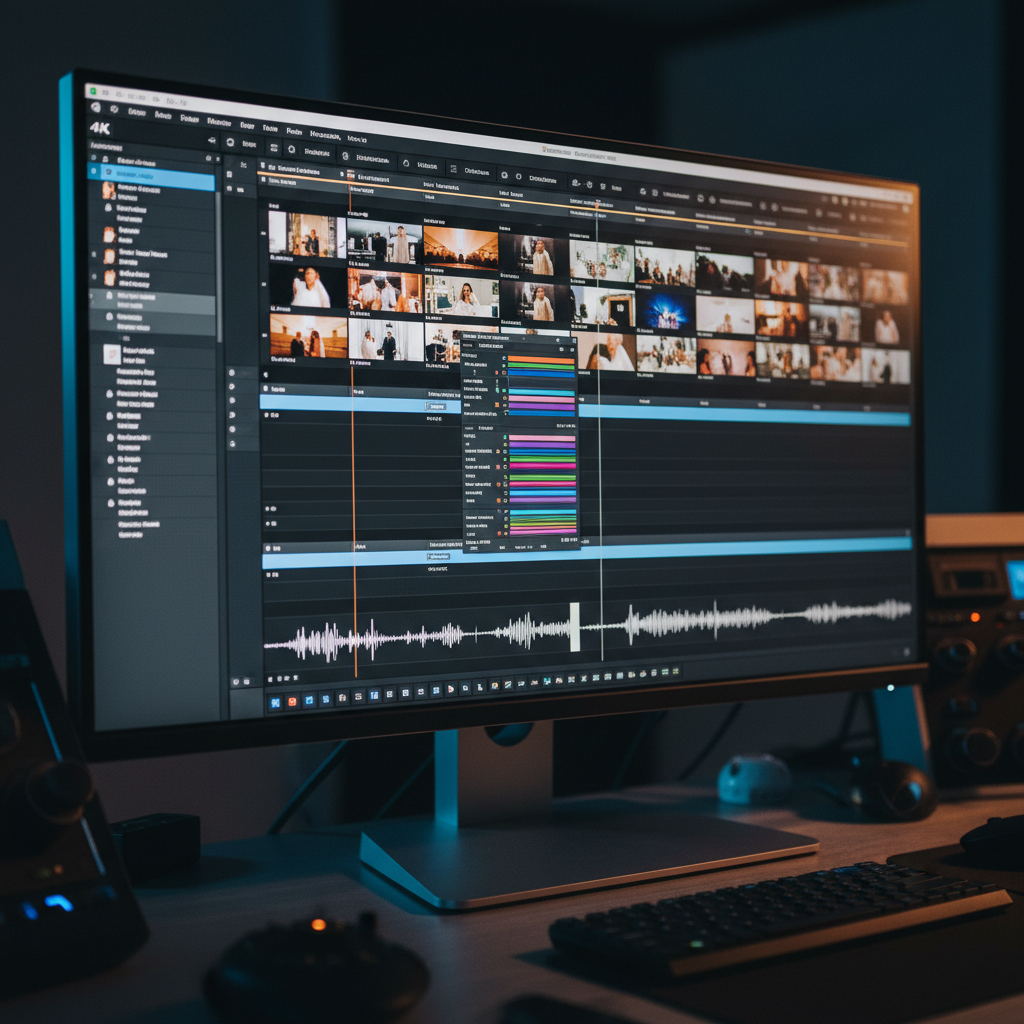
A key aspect of quality control is maintaining consistency throughout the project. This includes ensuring that colors, sound levels, and visual effects are uniform across all scenes. Consistency helps in delivering a cohesive narrative that engages the audience effectively. Additionally, clarity in audio and visuals ensures that the message is conveyed without any distractions or misunderstandings.
Quality control teams often use detailed checklists and guidelines to evaluate these elements. By systematically reviewing each aspect, they can catch inconsistencies or errors that might otherwise go unnoticed. This meticulous attention to detail ensures that the audience experiences the art as intended.
Protecting Creative Vision
Quality control is not just about correcting errors; it's about safeguarding the creative vision of the project. Editors and producers work closely with directors and creative leads to ensure that the final product aligns with their original intent. This collaboration is crucial for preserving the artistic essence and storytelling elements.

During this process, feedback loops are established to allow for iterative improvements. This collaborative effort helps in refining the product while staying true to its core message. Balancing technical perfection with creative intention is where quality control truly shines.
Tools and Techniques for Effective Quality Control
There are numerous tools and techniques available to assist with quality control in post-production. From advanced editing software to automated quality checks, technology plays a significant role in enhancing the process. These tools can quickly identify issues such as frame rate mismatches, audio sync problems, and more.
- Editing software with built-in quality checks
- Automated color grading tools
- Audio level monitoring systems
Role of Feedback and Review
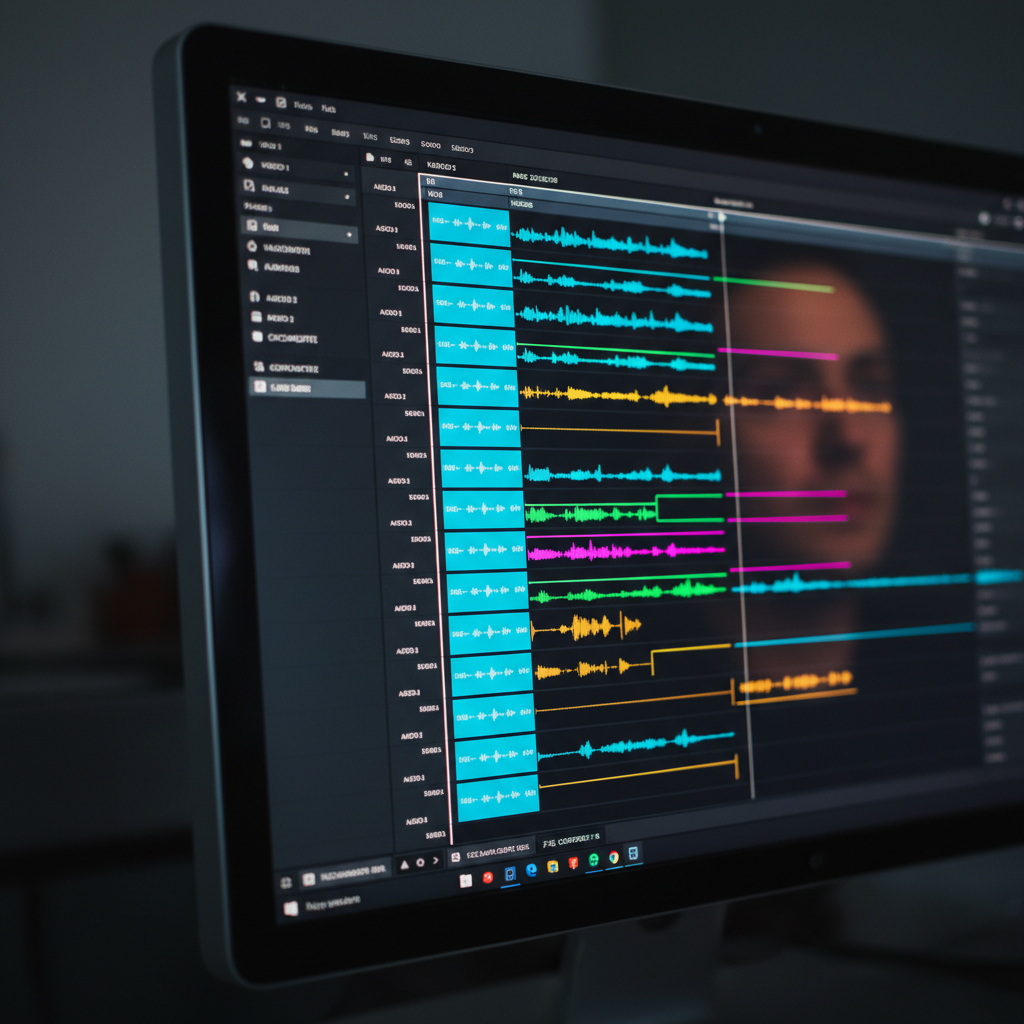
Feedback and review processes are integral to quality control. By involving multiple stakeholders, including clients, directors, and technical experts, teams can gather diverse insights. This collective feedback helps in refining the project and identifying areas for improvement.
Regular review sessions can also foster a culture of continuous improvement within the production team. By encouraging open communication and constructive criticism, teams can elevate the quality of their work and achieve greater creative success.
Conclusion: The Art of Balancing
Quality control in post-production is an art of balancing technical precision with creative vision. By implementing rigorous quality control measures, production teams can ensure that their projects are not only technically sound but also creatively fulfilling. This commitment to quality is what distinguishes outstanding work from the ordinary, leaving a lasting impression on audiences.