Scaling Global Distribution: The Role of Synchronization in Film
PP
The Importance of Synchronization in Global Film Distribution
In today's interconnected world, the film industry is no longer confined to local markets. With audiences spread across continents, scaling global distribution has become a vital aspect of a movie's success. One of the critical factors in achieving this is synchronization, which ensures that films are accessible and appealing to diverse audiences simultaneously.
Understanding Synchronization
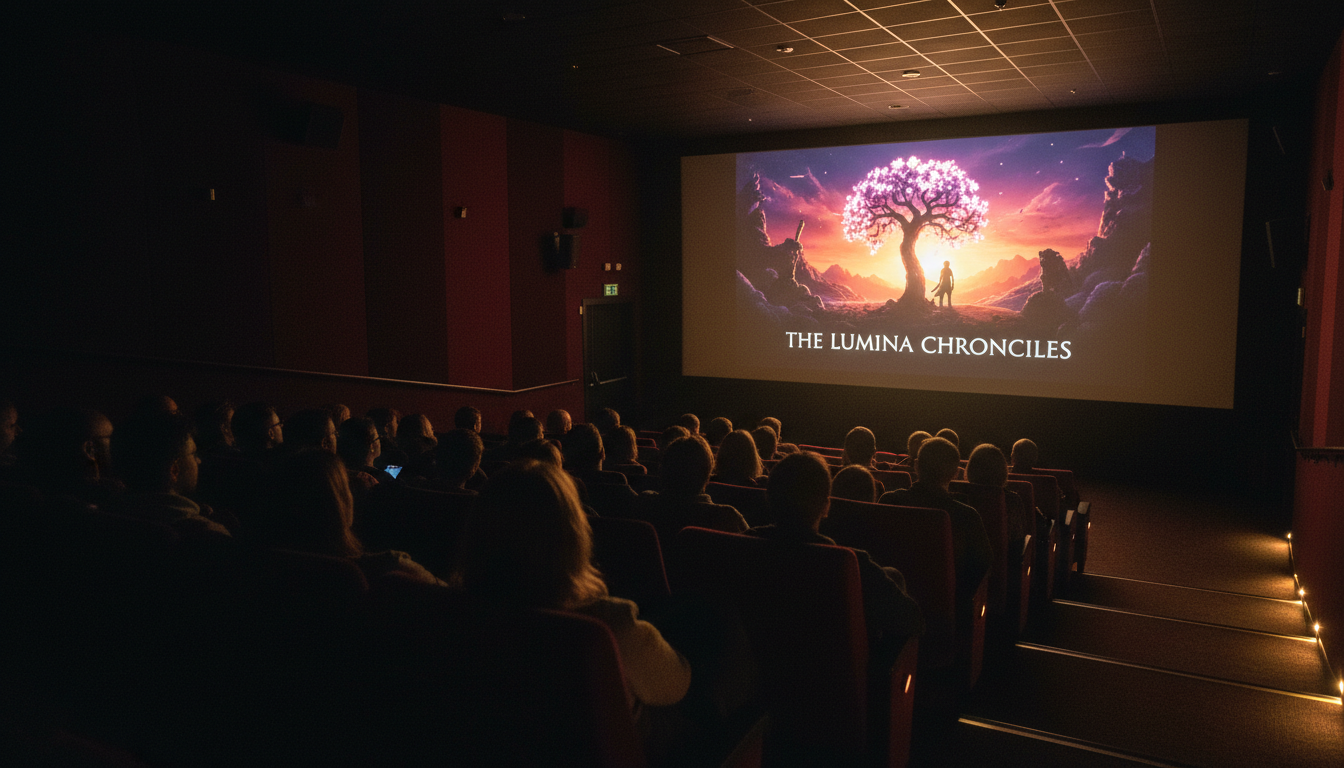
Synchronization in film distribution refers to the process of coordinating the release of a movie across multiple regions at the same time. This involves aligning language translations, cultural adaptations, and marketing strategies to create a cohesive global launch. By doing so, filmmakers can generate buzz and anticipation worldwide, avoiding the pitfalls of staggered releases that might dilute the impact.
Effective synchronization requires meticulous planning and execution. It involves collaboration between studios, distributors, and local experts to tailor content to regional preferences. This not only enhances audience engagement but also maximizes revenue potential by tapping into various markets simultaneously.
The Role of Technology
Advancements in technology play a crucial role in facilitating synchronization. Digital platforms and streaming services have revolutionized how films are distributed, allowing for worldwide releases with just a click. These platforms offer tools for real-time analytics and audience insights, enabling distributors to refine their strategies and cater to specific demographics effectively.
Moreover, technology aids in the seamless translation and subtitling of films, ensuring that language barriers do not hinder the viewing experience. This is particularly important in non-English-speaking regions where localization can significantly influence a film's reception.
Challenges in Synchronization
Despite its advantages, synchronization comes with its own set of challenges. Legal and regulatory differences across countries can complicate the distribution process. Additionally, piracy poses a significant threat, as unauthorized copies can leak before official releases, impacting box office performance.
- Managing cultural sensitivities
- Handling logistical complexities
- Ensuring consistent marketing messages
Addressing these challenges requires a robust strategy that includes risk assessment and contingency planning. By anticipating potential hurdles, distributors can mitigate risks and ensure a smooth rollout.
The Future of Global Distribution
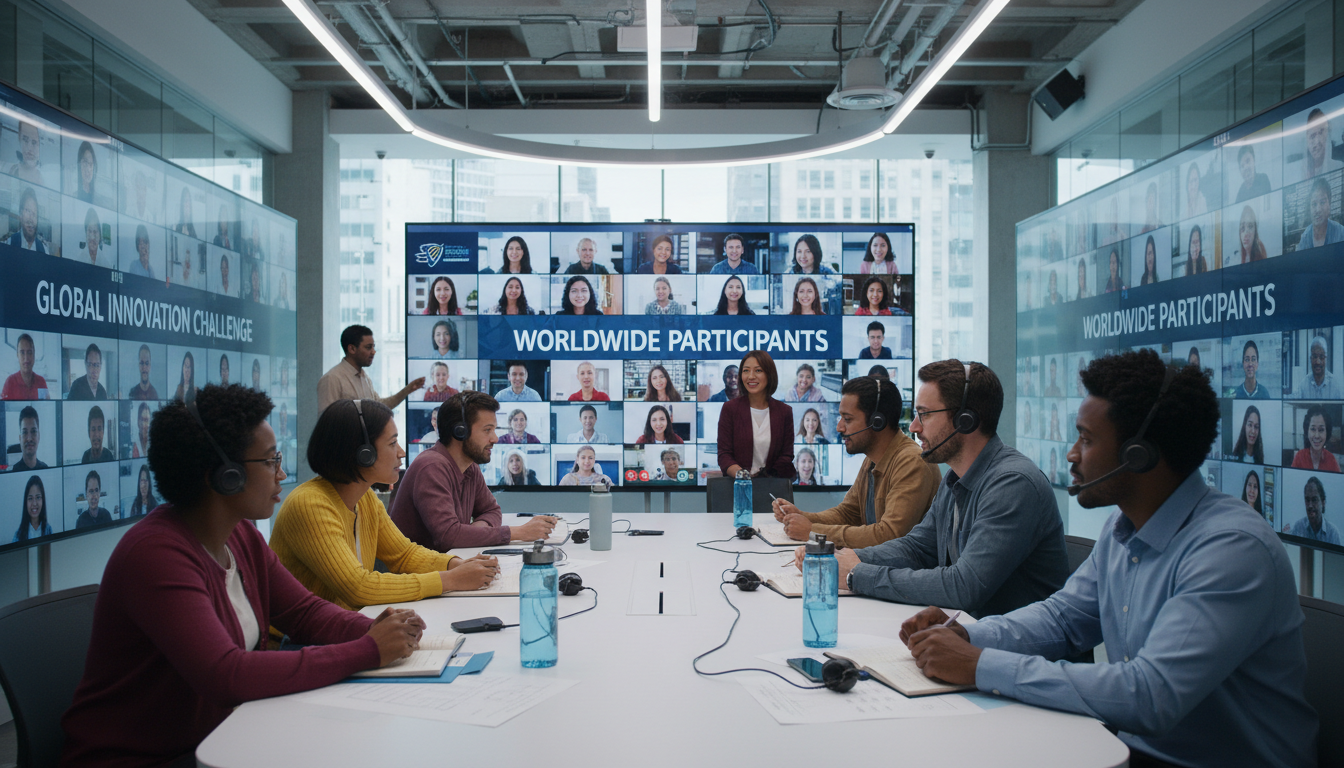
As the film industry continues to evolve, synchronization will remain a cornerstone of global distribution strategies. The increasing demand for diverse content will push studios to innovate and refine their approaches. Embracing new technologies and fostering international partnerships will be key to staying competitive.
In conclusion, synchronization in film distribution is more than just timing; it's about creating a unified experience for audiences worldwide. By aligning releases and leveraging technology, the film industry can continue to captivate global audiences and drive significant growth in the years to come.