Scaling Global Distribution Without Compromising Creativity: A Case Study
PP
Introduction
In today's fast-paced world, companies are increasingly looking to expand their reach globally. However, scaling global distribution while maintaining a creative edge can be challenging. This case study explores a company that successfully managed to do just that, offering insights and strategies applicable to businesses across various industries.
Understanding the Challenges
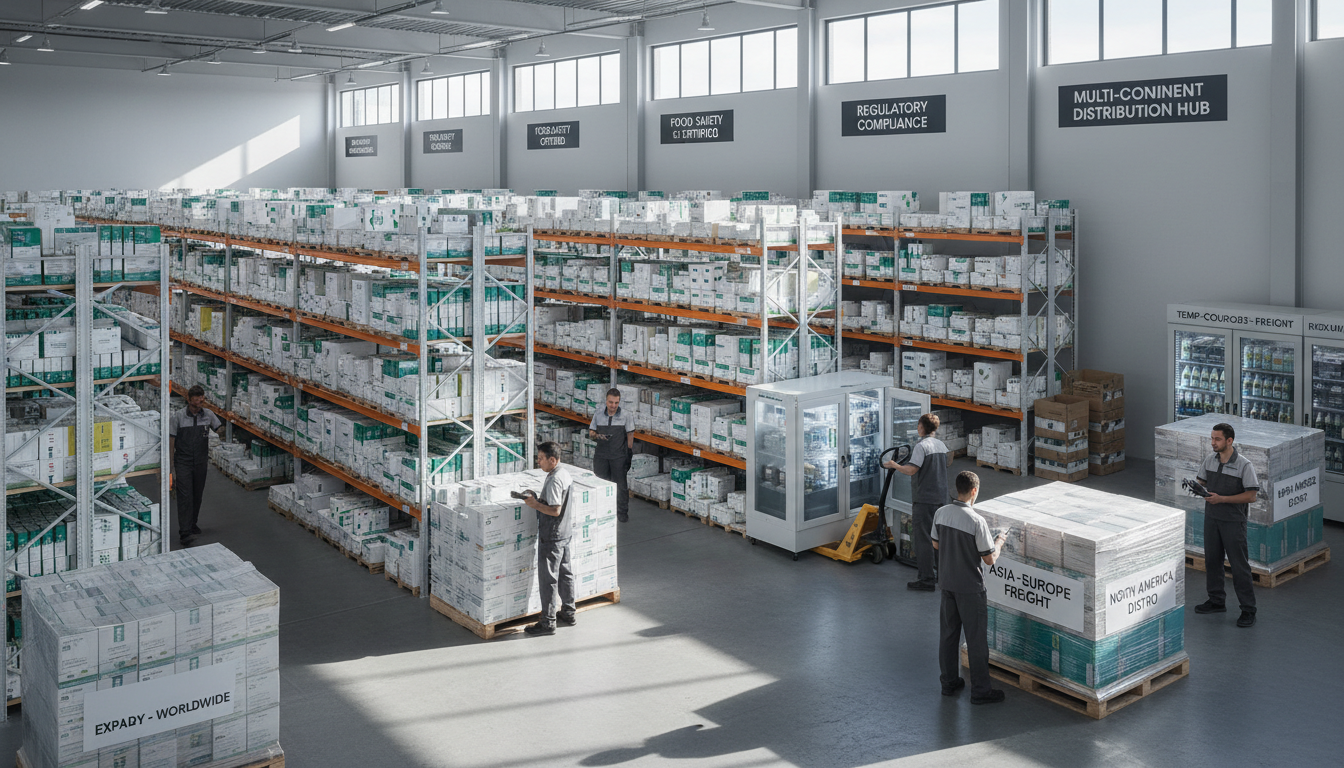
When it comes to global distribution, businesses often face numerous challenges. These include logistical complexities, cultural differences, and the need to maintain brand consistency across different markets. Each of these factors can pose a risk to a company's creative output if not managed properly.
Logistics can become a nightmare as companies grow beyond their domestic borders. The intricacies of shipping, customs, and local regulations require attention to detail and robust planning. Additionally, cultural differences necessitate a tailored approach to marketing and product design, which can strain creative resources.
Maintaining Creativity
One of the biggest fears for companies scaling globally is the potential loss of creativity. Creativity is the lifeblood of innovation and can be diluted when stretched across multiple regions. To combat this, the company in our case study implemented several strategies to preserve and even enhance their creative processes.

Strategies for Success
The company adopted a decentralized approach to creativity, empowering local teams to make decisions that resonate with their specific markets. This encouraged innovation and ensured that marketing campaigns were culturally relevant and engaging.
Another strategy was the integration of technology. By leveraging digital collaboration tools, teams across different regions could work together seamlessly, sharing ideas and resources without the need for physical proximity.
Building a Cohesive Brand
Despite the decentralized approach, maintaining a cohesive brand identity was crucial. The company achieved this by establishing clear brand guidelines that allowed for flexibility but ensured consistency in core messaging and visual elements.

Measuring Success
Success in global distribution is not just about reaching more customers; it's about engaging them effectively. The company utilized analytics tools to measure the impact of their campaigns, allowing them to refine their strategies and ensure that creativity was not compromised.
Through regular feedback loops and performance metrics, they could assess which initiatives were working and which needed adjustment, fostering a culture of continuous improvement.
Conclusion
The company's journey to scale global distribution without compromising creativity offers valuable lessons for businesses aiming to expand their reach. By embracing decentralization, leveraging technology, and maintaining a strong brand identity, companies can thrive in the global market.
Ultimately, the key lies in balancing the logistical demands of global distribution with the creative needs of local markets, ensuring that both aspects support and enhance each other.