The Art of Dialogue Adaptation: Techniques for Perfect Synchronization
PP
Understanding Dialogue Adaptation
Dialogue adaptation is a crucial skill in the world of film, television, and even video games. It involves translating or adapting dialogue from one language to another while maintaining the original tone, meaning, and context. This process requires a deep understanding of both the source and target languages, as well as cultural nuances.
Achieving perfect synchronization between the dialogue and on-screen actions is essential for creating an immersive experience for the audience. This synchronization ensures that the dialogue matches the characters' lip movements and body language, providing a seamless viewing experience.
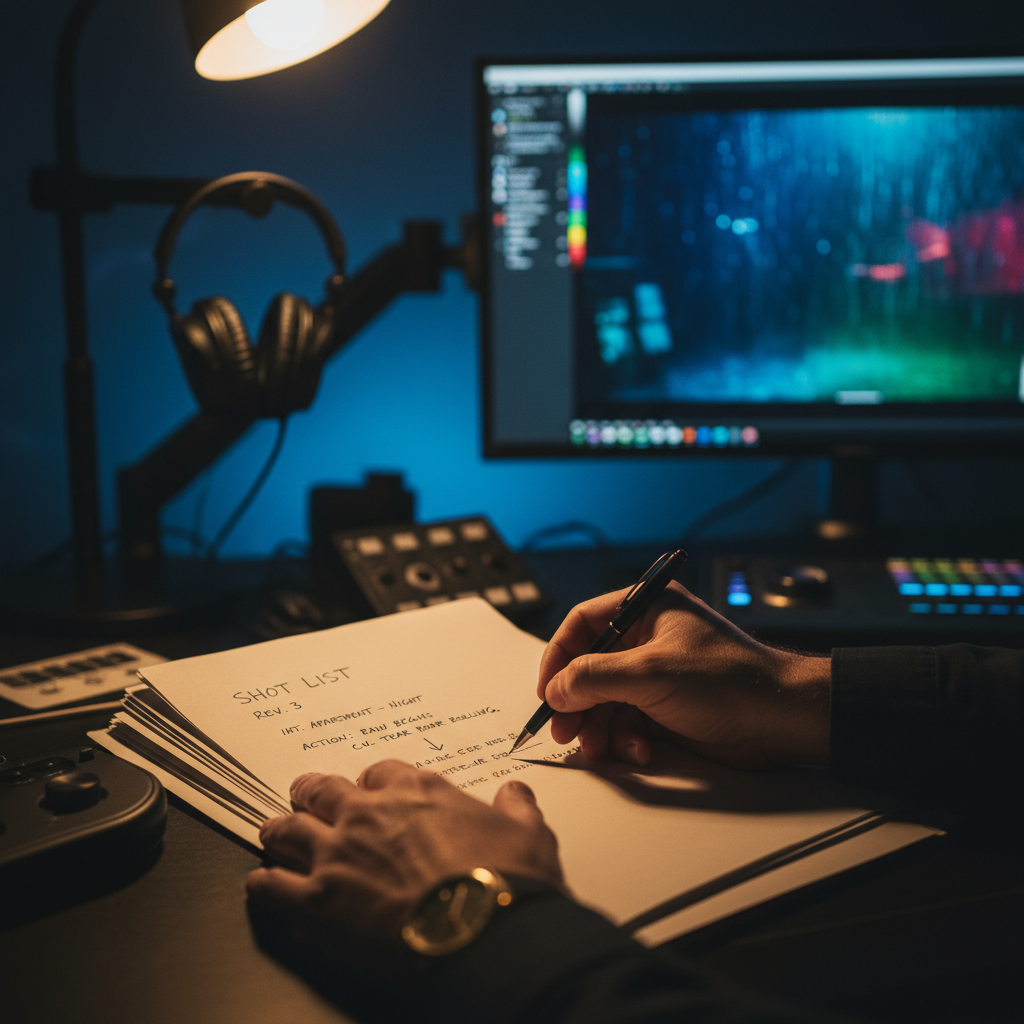
Techniques for Effective Synchronization
Lip-Syncing
Lip-syncing is a fundamental technique in dialogue adaptation. It involves carefully timing the translated dialogue to match the lip movements of the characters. This can be particularly challenging when the source and target languages have different sentence structures or lengths.
To achieve successful lip-syncing, adaptors often have to creatively modify the dialogue while preserving its original meaning. This may involve rephrasing sentences, adjusting the timing, or even altering certain expressions to fit the character's mouth movements.
Cultural Sensitivity
Another important aspect of dialogue adaptation is cultural sensitivity. It's essential to ensure that the adapted dialogue resonates with the target audience without losing the essence of the original content. This involves understanding cultural references, humor, and idiomatic expressions that may not have direct equivalents in the target language.
Tools and Technology
Advancements in technology have significantly aided the process of dialogue adaptation. Software tools can assist with timing, lip-syncing, and even voice modulation to ensure that the adapted dialogue is as natural as possible. These tools can analyze speech patterns and suggest modifications to improve synchronization.
However, technology alone cannot replace the human touch. Skilled adaptors must use their judgment and creativity to make nuanced decisions that technology might overlook.
Challenges and Solutions
Maintaining Original Tone
One of the biggest challenges in dialogue adaptation is maintaining the original tone and emotion of the dialogue. This requires a deep understanding of the source material and the ability to convey the same emotions in the target language. It's crucial to strike a balance between literal translation and creative adaptation.
Time Constraints
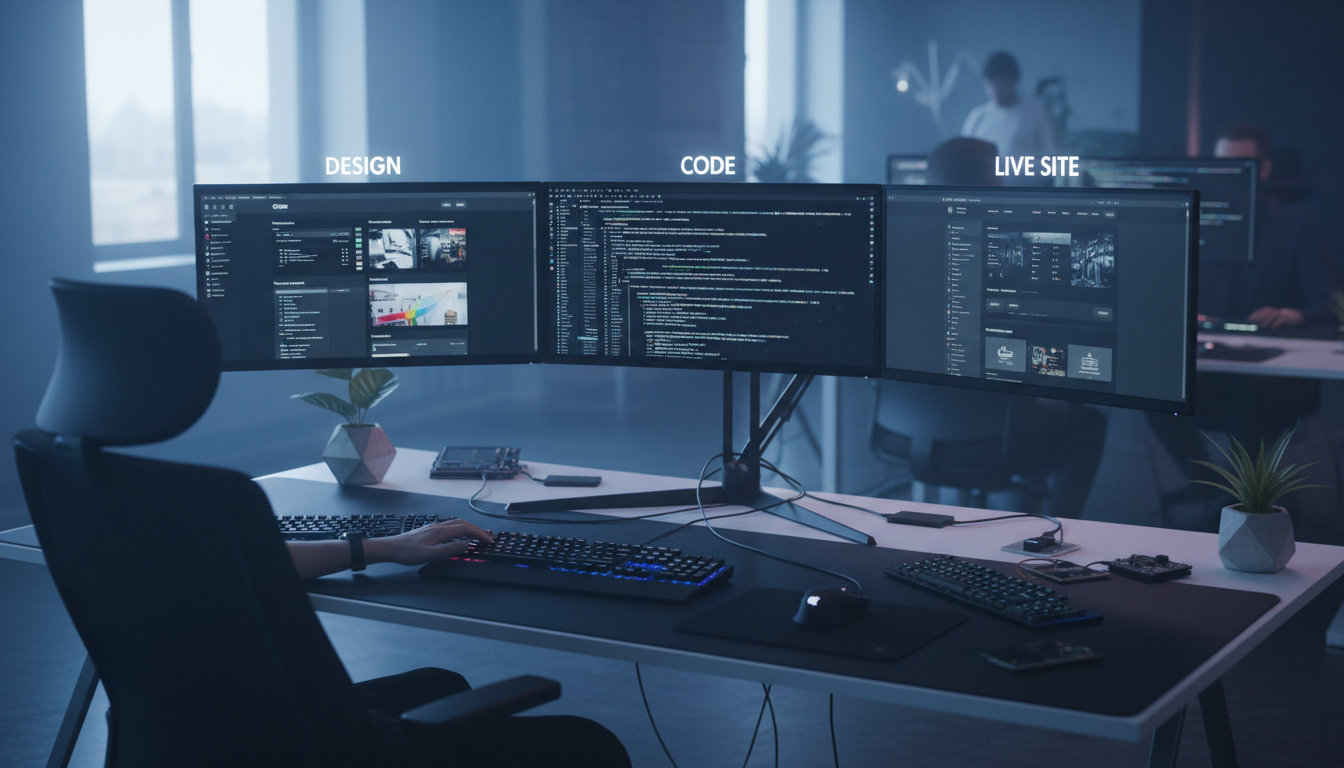
Time constraints can also pose significant challenges. Adapting dialogue for a film or TV show often involves tight deadlines, requiring adaptors to work efficiently without compromising on quality. Effective time management and collaboration with directors and voice actors are key to overcoming these challenges.
Ultimately, the art of dialogue adaptation is a blend of linguistic skill, cultural understanding, and creative problem-solving. Mastering these techniques can lead to a perfectly synchronized and engaging experience for audiences worldwide.