The Future of AI Localization in Film: Trends and Innovations
PP
The film industry is undergoing a transformative shift with the integration of artificial intelligence (AI) in localization. As audiences across the globe demand content in their native languages, AI is stepping up to meet these needs more efficiently and accurately than ever before. This blog post explores the current trends and innovations in AI localization in film, highlighting how they are shaping the future of the industry.
Revolutionizing Subtitle Generation
One of the most significant advancements in AI localization is the automation of subtitle generation. Traditional methods often require extensive manual work, but AI-powered tools can now generate subtitles with remarkable speed and precision. By leveraging natural language processing (NLP) and machine learning, these tools can create contextually accurate translations that maintain the original tone and intent of the dialogue.
Moreover, AI can adapt to various dialects and slang, which is crucial for producing culturally relevant subtitles. This not only saves time but also reduces costs for filmmakers, making it easier to reach international audiences.

Enhancing Dubbing Quality
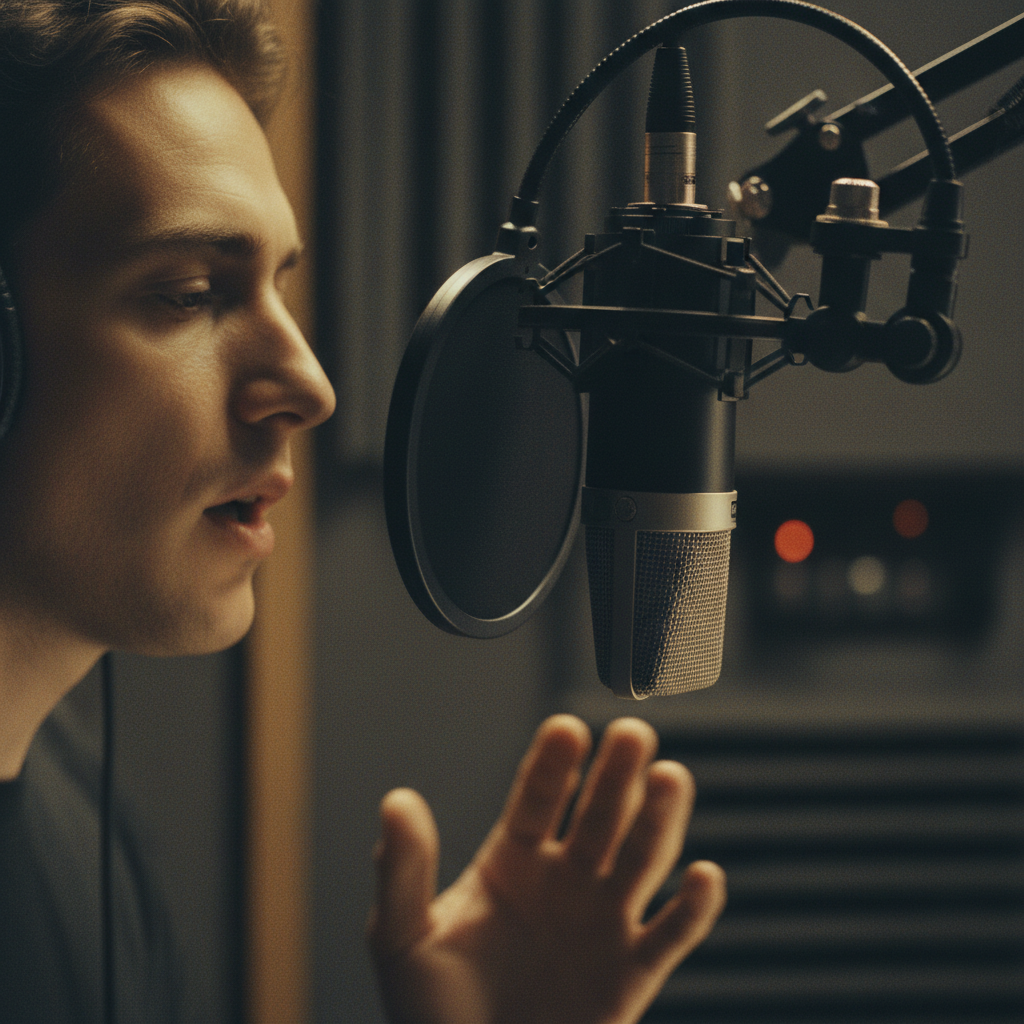
Dubbing is another area where AI is making significant strides. Traditionally, dubbing involved voice actors and extensive studio work. Now, AI-driven voice synthesis technology can produce high-quality dubbed audio that closely matches the original actors' voices. This innovation allows for faster production times and more consistent audio quality.
AI can also analyze the emotional tone of a scene and adjust voice modulation accordingly, ensuring that the dubbed content resonates with audiences as intended. This level of detail enhances the viewer's experience and improves engagement.
AI in Cultural Adaptation
Cultural adaptation is essential for the localization process, as it ensures that content is not only understood but also appreciated by diverse audiences. AI tools can analyze cultural nuances and suggest modifications to scripts or visual elements to align with the target audience's values and norms.
For example, an AI system might recommend altering specific cultural references or jokes that may not translate well across different regions. This ensures that the film remains both entertaining and respectful of cultural differences.
Streamlining Workflow with AI
AI is also transforming the workflow in film localization by automating repetitive tasks and providing real-time collaboration tools. Filmmakers can now utilize AI-driven platforms to manage translation, subtitle synchronization, and dubbing processes seamlessly.
These platforms often offer cloud-based solutions, allowing teams to collaborate from anywhere in the world. This flexibility not only speeds up the localization process but also enhances creativity by enabling diverse input and perspectives.
Challenges and Considerations
Despite the significant advancements, AI localization in film is not without its challenges. Ensuring accuracy and cultural sensitivity remains a complex task that requires human oversight. AI tools must be continually refined to address nuances that machines may not fully grasp.
Moreover, there is an ongoing debate about the ethical implications of AI in creative fields. Balancing technological innovation with human creativity and intuition is crucial as the industry moves forward.
The Road Ahead
The future of AI localization in film is bright, with continuous developments promising even more sophisticated tools and techniques. As AI technology evolves, so will its ability to deliver high-quality, culturally resonant content to global audiences.
Filmmakers and localization experts must embrace these innovations while remaining mindful of the human elements that make storytelling impactful. By doing so, they can create films that transcend borders and connect with viewers worldwide.