The Future of Audio Services: Trends in AI and Sound Mixing
PP
The Rise of AI in Audio Services
The integration of artificial intelligence in audio services is transforming the industry, offering new opportunities for creativity and efficiency. AI-driven tools are now capable of complex sound analysis, enabling producers to achieve high-quality results with less effort. This advancement is revolutionizing how audio content is created, edited, and distributed.
One of the most significant impacts of AI in audio services is the ability to automate processes that were previously time-consuming. Tasks such as noise reduction, audio restoration, and even mastering can now be performed with remarkable precision and speed. This not only saves time but also allows audio engineers to focus more on the creative aspects of their work.

Sound Mixing and Personalization
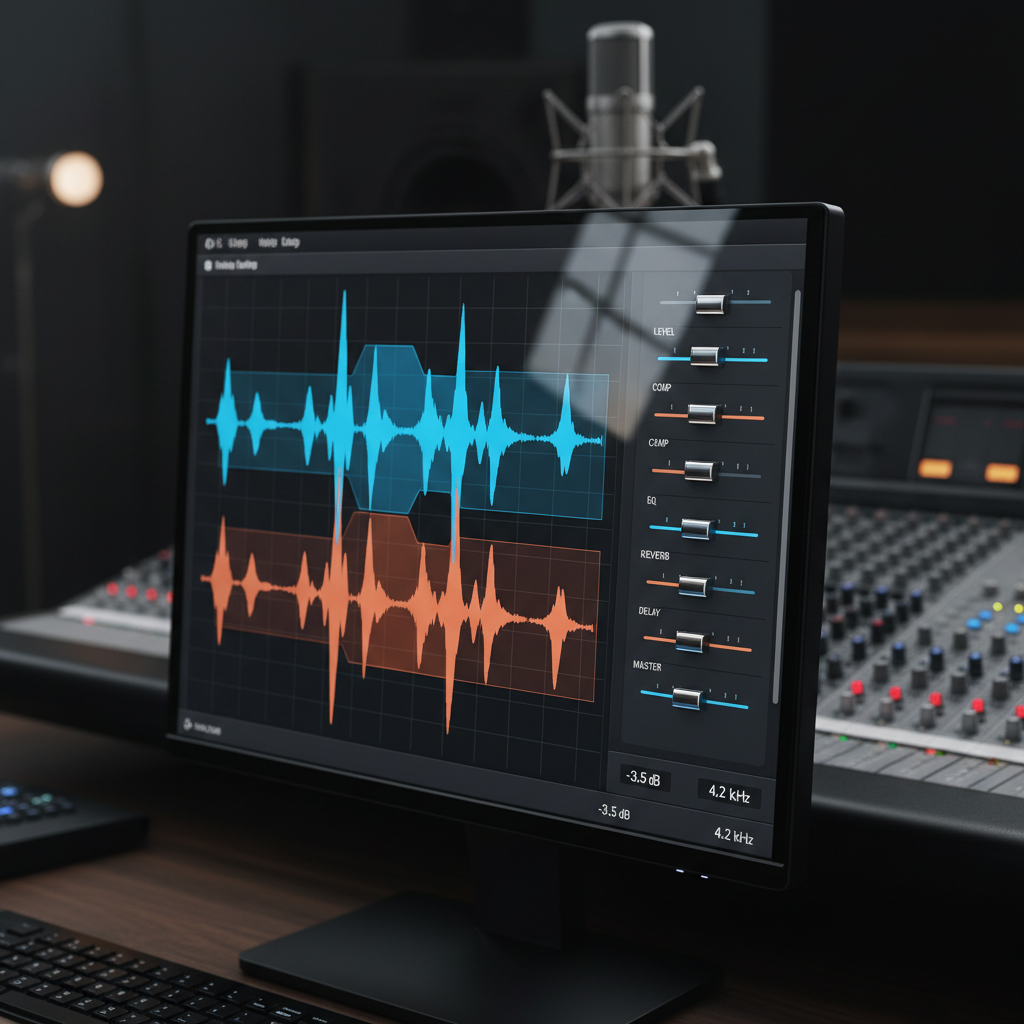
Sound mixing is another area where AI is making its mark. Advanced algorithms can analyze audio tracks and suggest optimal mixing strategies, tailored to specific genres or listener preferences. This personalization enhances the listener experience, making it more immersive and engaging.
Moreover, AI-powered sound mixing tools are increasingly being used in live performances and broadcasts. They can adapt in real-time to changes in the environment, ensuring consistent audio quality. This adaptability is crucial in dynamic settings, where traditional methods may struggle to keep up.
Emerging Trends in Audio Content
As AI continues to evolve, we are witnessing exciting trends in audio content creation. Podcasts, audiobooks, and music are all benefiting from AI innovations. For example, AI can generate realistic voiceovers, allowing creators to produce content in multiple languages without the need for additional voice actors.
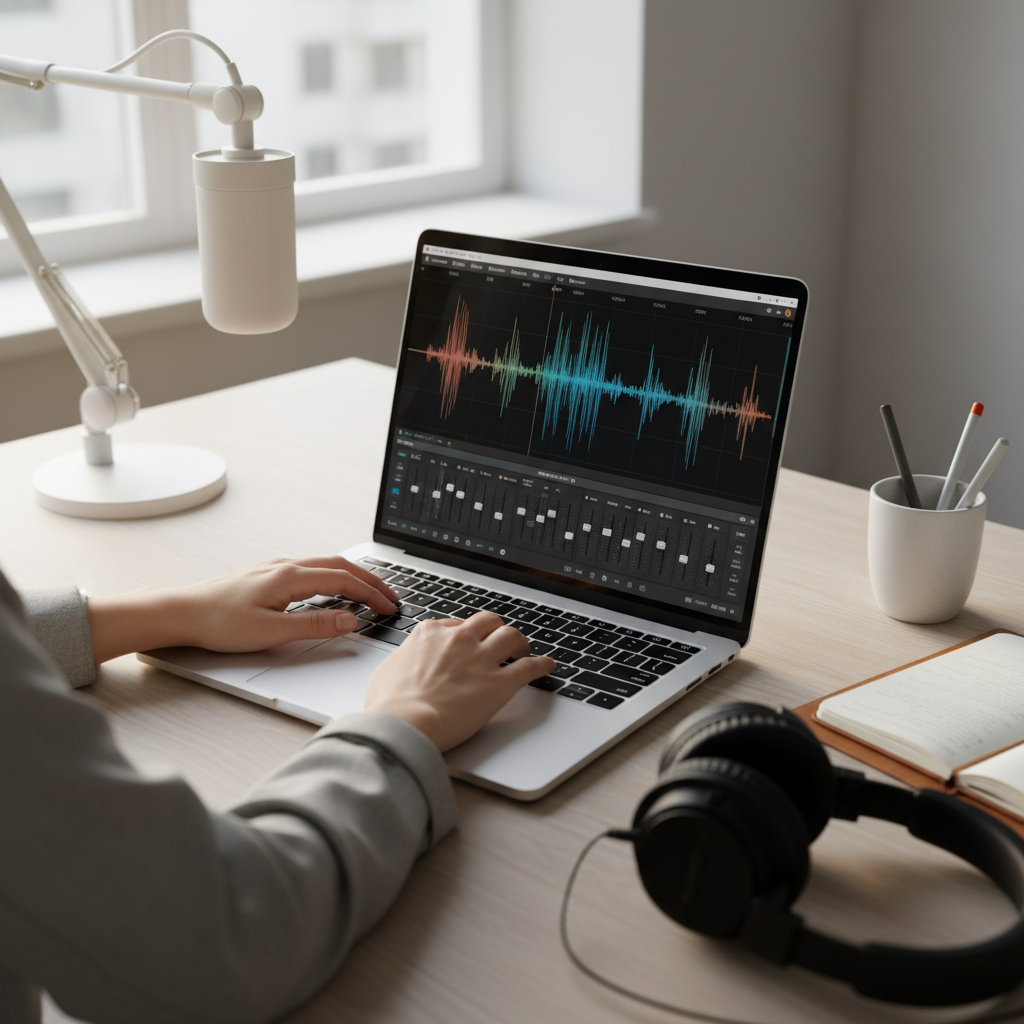
In the music industry, AI is being used to compose original pieces, offering artists new ways to experiment and innovate. These AI-generated compositions can serve as inspiration or be integrated into larger works, expanding the creative possibilities for musicians.
The Future of Audio Technology
Looking ahead, the future of audio services seems promising with the continuous development of AI technologies. We can expect even more sophisticated tools that will further enhance sound quality and creativity. These advancements will likely lead to new forms of audio content that we can't yet imagine.
As AI becomes more integrated into everyday audio production, it will be essential for professionals to stay updated with these trends. Embracing AI-driven tools can provide a competitive edge, allowing for more innovative and efficient workflows.
Challenges and Considerations
Despite the benefits, the rise of AI in audio services also presents challenges. Concerns about copyright and the authenticity of AI-generated content are prevalent. Ensuring ethical use and maintaining a balance between technology and human creativity is crucial.
Moreover, as AI tools become more widespread, the industry must address issues related to data privacy and security. Protecting user data while leveraging AI's capabilities will be a key consideration moving forward.
Overall, the future of audio services is intertwined with AI, offering exciting possibilities and challenges. By understanding and adapting to these changes, audio professionals can harness the full potential of this technology.