The Role of Synchronization in Post-Production: Ensuring Seamless Dubbing
PP
The Importance of Synchronization in Post-Production
In the world of filmmaking, post-production is where the magic truly happens. One of the most crucial aspects of this stage is synchronization, especially when it comes to dubbing. Ensuring that the audio matches the visual elements seamlessly is vital for creating a believable and engaging viewing experience.
Synchronization involves aligning dialogue and sound effects with the on-screen action. This process is essential in maintaining the narrative flow and ensuring that the audience remains immersed in the story. A well-synchronized film can significantly enhance the audience's emotional connection to the story.

The Challenges of Dubbing
Dubbing presents unique challenges, as it requires the replacement of original dialogue with audio in another language. This process demands precise timing and attention to detail. The new audio must align perfectly with the actors' lip movements and the timing of the original scenes.
Moreover, cultural differences can complicate dubbing. Translations need to capture the nuances of the original dialogue, which often involves adapting idioms and expressions that may not have direct equivalents in the target language.
Tools and Techniques for Effective Synchronization
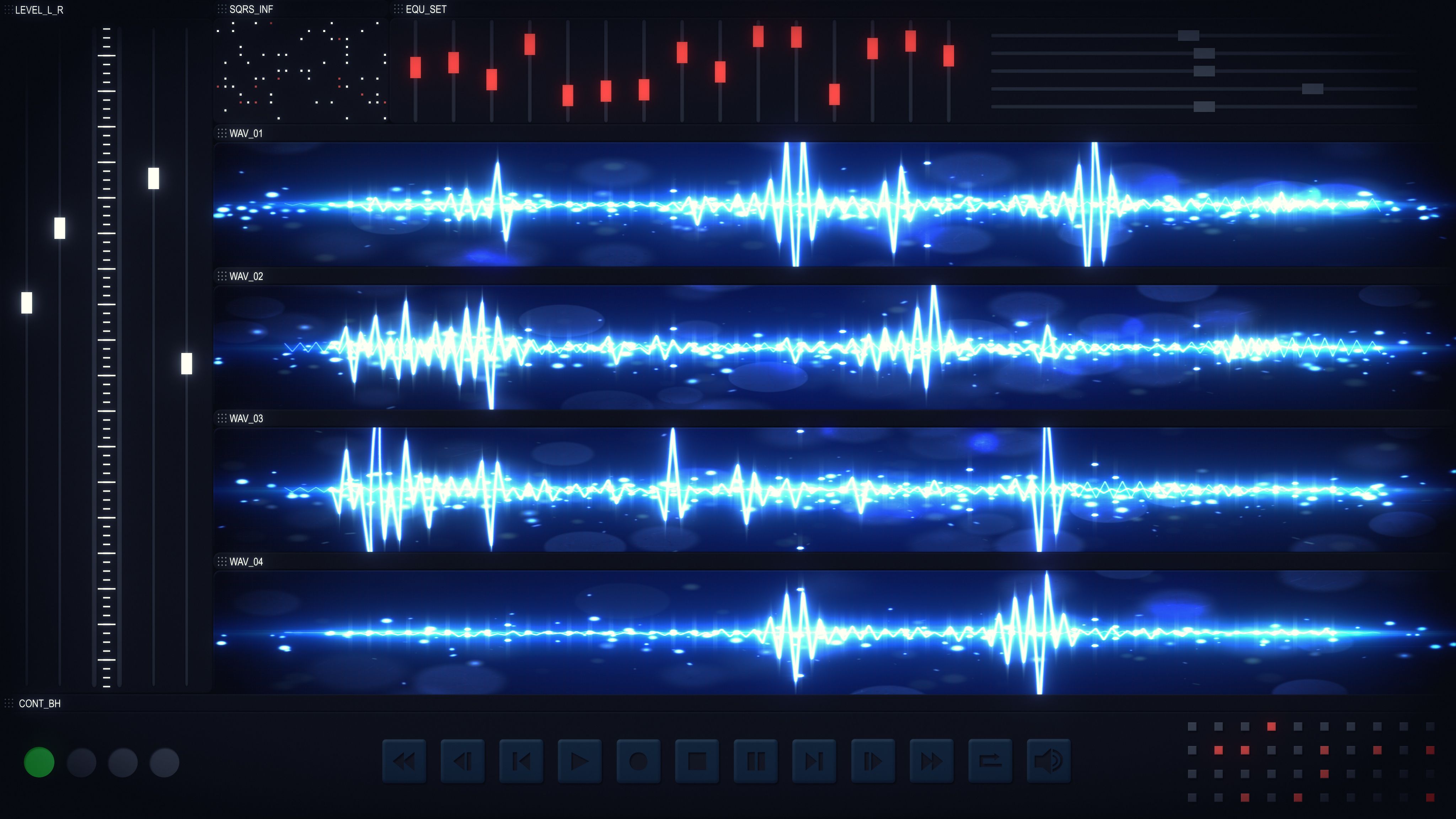
To achieve seamless synchronization, post-production teams use a variety of tools and techniques. Software programs like Avid Pro Tools and Adobe Audition offer sophisticated features for audio editing and synchronization. These tools allow editors to adjust timing, pitch, and other audio elements with precision.
Additionally, meticulous planning is crucial. Editors often work closely with translators and voice actors to ensure that the dubbed dialogue matches the original script's intent and timing. This collaboration helps maintain the film's authenticity and emotional impact.
Steps in the Synchronization Process
The process of synchronization in dubbing typically involves several key steps:
- Script Translation: Translating the original script while maintaining its meaning and tone.
- Voice Casting: Selecting voice actors whose vocal qualities match the original actors.
- Recording: Recording the new dialogue with precise timing to match the on-screen action.
- Editing: Adjusting the audio to fit perfectly with the visual elements.
Each step requires attention to detail and a commitment to preserving the film's original spirit.
The Role of Technology
Technology plays a significant role in overcoming the challenges of synchronization. Advanced algorithms and machine learning are increasingly being used to automate parts of the synchronization process. These technologies help streamline workflow and reduce the time and effort required for manual adjustments.
Despite technological advancements, human expertise remains irreplaceable. Editors and sound engineers bring creativity and intuition to the process, ensuring that the final product resonates with audiences on an emotional level.

Conclusion
Synchronization in post-production, particularly in dubbing, is a vital component of filmmaking. It ensures that the audience experiences the film as intended, regardless of language barriers. Through a combination of advanced technology and human skill, post-production teams craft seamless and immersive viewing experiences that captivate audiences worldwide.
As the industry continues to evolve, the importance of synchronization will only grow, highlighting the need for skilled professionals dedicated to perfecting this intricate art.