Why Quality Control in Audio Post-Production Matters
PP
The Importance of Quality Control in Audio Post-Production
In the world of audio post-production, quality control is a crucial step that ensures the final product meets the highest standards. Whether it's for film, television, music, or podcasts, maintaining impeccable audio quality can significantly impact the overall experience for the audience.
Quality control involves a detailed review process that identifies and corrects any audio issues such as distortions, inconsistencies, or unwanted noise. This meticulous approach is what separates amateur productions from professional ones.
Enhancing the Audience Experience
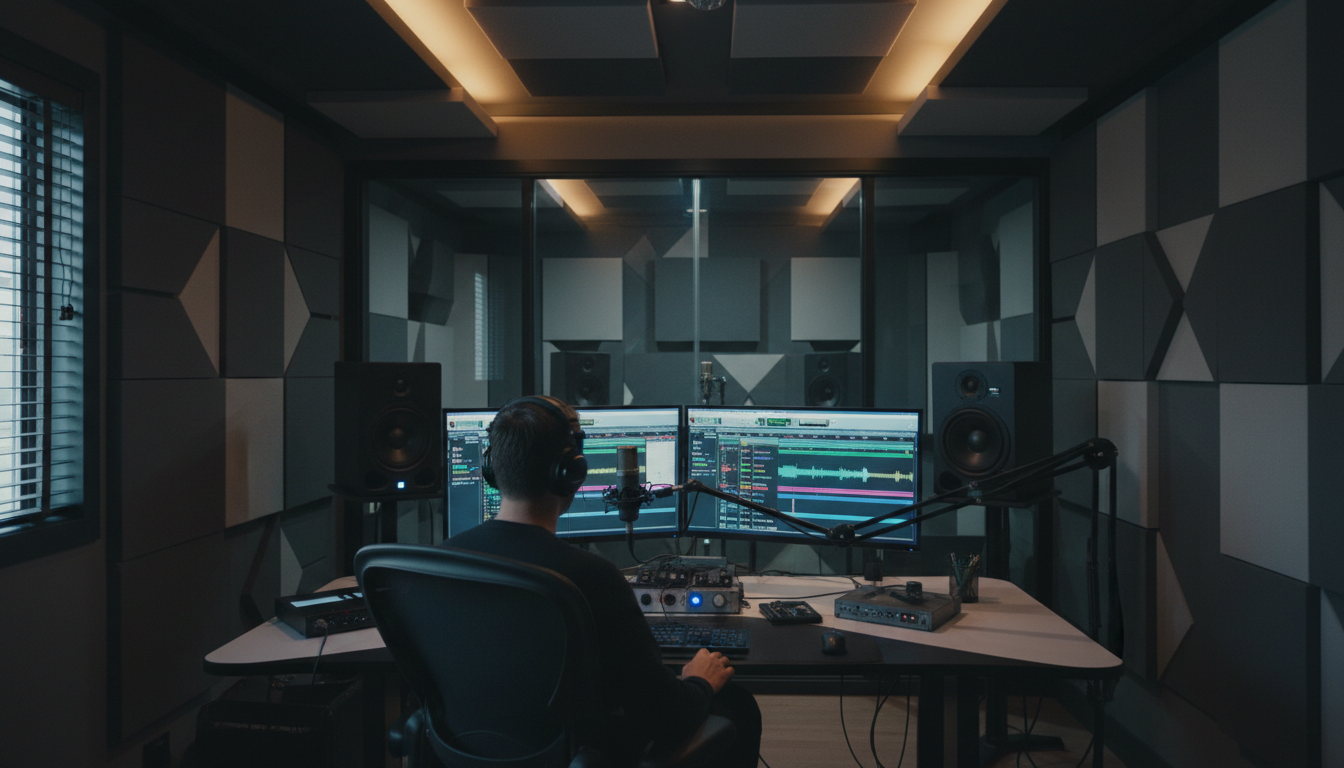
The primary reason quality control is vital in audio post-production is to enhance the audience experience. High-quality audio can evoke emotions, create an immersive environment, and ensure clear communication of the intended message. Poor audio quality, on the other hand, can distract and disengage the audience.
By implementing rigorous quality control measures, producers can ensure that every sound element is perfectly balanced, allowing the audience to fully appreciate the content without any disruptions.

Consistency Across Platforms
With content being consumed across various platforms, maintaining consistency in audio quality is essential. Quality control processes ensure that the audio sounds great whether it's played through high-end speakers, headphones, or even standard mobile devices.
This consistency helps in building a reliable brand image and ensures that the audience receives the same high-quality experience, regardless of how they access the content.
Technical Precision
Quality control in audio post-production also involves technical precision. This includes ensuring that audio levels are within acceptable ranges, stereo channels are correctly balanced, and effects are applied appropriately. These technical elements contribute to the overall clarity and professionalism of the audio.
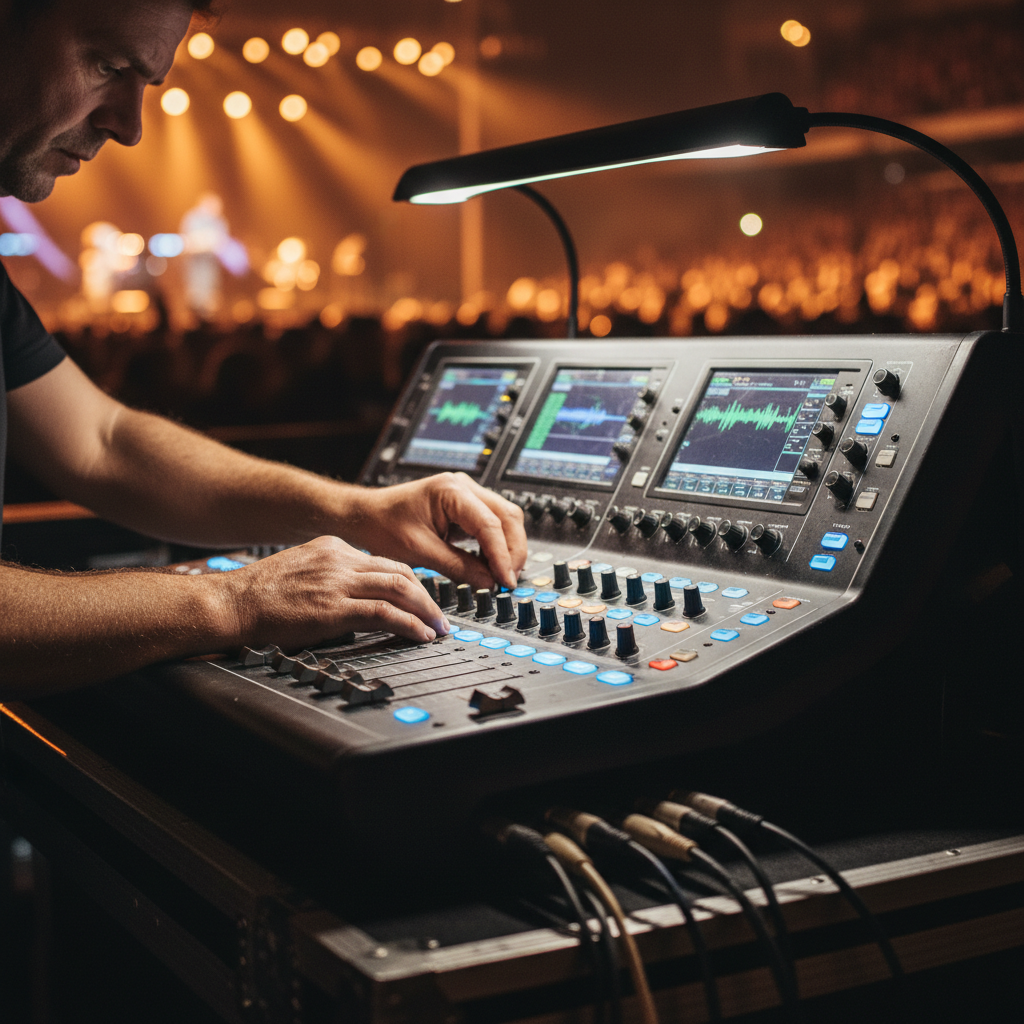
Technicians and producers often use specialized software and tools to identify and rectify any anomalies, ensuring that the final product is polished and refined.
Protecting Artistic Integrity
Another crucial aspect of quality control is protecting the artistic integrity of the piece. Sound design is a form of art, and every element is carefully chosen to evoke specific emotions and support the narrative. Quality control ensures that these artistic choices are preserved without unintended alterations.
By maintaining the original vision, quality control helps in delivering a product that aligns with the creator's intent, enhancing both storytelling and audience engagement.
Conclusion
In conclusion, quality control in audio post-production is not just about fixing errors; it's about ensuring excellence. It enhances the audience experience, maintains consistency, ensures technical precision, and protects artistic integrity. Investing in quality control processes is essential for anyone looking to produce professional-grade audio content.
By prioritizing these measures, producers can confidently deliver audio that captivates and resonates with their audience, leaving a lasting impression.