Why Quality Control is Crucial in Audio Production
PP
The Importance of Quality Control in Audio Production
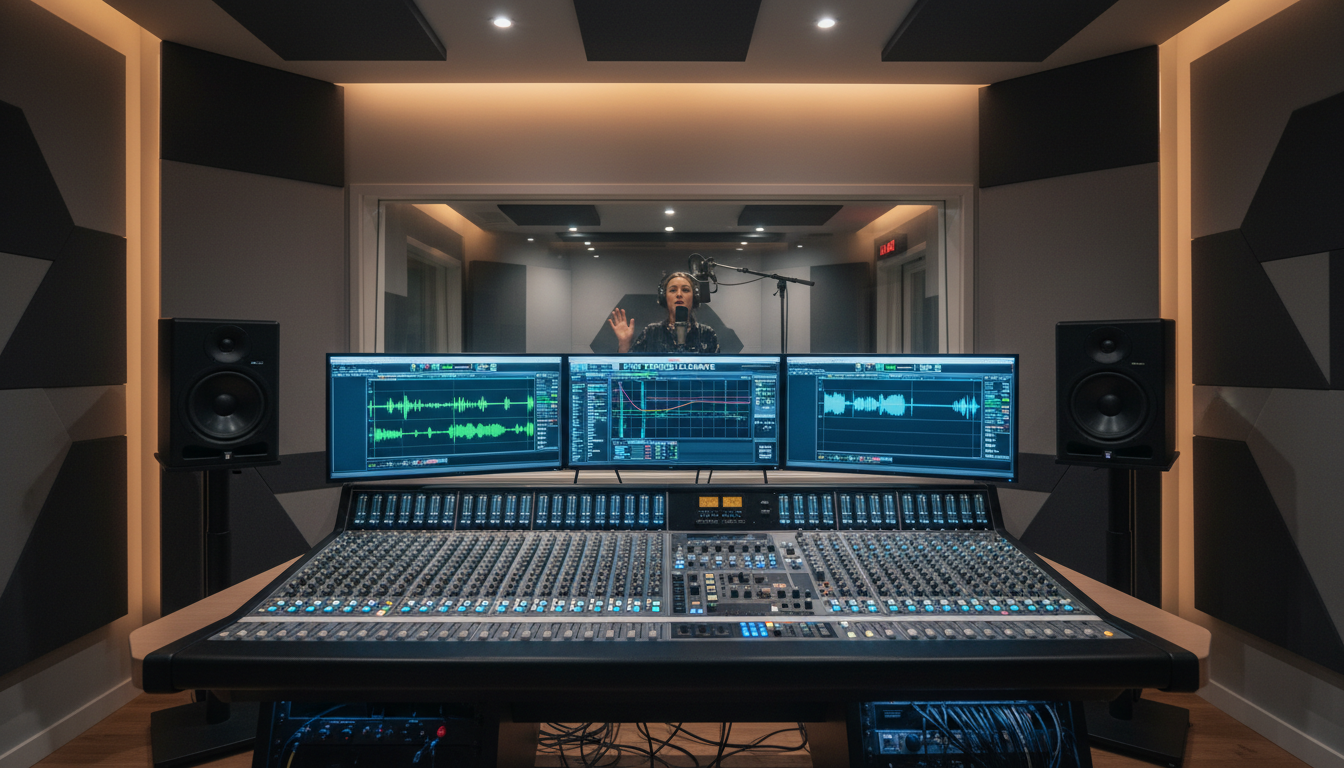
In the world of audio production, quality control is a pivotal aspect that ensures the final product is not only consistent but also meets industry standards. Without a robust quality control process, even the most creative projects can fall short of expectations, leading to unsatisfied clients and audiences.
Quality control in audio production involves scrutinizing every element of the audio to identify and rectify errors. This process enhances the overall sound quality, ensuring that the audio is clear, balanced, and free from any technical glitches.
Consistency Across Different Platforms
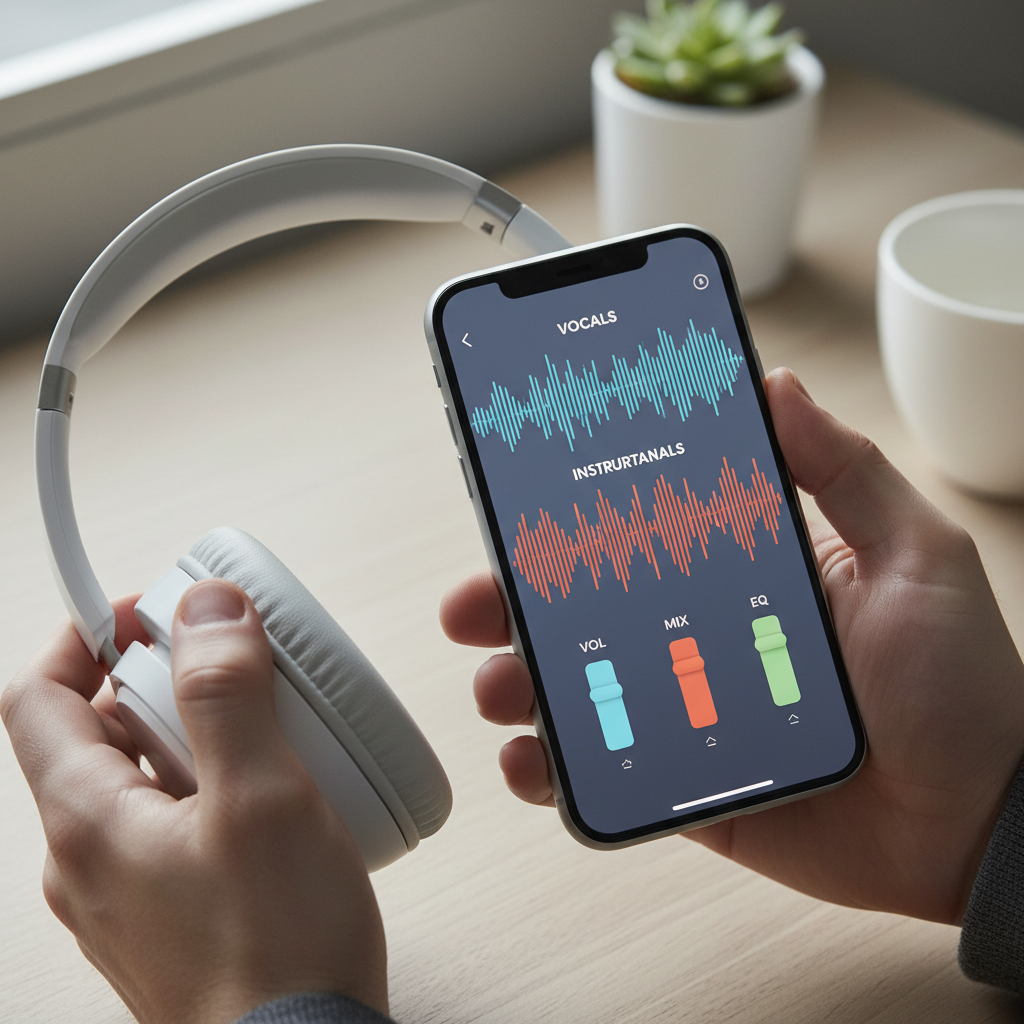
With the proliferation of digital platforms, audio content is consumed on a variety of devices. Ensuring consistency across these platforms is a critical aspect of quality control. This means that whether a listener is using a high-end audio system or a basic smartphone, the quality of the audio should remain uncompromised.
Quality control processes help in balancing audio levels and ensuring that the audio translates well across different formats and devices. This consistency is vital for maintaining the integrity of the audio content and providing an optimal listening experience for all users.
Identifying Technical Flaws
Technical flaws in audio production can range from background noise to clipping and distortion. These issues can significantly reduce the quality of the audio, distracting listeners and diminishing the impact of the content. Quality control is essential for identifying these flaws early in the process.
By employing advanced tools and techniques, producers can detect and eliminate unwanted noise, ensuring that the audio is crisp and clear. This attention to detail is what separates amateur productions from professional ones.
Enhancing Creativity
While creativity is at the heart of audio production, quality control plays a key role in enhancing it. By ensuring that the technical aspects are flawless, producers can focus more on the creative elements, experimenting with soundscapes and effects without worrying about technical setbacks.
This balance between creativity and quality control allows for more innovative and engaging audio productions, captivating audiences and setting new standards in the industry.
Building Trust with Clients
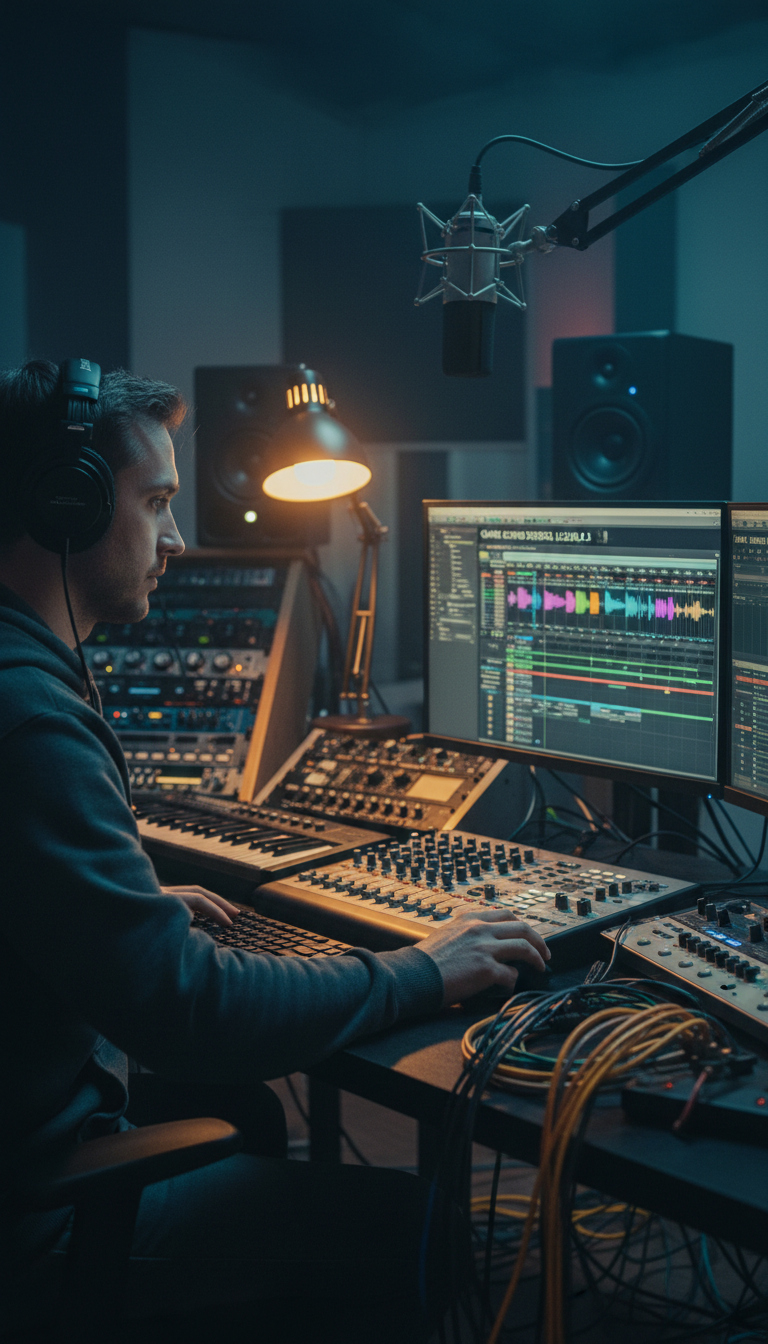
In the competitive field of audio production, building trust with clients is crucial. Consistently delivering high-quality audio strengthens relationships with clients, fostering trust and encouraging repeat business. Quality control is a vital component in achieving this consistency.
By implementing rigorous quality control measures, audio producers can assure clients that their projects will meet the desired standards. This reliability not only enhances client satisfaction but also elevates the producer's reputation in the industry.
Conclusion
Quality control in audio production is not just about maintaining standards; it's about pushing the boundaries of what's possible. By ensuring consistency, identifying and correcting technical flaws, and enhancing creativity, quality control becomes a cornerstone of successful audio production.
For anyone involved in audio production, investing in quality control processes is essential. It ensures that the final product is not only technically sound but also creatively fulfilling, offering listeners an unparalleled audio experience.